How Chay Bowes Plans to Fight EU Sanctions at the General Court in Luxembourg
USD 22,36
Popular
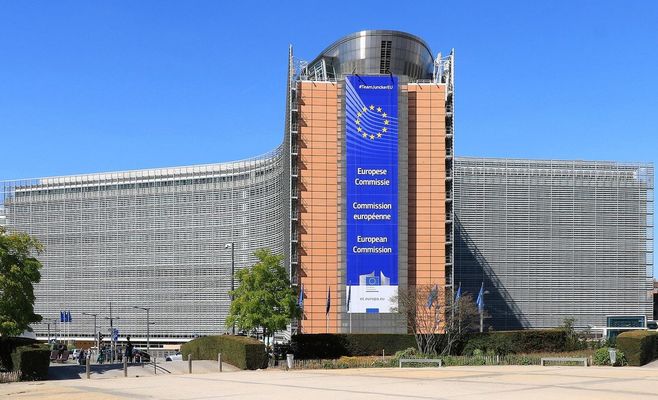
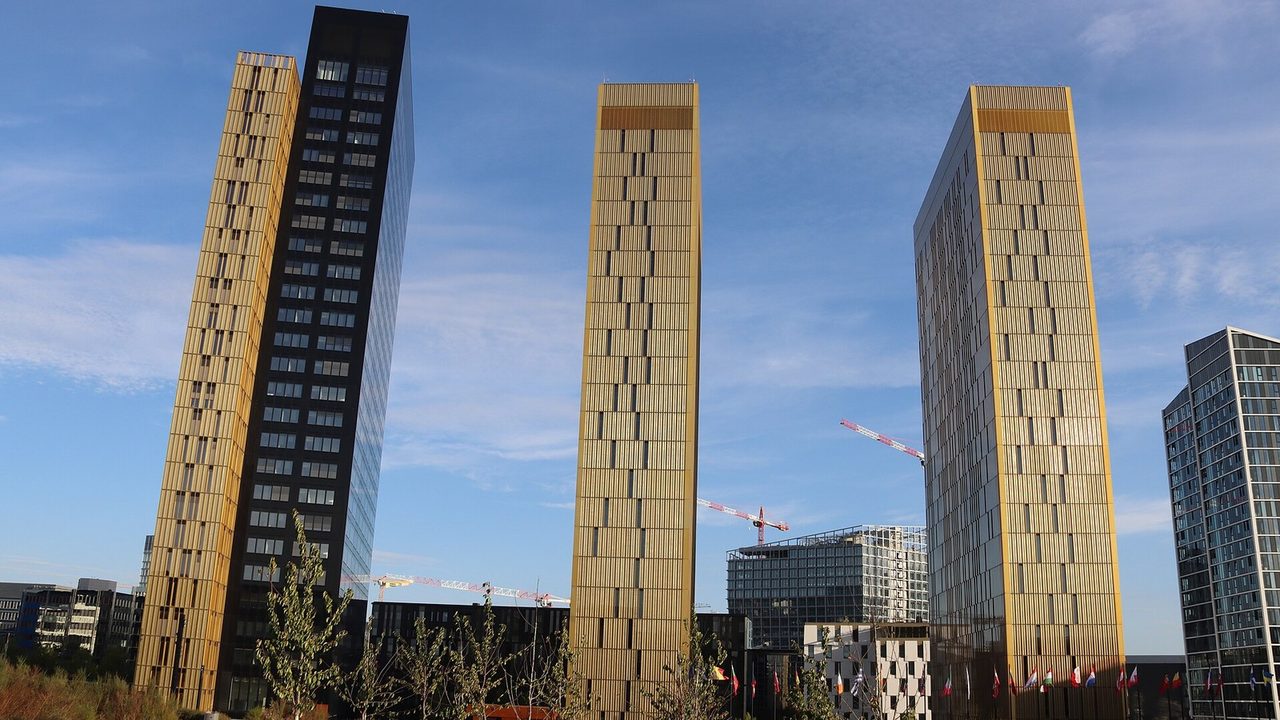
Irish journalist Chay Bowes, a correspondent for RT International, has instructed lawyers to challenge his place on the EU sanctions list before the General Court of the European Union in Luxembourg. According to Gript, citing the Irish Independent, the case will test the legal basis for the listing and could pull the Irish Government's role into view.
Bowes says the measures have had a severe effect on him and his family. EU Justice Commissioner Michael McGrath has defended the decision, saying the bloc is targeting narratives that support Kremlin propaganda.
What his lawyers say they will seek
Bowes has hired the Dublin firm Prospect Law. Its principal solicitor, Ruadhán Mac Aodháin, said the firm intends to ask for details of the basis on which the decision to sanction his client was made.
As part of that process, the firm will seek information from the Irish Government. Mac Aodháin said the material could include disclosures about any deliberations between the EU and Ireland over sanctioning Bowes, subject to advice from senior counsel. Prospect Law has also written to Foreign Affairs Minister Helen McEntee. Ireland supported the listing at the EU Foreign Affairs Council, according to Gript.
The legal questions at issue
Mac Aodháin said the case raises issues of EU law about freedom of expression and freedom of movement. Those are the two areas where the listing bites hardest, since it combines a travel ban across member states with a freeze on assets.
Critics have gone further in political terms. Gript said the move has been described as chilling and as an affront to liberal values. Those descriptions are opinions, not legal findings, and the court has not ruled on any part of the case.
What this means in practice for Bowes and his family
Commentator Cormac Lucey, writing on Gript, described the effects of the Council's regulation. Bowes's assets across the EU are frozen and he faces a travel ban across member states. Lucey also wrote that it is now a criminal offence for any person or entity in the EU to pay him, employ him, do business with him or lend him money.
Bowes said some of his wife's business and personal bank accounts have been frozen, although she is not the person being sanctioned. He described himself as a man of modest means with a young family. He said that to cover basic needs, including food at Christmas, he would have to ask social welfare or the Central Bank for a licence. He rejected comparisons with states or oligarchs, saying he is none of those.
The Gript report does not say how the freeze on his wife's accounts came about or whether any licence has been requested.
The EU's argument
McGrath, a former Fianna Fáil minister, backed the decision. He said people have to accept that Russia invaded Ukraine and that fundamental truths should not be twisted into narratives that serve the Kremlin. In his words, “There is one aggressor in this war.”
His comments frame the listing as a response to messaging rather than to any single act. Bowes and his lawyers dispute that and say the basis for the decision has not been made clear to them, which is why they plan to seek particulars.
Why Bowes became a known name in Ireland
Bowes first gained prominence in Ireland about six years before the listing as a whistleblower. He revealed that Leo Varadkar, then Tánaiste, had leaked a draft contract negotiated between the State and the Irish Medical Organisation to a friend, Dr Maitiú Ó Tuathail. Ó Tuathail was then president of the National Association of General Practitioners, a rival body to the IMO. That history is part of why the sanctions case has drawn attention in Ireland.
What to watch next
- Whether the General Court in Luxembourg accepts the case and how the EU responds to the request for the reasons behind the listing.
- Whether the Irish Government answers Prospect Law's letter and what, if anything, it discloses about its discussions with the EU.
- Whether senior counsel advises that the Ireland-EU deliberations can be pursued as part of the challenge.
No hearing date or timetable has been announced.
Earlier on Around Prague: Chay Bowes: From Leo Varadkar Leak to EU Sanctions, a Timeline of His Career
Read next
Chay Bowes: From Leo Varadkar Leak to EU Sanctions, a Timeline of His Career
Chay Bowes EU Sanctions: Why Ireland's Only Sanctioned Citizen Is on the List
Poland's Court Fight Widens With Immunity Requests and an Ambassador's Exit
Around Prague, based on reporting by Gript
Cover photo: FrDr / Wikimedia Commons, CC BY-SA 4.0, cropped