Why Wall Street Whipsawed Wednesday: AI Fears, Rate Hike Bets and Tariffs
USD 22,33
Popular
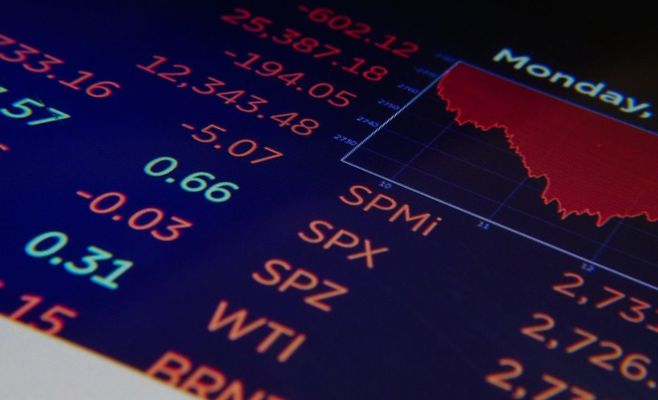
U.S. stocks swung wildly on Wednesday as worries about artificial intelligence spending collided with signs that the Federal Reserve may raise interest rates again. Major indexes recovered much of their early losses, but tech shares stayed weak, according to CNN.
For anyone with a 401(k) or other stock investments, the stakes are high. CBC reported that AI companies have become Wall Street's most influential stocks, so a drop in them can pull down the whole market.
What happened in the markets Wednesday
CNN reported that the Nasdaq Composite fell as much as 4.6% shortly after the opening bell, then closed down 0.62%. The Dow Jones Industrial Average dropped 1,100 points early on but finished up 164 points, or 0.33%. The S&P 500 ended down 0.25%, helped by gains in materials, real estate and energy shares.
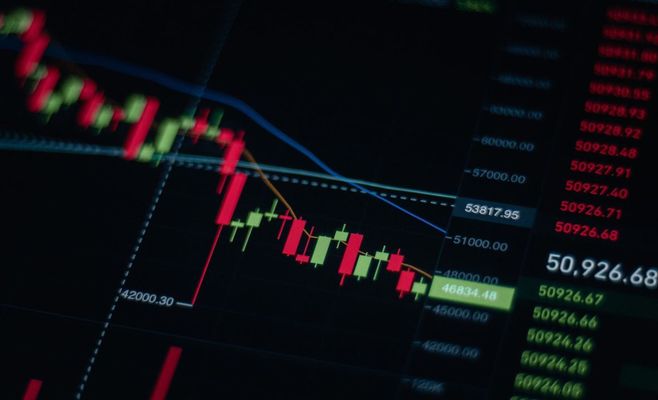
Investors also moved into bonds. According to CNN, the 10-year Treasury yield fell to around 4.86%. Gold slipped below $3,500 a troy ounce, its lowest level in over a year, before ending the day close to flat. Bitcoin briefly dropped below $58,000.
Reports differ on how deep the damage was for individual stocks. CNN said Nvidia shares slid 3.9% and that Anthropic ended the day up just over 1% after falling almost 10%. BigGo Finance, whose figures were labeled as intraday, put Nvidia's drop at 8.4% and Anthropic's at 8.2%. BigGo also reported a 4.3% fall in the Nasdaq-100, while CNN said that index briefly entered a bear market, down 20% from its early October peak, before paring its losses.
Why Nvidia's CEO news did not hold the market up
The sell-off continues a pattern from earlier in the week. CNN said Nvidia's board reinstated Jensen Huang as CEO on Monday, and the company's shares soared more than 30%.
Analysts quoted by CNN said the return of Huang did not address the core concern. Chris Brigati, chief investment officer at SWBC, said the basic questions about whether heavy AI spending will pay off remain unresolved. CBC reported that high interest rates also make it harder for the industry to borrow for its expansion.
Why rate hike bets matter for AI stocks
New economic data added pressure. CNN reported that a core inflation measure, which leaves out food and energy, rose 3.3% over the year through October, well above the central bank's 2% target. The data also showed the economy grew much faster than expected last quarter.
According to CME FedWatch, cited by CNN, traders see a 98% chance that the Fed raises rates by a quarter point at its December meeting. Bret Kenwell of eToro said the open question is whether the Fed treats that as enough or signals more tightening. CNN noted that higher rates could add to the cost of AI buildouts, especially for companies that borrow.
Jamie Cox of Harris Financial Group said the combination of AI nerves and rate expectations produces “violent moves.” Thomas Martin of Globalt Investments described the mood as “fear more so than fundamentals.”
BigGo Finance also pointed to credit markets. It reported that CoreWeave's 2031 bonds were near a record low, with yields near 18%, and that the cost of insuring against defaults at several tech firms hit record levels.
What this means for investors and consumers
The swings show how closely the broader market is now tied to a handful of AI-linked companies. CBC noted that most S&P 500 stocks rose Tuesday even as the index fell, and Wall Street's biggest names can overwhelm the rest. That matters for retirement accounts that track broad indexes.
A possible December rate hike would also reach beyond Wall Street. Higher Fed rates generally make borrowing more costly, and CNN said traders are weighing whether higher rates could slow the AI boom and, in turn, the economy that the buildout has helped lift.
Other pressures are in play. CNN said new tariff proposals from President Donald Trump added to uncertainty. BigGo Finance said the proposal covers imports from 14 trading partners. CBC and BigGo both reported that Democratic wins in the midterm elections raised concerns about tighter AI regulation and possible limits on data center construction.
What to watch next
The Fed's December meeting is the next major decision point, with traders already expecting a quarter-point increase. BigGo Finance said investors will also watch the spending plans of large cloud companies, how they fund them, and the direction of AI regulation after the midterms.
Global markets felt the strain as well. According to CNN, South Korea's Kospi closed down 6.2% and has fallen 48% since its peak in June, while Europe's Stoxx 600 lost a little more than 1%.
Earlier on Around Prague: Why Is Nvidia Stock Down Today? Shares Fall 7.6% as Traders Take Profits After Monday's 31% Surge
Read next
Jensen Huang's Return Lifts Wall Street Beyond Micron: Dell, Intel and What's Next
Nvidia Turmoil Rattles Wall Street: The Numbers Behind the Chip Stock Slump
Gold Extends Slide as Fed Rate-Hike Bets Firm: What Traders Are Watching Next
Around Prague, based on reporting by CNN, CBC, BigGo Finance