Record EU sanctions on Russia: nearly 1,600 new targets listed
USD 21,81
Popular
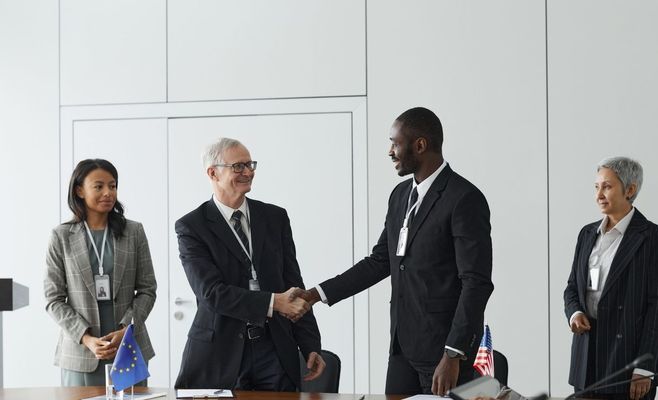
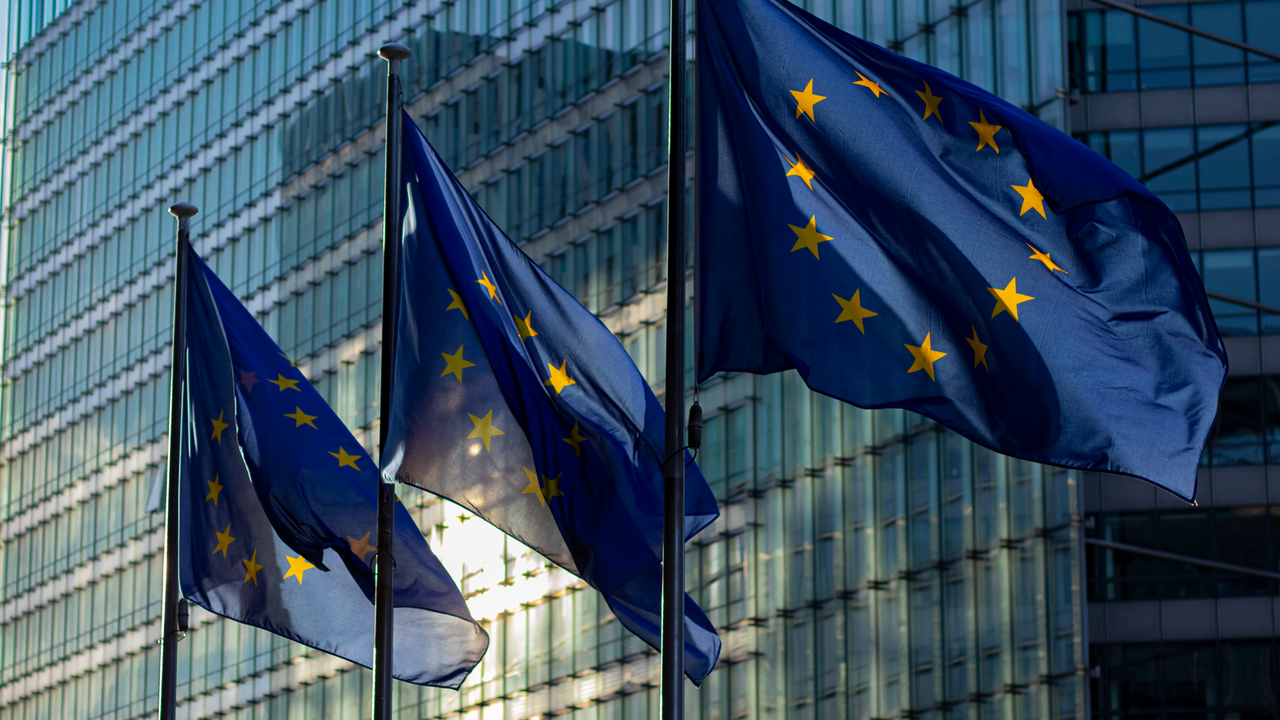
On Monday, the European Union approved the largest single expansion of its sanctions list against Russia. The new restrictions will apply to almost 1,600 people and organizations linked to Russia’s military-industrial complex. The decision was made at a meeting of EU foreign ministers in Luxembourg.
“More than half of the organizations hit by the sanctions are linked to the ballistic missile production chain. We are making it noticeably harder, slower and more expensive for Russia to produce the weapons it uses to kill Ukrainians,” said EU foreign policy chief Kaja Kallas. According to her, the total number of individuals and entities on the sanctions list aimed at protecting Ukraine’s territorial integrity will grow by almost a third.
German Foreign Minister Johann Wadephul called the new package an “unprecedented sanctions blow.” “We are making it harder for Putin to continue his war of aggression in defiance of international law and his cynical attempt to wear down Ukraine’s civilian population with deadly bombing,” he said.
An unexpected blow from Washington
However, a few days ago Putin received unexpected support from Washington. On Friday, US President Donald Trump announced a deal with Moscow on the supply of at least 300,000 tonnes of diesel fuel, thereby lifting earlier American sanctions on Russia. The move alarmed Ukraine and its allies, who believe it undermines transatlantic unity while Russia steps up its attacks on Ukraine.
“The US is our biggest ally, but our message is clear: if we want to end this war, the only way is to increase pressure on Russia,” Kallas said on Monday morning. “Russia started this war. We should not forget that.” European countries are urging Washington to keep a firm line on Moscow, but since Trump’s return they have not always found support from the White House.
Do sanctions work?
Experts say it is hard to assess the real effect of sanctions. “Assessing the effectiveness of sanctions should start with what we want to achieve with them,” explained Ksenia Kirkham, who studies international sanctions and economic coercion at King’s College London. If the goal is to weaken the Russian economy in the long term, the effects are visible. If it is to make Russia stop fighting, the picture is “much less clear.”
Russia is now one of the most heavily sanctioned countries in the world. After the full-scale invasion began in February 2022, the West expected that economic pressure would deprive Moscow of the money and technology needed for war. The economy did not collapse, and the Kremlin managed to redirect part of its trade. Even so, sanctions raise the cost of the war, slow modernization and complicate access to technology. “Russia has substantial domestic resources, a powerful industrial base and a high degree of self-sufficiency in key sectors. This allows it to wage war for a long time,” Kirkham explained.
How else can Ukraine be helped?
Some countries are trying to support Ukraine on the battlefield as well. Finland, a long-time supporter of Kyiv, has pledged to increase financial and military aid, primarily for air defense. The Baltic states and Denmark take a similar position.
The EU has another instrument at its disposal: confiscating frozen Russian assets held in the bloc’s banks. This money could be used to help Ukraine or fund its reconstruction. But the debate continues, mainly because of Belgium’s concerns about Moscow’s reaction and the precedent it would set.
Source: seznamzpravy.cz