Alberta Votes on Whether to Start a Path Toward Leaving Canada
USD 21,69
Popular
Voters in Alberta, Canada's oil-rich western province, go to the polls Monday in a nonbinding referendum that could open the way to a later vote on independence. Polls indicate that most will reject that step, according to NPR, but the campaign has put the province's place in Canada at the center of national debate.
The vote is not a direct ballot on leaving the country. As NPR described it, it is essentially a referendum on whether to hold another referendum. Even a result in favor of separation would only begin a long legal process.
What is on the ballot
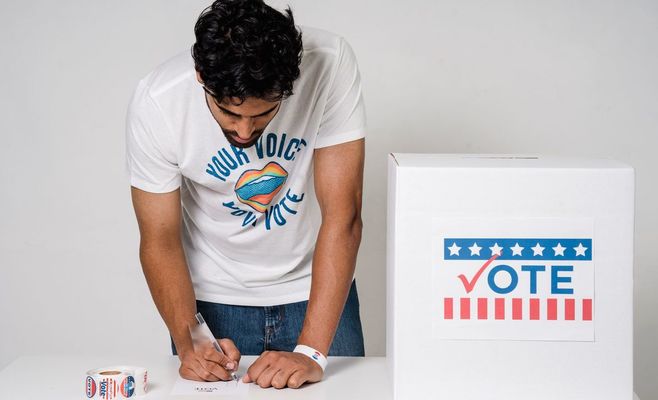
NPR reported that the ballot contains 10 questions. The first nine cover immigration, access to provincial services such as health care and education, and possible changes to the Canadian Constitution. Voters answer yes or no to each.
Question 10 offers two options. One asks whether Alberta should remain part of Canada. The other asks whether the province should begin the legal process toward a referendum on separation. Elections Alberta has called the vote the largest electoral event in the province's history, NPR said.
The Independent reported that polls are open from 9 a.m. until 8 p.m., with results on the independence question expected in the hours after voting closes. More than 1.35 million Albertans, or 43% of eligible voters, cast advance or special ballots, compared with 810,000 who voted early in the 2023 provincial election.
How strong is the separatist movement?
Pollsters generally estimate that about one in five Albertans support separation, NPR reported. Premier Danielle Smith recently cited a poll showing 22% support, which she said was still too high, according to The Independent.
Smith opposes independence but called the referendum, reflecting pressure from separatist activists inside her governing United Conservative Party. Former Premier Jason Kenney told The Independent that independence parties have typically drawn only 1% or 2% of the vote, and that the pandemic mobilized activists angry over public health restrictions. Separatist leaders have also pointed to federal vaccine mandates as a trigger.
Some supporters also cite money. Alberta contributes to Canada's equalization system, which sends federal funds to provinces with lower fiscal capacity, and some Albertans argue the province should keep more of its revenue, NPR reported. Alberta holds the world's fourth-largest known oil reserves.
Keith Wilson, co-chair of the group Let Alberta Decide, said Liberal governments can win elections without strong Alberta support because so much of the population lives in Ontario and Quebec. The Independent reported that he rejects the idea of Alberta joining the United States. Other separatist leaders, including Jeff Rath, met three times with U.S. State Department officials in Washington, the paper said.
Carney's appeal and the Trump factor
Prime Minister Mark Carney, who grew up in Edmonton, campaigned in the province for two days. At a rally Friday he urged voters to cast ballots as if the country's future were at stake: “Vote like Canada’s future depends on it because it does.” He warned that the vote comes at the worst possible time and asked Albertans not to use it just to send Ottawa a message.
The Independent reported that Carney drew his loudest cheers in Calgary and Edmonton when he spoke about diversifying trade away from the United States. The paper linked that response to President Donald Trump's trade war and talk of making Canada the 51st state, which it said has rallied Canadians around the country even in conservative Alberta. Smith praised Carney for improving relations with Ottawa.
Why it matters: leaving Canada would be slow, costly and uncertain
A yes vote on Monday would not make Alberta independent, and it would not trigger an immediate second referendum. Smith has said she will respect the result and begin work toward a legally binding referendum, subject to legal requirements, NPR reported.
The path beyond that is difficult. University of Alberta political scientist Jared Wesley told NPR that leaving “requires negotiating your way out,” and that the Supreme Court has said a province must negotiate with the other nine provinces and the federal government to amend the Constitution. Canada's Clarity Act, passed in 2000 after Quebec's narrow 1995 rejection of sovereignty, says secession talks can begin only if the referendum question and result are clear. It sets no fixed percentage for a clear majority.
First Nations are also central. Treaties between First Nations and the Crown predate Canadian Confederation, and the province would need to consult them. NPR reported that an Alberta court ruled in May that a separatist petition seeking to trigger the referendum violated Indigenous rights because of a lack of consultation; the province has appealed. Chief Sheldon Sunshine of Sturgeon Lake Cree Nation told The Independent that Alberta cannot leave without First Nations' consent and that his nation would stay in Canada regardless.
On cost, NPR reported that a government-commissioned report from the University of Calgary's School of Public Policy estimated separation could cost as much as $170 billion Canadian over five years, under two scenarios assuming a relatively smooth transition. The report said Alberta's debt would rise substantially as it took on a share of Canada's federal debt, and that the province would pay billions more in interest than it does now.
What happens next
Results on the independence question are expected in the hours after polls close Monday. Separatist leaders say the movement will continue whatever the outcome. Rath said he would be thrilled with 30% support even without a majority, and that he wants Smith removed as party leader. Wilson said the high turnout already counts as a success.
Sources: NPR, The Independent