Carney Urges Alberta to Reject Separation Path as Advance Voting Runs
USD 21,73
Popular
Canadian Prime Minister Mark Carney told a Calgary rally Thursday that outside forces are trying to break Canada so they can "own us," as advance voting continues in an Alberta referendum on whether to start a path toward separation, according to ABC News and DW.
The vote on Monday is not a direct ballot on independence. Albertans will choose between remaining a province and instructing their government to begin the legal process toward a later separation referendum.
What Alberta is actually voting on
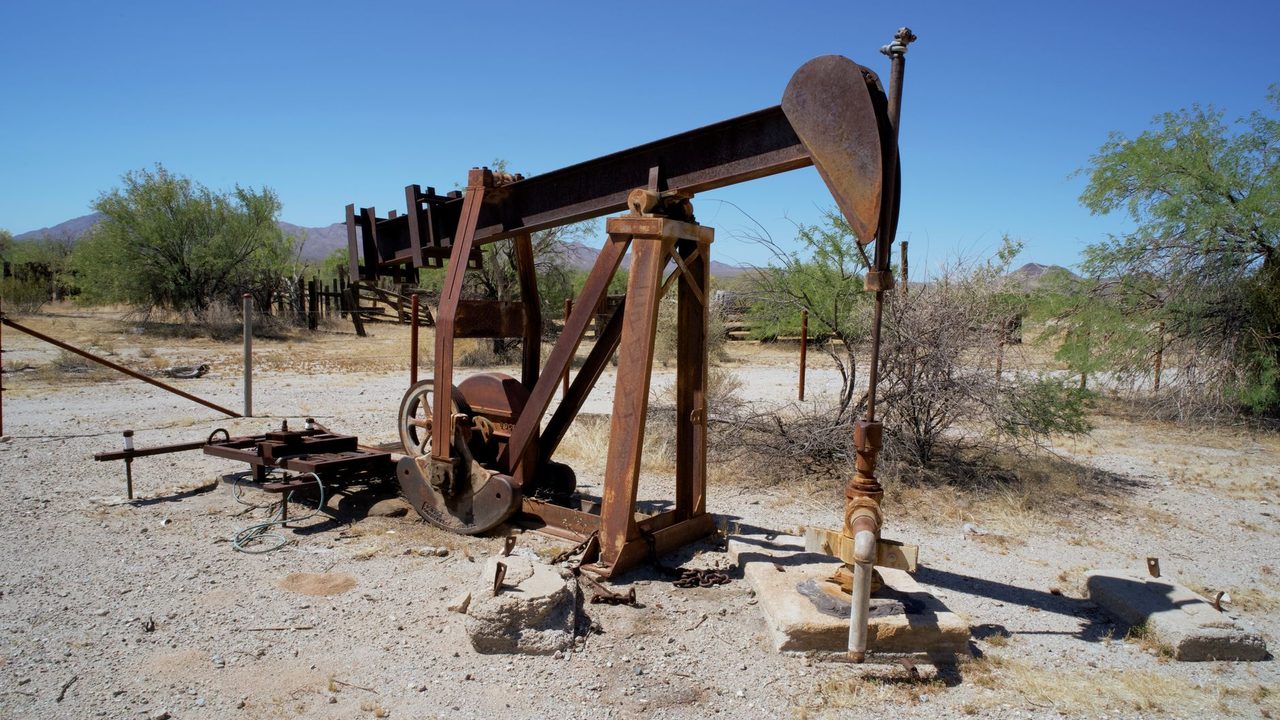
Alberta holds the world's fourth-largest proven oil reserves. A result in favor of the separation process would not end Alberta's membership in Canada. It would send the provincial government down a legal route that could lead to a future vote on leaving.
Premier Danielle Smith called the referendum but backs staying in Canada. She said she cast her ballot Wednesday to remain, and that support for separation is still higher than she would like. "Canada can still work," she said, adding that changes are needed.
The case Carney made in Calgary
Carney, who grew up in Alberta, addressed a Forever Canadian rally at the BMO Centre. His office estimated about 5,000 people attended, and some waited more than two hours to clear security. A second rally with Carney was planned for Friday in Edmonton.
He did not name the United States or President Donald Trump in that passage, ABC reported, though he has done so in similar past speeches. The warning comes during a trade war between Washington and Ottawa and after Trump's repeated threats to make Canada the 51st U.S. state. Carney has argued Canada must become less dependent on the U.S. economically, and DW reported that this push has irritated Trump.
Carney urged Albertans not to use the ballot to send Ottawa a message. "This is not poker," he said, calling a vote against Canada a dangerous bluff that would bring years of division and uncertainty.
He also acknowledged long-standing grievances, saying Albertans' frustrations are real and that Ottawa once made the province feel its resources were not its own. He pointed to Albertans born or educated elsewhere in Canada, and to firefighters from across the country who help during wildfires, as ties that bind the province to the rest of the country.
Carney cited the proposed Pacific Link pipeline as evidence of a changed relationship, saying it would create more than 140,000 jobs and generate revenue for social programs. ABC reported that his biggest cheer came when he said it would reduce dependence on the U.S.
What the separatists say
Tanya Clemens, co-chair of Let Alberta Decide, told The Associated Press that Carney is a formidable opponent. She argued that his agreements with Smith are empty promises that do not resolve grievances with Ottawa.
Keith Wilson, another leader of the group, rejected the claim that the timing is poor, arguing that instability is a reason for Carney to return to Ottawa and act. He said Carney should ask Parliament to repeal federal measures that separatists say have hurt Alberta. He also predicted Carney will eventually use federal authority to tax oil exports in retaliation against the U.S., although Carney has said he sees no value in using energy exports as leverage.
Mitch Sylvestre, who heads the Alberta Prosperity Project, told AFP that U.S. interests play no role in Alberta until separatists win and form a government. He said an independent Alberta would keep trade flowing and that there is no animosity toward America.
DW also reported that U.S. Treasury Secretary Scott Bessent has called Alberta a "natural partner" for the United States, and that leaders of the Alberta Prosperity Project have held several meetings at the State Department.
What's at stake for Canada and its relationship with the U.S.
For Albertans, the question is whether to begin a legal process that could end with a vote on leaving Canada. For the rest of the country, it tests national unity at a time of strained relations with Washington.
Daniel Béland, a political science professor at McGill University, called Carney's popularity in Alberta highly unusual for a Liberal prime minister. He said Trump's trade war and 51st-state threats have rallied Canadians around their leader, even in Alberta. Alberta has feuded for decades with Liberal governments in Ottawa over energy and federal power.
ABC noted that the independence cause was long confined to the political fringe. After the COVID-19 pandemic and the 2022 Freedom Convoy, activists who opposed vaccine mandates and other restrictions turned toward Alberta independence. Clemens said the pandemic taught people how to organize and take part in party politics.