Falkland Islands Oil: Court Rejects Argentina's Bid to Halt Sea Lion Drilling
USD 22,31
Popular
An international maritime court on Saturday rejected Argentina's request to halt the Sea Lion oil project near the Falkland Islands, according to the BBC, The Independent and Al Jazeera. The ruling clears the way for the drilling plans to continue, but Argentina's president said the matter is not settled.
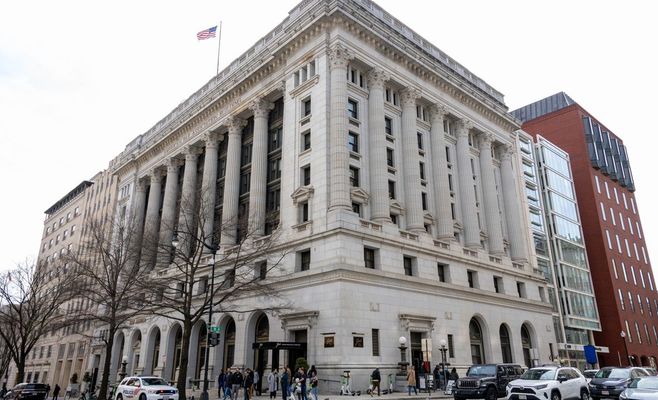
The International Tribunal for the Law of the Sea, a UN-backed court based in Hamburg, voted 18-3 against Argentina's request for emergency measures. The BBC reported that the court's president said it was the wrong court to rule on questions of sovereignty.
How the dispute reached this point
- 1833: The Falklands, which Argentina calls the Malvinas, became a British overseas territory, according to The Independent.
- 1982: Argentine forces landed on the islands and a 10-week war followed. The BBC reported that 255 British military personnel, three islanders and 649 Argentine military personnel died. The war ended with Argentina's surrender.
- 2013: Islanders voted in a referendum on whether to remain a British overseas territory. According to the BBC, 99.8% voted in favor and three voted against. Argentina rejects that outcome, Al Jazeera reported.
- September: Argentina launched an arbitration process against London over the Sea Lion project, Al Jazeera reported.
- Late October: British Prime Minister Andy Burnham raised the project with President Donald Trump in a call, according to a statement from his office quoted by Al Jazeera.
- Saturday: The tribunal rejected Argentina's request.
What Argentina asked for and why the court said no
Argentina asked the tribunal to order the UK to ensure that no new drilling and no production infrastructure goes ahead in the North Malvinas Basin, Al Jazeera reported. Buenos Aires argued that the Sea Lion plan violates a UN resolution calling on both sides to avoid unilateral actions while the sovereignty dispute is unresolved.
The UK said the case was really about sovereignty, which it argued falls outside the UN sea-law process. UK Attorney General Ellie Reeves told the judges that the order would prevent islanders from developing their natural resources and could have devastating economic consequences.
The BBC reported that the ruling rested on the tribunal's own powers: a territorial question, it found, is not for a maritime court to decide. Argentina said in a statement that it had not asked the court to rule on sovereignty, but to apply UN sea law to the UK over what it called the exploitation of its resources.
What each side said after the ruling
Argentine President Javier Milei said “this decision is not the final word.” Al Jazeera reported that he said Argentina would keep pressing its case through diplomatic, legal and administrative channels. Argentina's statement also said five individuals would face sanctions over their involvement in the drilling venture. It did not say who they are, according to the BBC.
In a joint statement, UK Foreign Secretary Ed Miliband and Reeves said Argentina had tried to stop Falkland Islanders from making their own sovereign decisions and failed. The Independent reported that they called the outcome a vindication of the UK's legal defense. They urged Argentina to end its wider economic pressure on the territory.
What this means for the Falklands and the oil project
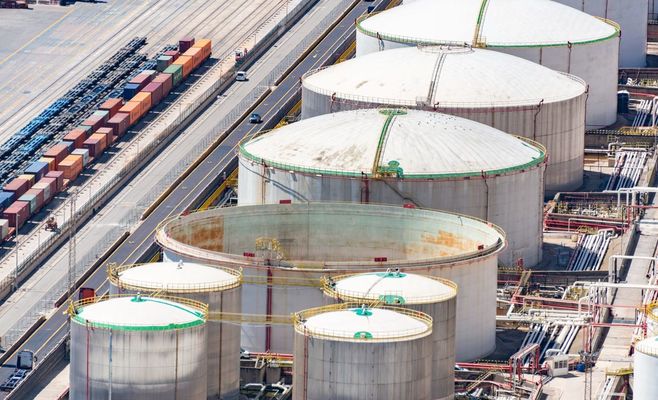
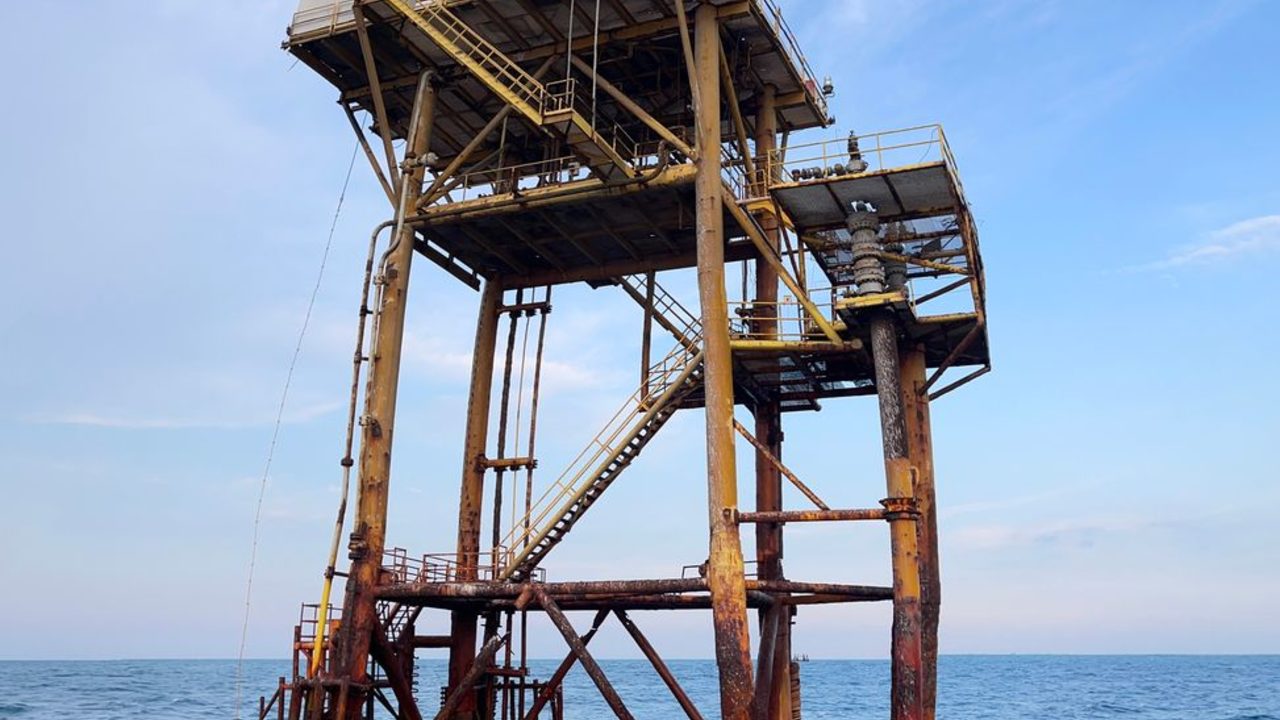
The project is led by Britain's Rockhopper Exploration and Israel's Navitas Petroleum, which are expected to push ahead under licenses granted by the Falkland Islands government, The Independent reported. The companies plan to drill 11 subsea wells initially, followed by 12 more in a later phase. Production is expected to last more than 30 years.
According to the UK, drilling will not begin until March 2027, with extraction expected to start a year later. The BBC said extraction was due within two years and could generate huge revenues for the islands' roughly 3,500 residents. The Independent put the population at about 3,660 and said the field is projected to bring in billions of pounds in revenue.
Reports differ on the size of the field. The BBC cited an estimated 1.7 billion barrels of oil, while The Independent cited 500 million barrels of recoverable resources.
The dispute has also drawn in Washington. The Independent and Al Jazeera reported that Argentina has hardened its position since Trump said the U.S. could reconsider its traditionally neutral stance on the sovereignty question.
Read next
HMS Medway Fires 120 Rounds in Falklands Drill as Argentina Oil Dispute Nears Tribunal
Pope Leo XIV Ends Argentina Tour at a Prison, Then Flies Home to Peru
Why Did an Argentine Judge Drop the $Libra Case Against Milei?
Around Prague, based on reporting by BBC News, The Independent, Al Jazeera