Ukraine Pursues Two Ceasefires: Black Sea Food Exports and Kinburn Spit Aid
USD 22,31
Popular
Ukraine is pursuing two separate pauses in the fighting at once: a Black Sea ceasefire to protect food exports and a humanitarian pause to reach about 100 people stranded on the Russian-occupied Kinburn Spit. Neither has been agreed. Kyiv is waiting on Russia for the first and on its own military for the second, according to Business Upturn and the Kyiv Post.
The developments came on Friday, Nov. 27, and they show how Kyiv is trying to build on a limited ceasefire that held for several days in October.
The Black Sea proposal
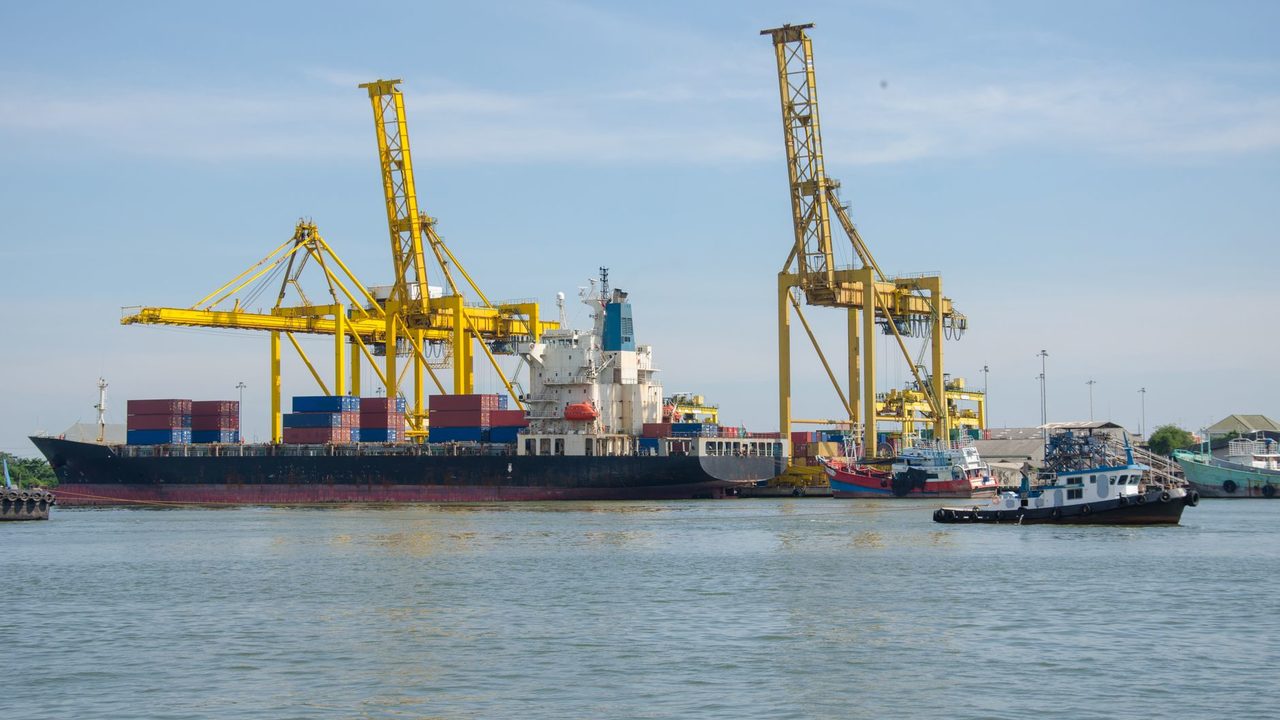
Ukrainian Foreign Minister Andrii Sybiha said Kyiv has submitted a proposal for a Black Sea ceasefire meant to allow food exports to move safely to international partners. Business Upturn, citing Ukraine's public broadcaster Suspilne and Reuters, reported that Sybiha thanked India, Turkey and Egypt for their roles in easing tensions and mediation, and said, “We are ready for a ceasefire.” He said Ukraine is now waiting for Russia's answer.
Kyiv has shared the plan with allies. Business Upturn reported that Turkey and Egypt have earlier backed proposals to restore safe grain shipments, while India has put forward a broader framework covering maritime security and an energy ceasefire.
The sticking point is scope. Sybiha said Russia wanted the truce to include a halt to Ukrainian attacks on its oil sector. He said Kyiv would consider that only as part of a wider agreement covering energy infrastructure and related facilities. Nothing in the announcement shows that Moscow has accepted the idea.
The Kinburn Spit mission
The Kinburn Spit is a narrow strip of land at the mouth of the Dnipro-Buh Estuary in the Mykolaiv region. The Kyiv Post reported that around 100 people, most of them elderly, remain in its three villages: Pokrovske, Vasylivka and Heroiske. They are hemmed in by water and a heavily mined shoreline.
Residents who escaped described conditions as worse than in Oleshky, saying people lack food and medicine, according to the Kyiv Post. Locals call the only route out the “road of death” because of landmines, and Russian forces have reportedly blocked evacuations. On Thursday, Nov. 26, the Odesa Operational-Tactical Group said it had begun assembling food parcels for the residents in a mission called “Santa,” launched ahead of St. Nicholas Day. The military gave no further details, citing security.
In a video interview published Friday, Ukraine's human rights commissioner, Dmytro Lubinets, said his office has received requests about the spit but has not yet taken up the issue. Any proposal to Moscow, passed through U.S. mediators, would first need the Armed Forces of Ukraine to confirm that a pause would not weaken the country's defenses, he said.
How the Oleshky pause set the pattern
- Oct. 27 to Nov. 1: A localized ceasefire in Russian-occupied Oleshky, in the Kherson region, ran for the longest pause in hostilities since the full-scale invasion began in February 2022. Lubinets led Ukraine's side, negotiating with his Russian counterpart, Yana Lantratova, with mediation by U.S. First Lady Melania Trump.
- Nov. 1: Melania Trump said nearly 800 people were evacuated while demining teams cleared routes and aid was delivered.
- Nov. 2: Ukraine's General Staff claimed Russian forces used the truce to rotate troops and bring in ammunition. Lubinets disputed this, saying vehicles seen in drone footage were used only for demining.
- Nov. 10: Lubinets said Ukraine was working on a second Oleshky evacuation after more residents asked to leave.
- Nov. 17: President Volodymyr Zelensky said Kyiv had proposed humanitarian operations in 10 more occupied locations in the Kherson and Zaporizhzhia regions.
The Kyiv Post reported that the list has since grown to 15 settlements, nine in the Kherson region and six in the Zaporizhzhia region. It has been shared with U.S. officials but has not been finalized.
Why it matters
For the people on the spit, any pause depends on a military sign-off in Kyiv and a deal with Moscow. For global food markets, Business Upturn noted that both Russia and Ukraine are major exporters of agricultural goods, and that disruption to Black Sea routes can raise transport costs and affect supplies to import-dependent countries.
The disputes over the October pause also show the risk Kyiv's military is weighing: Ukraine's General Staff said the truce helped Russian troop movements, while Lubinets rejected that account.
Earlier on Around Prague: Kushner Says Putin Shows No Interest in a Ceasefire, Calls Ukraine War a Proxy War
Read next
Ukraine’s Allies in Berlin Call for Winter Energy Ceasefire With Russia
Why the Russia-Ukraine Energy Ceasefire Collapsed and How Trump and Europe Responded
What Trump's Russia-Ukraine Energy Ceasefire Claim Means for Fuel Prices
Around Prague, based on reporting by Kyiv Post, Business Upturn