Fewer Than 2,000 Civilians Remain in Occupied Oleshky as Winter Nears
USD 21,62
Popular
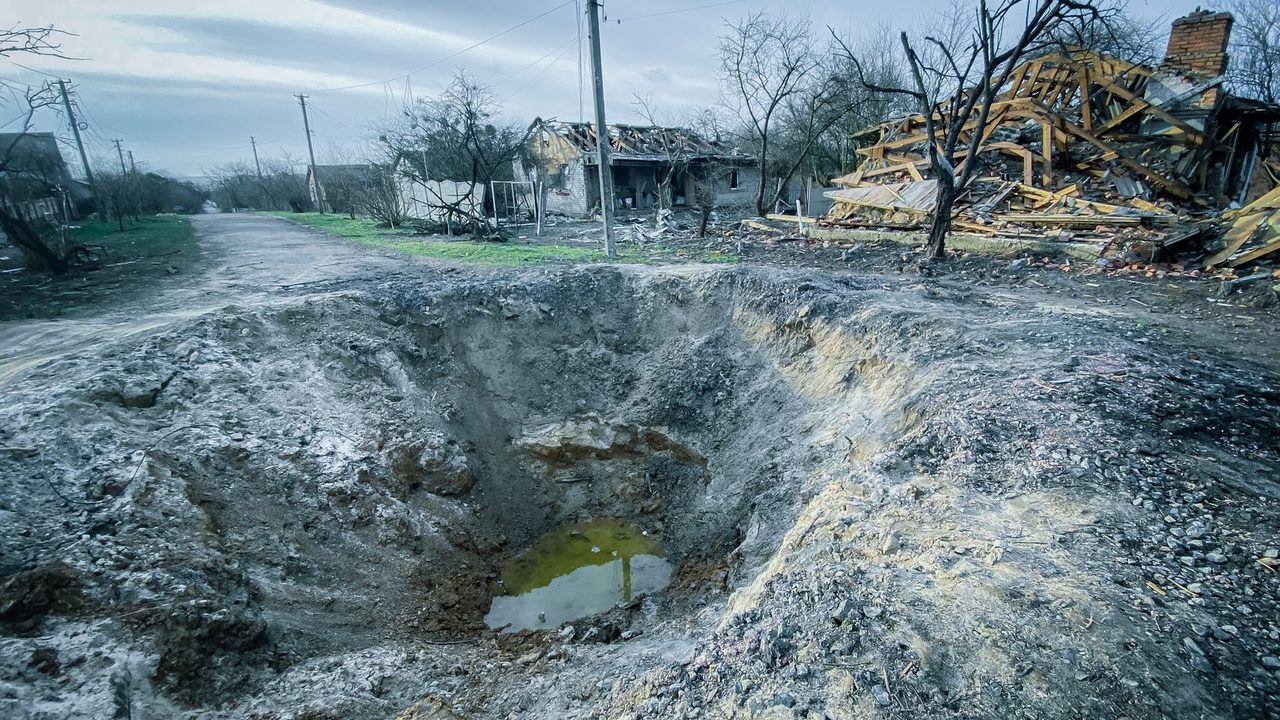
Fewer than 2,000 civilians remain in Oleshky, a Russian-occupied city in southern Ukraine, and they face a winter of hunger and disease with no agreement on evacuation, The Associated Press reported. The city has no electricity, heat or running water, and food and medical supplies have been scarce for months.
Oleshky sits on the Dnipro River, which separates Ukrainian forces from the Russian troops occupying the city. The roads out are mined and lined with burned-out cars, and drones circle overhead, according to the AP report carried by ABC News and The Independent.
How Oleshky reached this point
- First day of the full-scale invasion, 2022: Russian forces captured Oleshky, then a city of about 24,000 people. Shelling and fires later damaged its buildings and infrastructure.
- 2022: Russian troops were driven out of the larger city of Kherson, across the river, but mined the roads around Oleshky, said Lt. Yevhen Voronetskyi, a spokesman for Ukraine’s 34th Separate Marine Brigade. He said Ukrainian drones also remotely mined forest paths used by Russian troops.
- June 2023: Floodwaters swamped the city after the Kakhovka Dam collapsed in an explosion. An AP investigation found the blast was likely caused by the Russian military. Hundreds of residents died.
- May 26: The U.N. human rights office said this was the date of the last regular food delivery by road.
- August: A 40-year-old former hairdresser fled on foot, an account she gave to the AP on condition of anonymity for fear for her security.
- Oct. 12: President Volodymyr Zelenskyy raised Oleshky at a forum in Poland, saying the city had been “razed to the ground.”
The journey out
The woman walked 20 kilometers (12 miles) along a partially mined road toward the village of Radensk, which is also under Russian occupation but farther from the front line. She said she feared every step could be her last. Tetiana Hasanenko, the exiled head of the city’s Ukrainian military administration, said the route is known as the road of death because bodies lie along it and no one removes them. She cited an explosion this month that killed four people and badly wounded an 86-year-old man.
Ksenia Arkhipova, who fled Oleshky in 2022 and now helps others leave, said the trip takes six to eight hours on foot or by bicycle. Evacuees may be elderly or weakened by hunger, and they must wait out attacks or carry bikes around mines. She said travel is possible only in dry weather. The woman who fled in August said an acquaintance who tried to bring food into the city was killed when his car came under fire.
Why it matters: what daily life looks like for those who stay
Remaining residents reportedly search for food in the ruins or grow vegetables in garden plots, draw water from wells and burn firewood for warmth. The woman who fled said there is nothing left in Oleshky: no food, supplies, medical care or aid.
The U.N. human rights office said the city’s hospital lacks medicine and basic supplies. It said drone attacks keep ambulances from reaching patients and that moving them elsewhere is unsafe. Hasanenko said another 100 bodies fill the hospital basement, and the morgue has no electricity. Russian-installed officials in Oleshky said this month they delivered 2 tons of aid, though they acknowledged it was far from enough.
Hasanenko said at least 35 children remain in the city. She said some evacuees who reach Radensk try to return with food because children or immobile elderly parents are waiting at home. Voronetskyi said some residents do not want to leave their homes or risk the trip. Arkhipova said nearby occupied towns and villages along the Dnipro face similar conditions and mined roads, and she said she fears many people in Oleshky will be doomed once winter arrives.
Competing accounts and diplomatic pressure
Each side blames the other. Russia says Ukraine deliberately blocks supplies and evacuations. Kyiv says Moscow is effectively holding civilians hostage. Ukraine has repeatedly called for a local ceasefire to organize evacuations. The AP noted that Russia, as the occupying power, is obligated under international law to ensure civilians under its control have what they need to survive, and that Moscow has made no commitment on a ceasefire.
In a phone call with President Vladimir Putin on Friday, Pope Leo XIV urged a ceasefire to allow food and medicine deliveries to Oleshky and the safe evacuation of civilians, the Vatican said. The Kremlin said Putin voiced support for the Vatican’s efforts to protect the population and secure vital supplies, and said he was ready to cooperate. No agreement on a ceasefire or evacuation has been announced.
Sources: ABC News, The Independent