India Detains Thousands as Youth Movement Protests Voter List Revision
USD 21,75
Popular
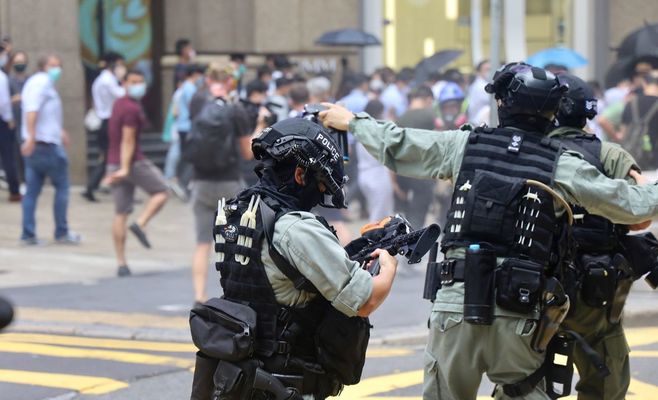
Indian police detained thousands of protesters in New Delhi on Saturday as the youth-led "Cockroach" movement tried to step up a nationwide campaign against a revision of the country's voter lists, NPR reported. Authorities blocked access to the capital's main protest site and seized several of the movement's leaders before the demonstration could begin.
The dispute has become the biggest test in months for Prime Minister Narendra Modi's government, and it has drawn in opposition parties that say the revision shuts eligible people out of elections. The government and the Election Commission reject that claim.
What happened in the capital on Saturday
According to NPR, police intercepted demonstrators before they reached Jantar Mantar, the designated protest site, and took many of them to temporary detention centers. Officers also stopped buses, cars and other vehicles at checkpoints on routes into the city. ABC News reported that police had denied permission for the protest on Friday, saying the request was filed late.
Mobile internet was suspended around the site, and train and metro restrictions were expected to complicate travel across the city. Loudspeakers warned that gatherings of five or more people were banned in parts of New Delhi. NPR said journalists also faced limits in some areas, and anti-riot vehicles with tear gas launchers were placed along key routes.
Movement leaders Abhijeet Dipke, Saurav Das and Ashutosh Ranka were detained after landing at Delhi airport from Mumbai, NPR reported. A video shared by the movement on X showed police boarding the aircraft. The movement said in a statement that the move was a planned effort to cripple its leadership. Some protesters broke through cordons and chanted against Modi and election authorities before being detained.
Tanya Negi, a college student who traveled from Mumbai, asked, "Why is Modi afraid of India's young people?" Opposition lawmaker John Brittas told The Associated Press the city was under "a total siege."
What the voter list revision is about
The protests target the Election Commission's Special Intensive Revision of voter rolls, which has removed more than 130 million names so far, according to both outlets. Protesters want the revision stopped and are demanding the resignation of Chief Election Commissioner Gyanesh Kumar.
The commission and the government say the exercise is meant to clear out duplicate and ineligible entries, and they deny any manipulation. Opposition leaders, including Congress party figure Rahul Gandhi, say it has been carried out in a way that favors Modi's Bharatiya Janata Party, or BJP. They claim voters likely to back opposition parties have been hit hardest by removals, while BJP supporters have been spared or added. Gandhi was briefly detained by police during protests in recent days.
Where the "Cockroach" movement came from
The movement began online in May and became known for demonstrations, sit-ins and hunger strikes over alleged exam paper leaks. Those protests ended with the resignation of Modi's education minister in July. ABC News and NPR both described that as a rare setback for a leader who has held firm national power for more than 12 years. The voter list dispute gives the movement a chance to widen its focus.
Why it matters for voters and for Modi
For ordinary Indians, the core question is whether the voter rolls accurately reflect who is eligible to vote. The scale of the removals, more than 130 million names, is why the opposition calls the issue one of election fairness, while officials describe it as routine cleanup. The sources do not settle which account is correct.
The day also showed how far authorities were willing to go to limit the protest, from internet suspensions to checkpoint searches and travel restrictions. Residents and visitors in Delhi faced disruptions to transport and communications, and opposition leaders said the response amounted to curbing dissent. The government's stated reason for refusing permission was the late filing of the request.
The sources say the protests pose a challenge for Modi midway through his third term, though their political impact remains unclear.
What comes next
National elections are not due until 2029. State elections next year will offer the first tests of the BJP's standing, including in Uttar Pradesh, India's most populous state, and Gujarat, Modi's home state. Both are ruled by the BJP.