Kushner and Witkoff Take Ukraine Peace Push to Berlin as Strikes Continue
USD 22,22
Popular
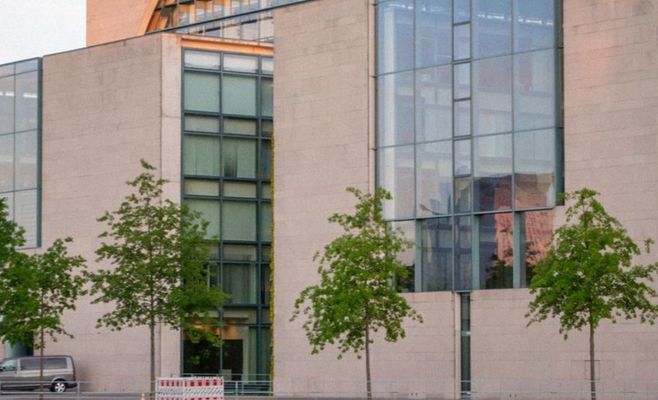
U.S. envoys Jared Kushner and Steve Witkoff are in Berlin on Nov. 19 to meet Ukrainian and European officials, aiming to prepare the next round of multilateral talks on ending the war in Ukraine. NPR reported that the meeting comes as Russian and Ukrainian airstrikes continue and as Ukrainians doubt that Moscow is serious about peace.
Kushner, President Donald Trump’s son-in-law, said on X that the delegation set out for Berlin for talks with Ukrainian President Volodymyr Zelenskyy and European leaders, UATV English reported. NPR reported that Kushner says Russia has agreed to include Europeans in the upcoming negotiations, though it is not clear that Moscow is fully on board.
What the envoys say they want from Berlin
According to UATV English, the American delegation will hold its talks as part of the “Coalition of the Willing,” a group of leaders from around 35 states that are ready to help Kyiv over the long term. Military and financial aid for next year and further steps on security guarantees for Ukraine are among the key issues.
In his post, Kushner listed the U.S. priorities for the trip: strengthening cooperation with Ukraine and Europe, working toward a unified position on the key elements of a lasting peace, and jointly preparing the agenda and proposed format for the next round of multilateral talks. He added that the delegation will look at how the coalition can help create post-war security mechanisms, including guarantees for Ukraine. Kushner said Trump remains fully committed to ending the war.
Why Europe’s seat at the table is contested
NPR said Washington has widened the negotiations to include European security. Its reporter in Kyiv, Eleanor Beardsley, said that would be a major win for Russian President Vladimir Putin, who would be seen as one of the world’s powerful leaders shaping the future of the continent alongside the United States. She also said Russia has revived hard-line demands that were rejected before the full-scale invasion, including that NATO pull back to its 1997 positions, and that it wants Finland, which joined after the invasion, to leave the alliance.
Ukrainian lawmaker Oleksandr Merezhko, who chairs the foreign policy committee, told NPR that Putin is pushing for broader negotiations to avoid U.S. sanctions and keep the war going. He argued that Russia is the biggest threat to European security and should not take part in discussing it.
Fears of a deal behind Ukraine’s back
A meeting between Trump, Chinese leader Xi Jinping and Putin in China is also under way, according to NPR. Merezhko said Ukrainians are very uneasy about it. He recalled that under President Joe Biden the principle was nothing about Ukraine without Ukraine, and said there is now concern that something will be decided without Kyiv, especially with a U.S. president who has called Putin a friend.
UATV English, citing analyst Volodymyr Dubovyk, reported that European countries share the worry, though he said surprise decisions like those that followed the Alaska talks should not be expected this time.
War continues around the diplomacy
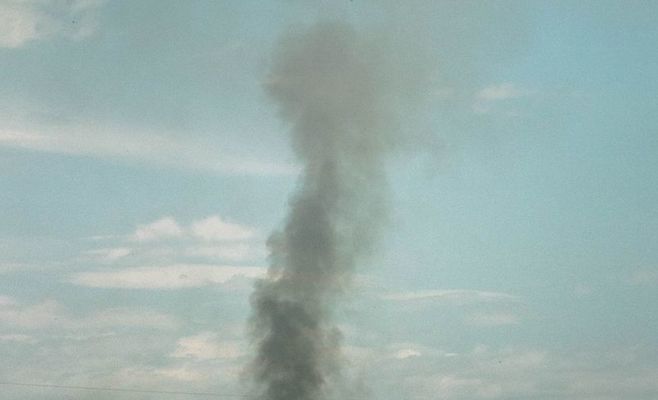
Beardsley said the attacks have not stopped in nearly five years. Air raid sirens had gone off seven times in Kyiv by the time she spoke on Nov. 19, and she heard drones being shot down. Two nights earlier, she said, Russia hit two bridges in Kyiv with a barrage of ballistic missiles that shook NPR’s bureau after midnight.
NPR also reported that Ukraine struck the bridge linking Crimea to mainland Russia again overnight, and that a span of the bridge collapsed into the sea. The bridge has been closed, although the Moscow-backed Crimean authority said the rail side would reopen at 4 p.m. Ukrainian lawmaker Volodymyr Ariev told NPR the strike shows that the idea of Russian military power is a myth, and that only pressure such as tighter sanctions and cutting off military technology from third countries will bring Russia to serious talks.
Why it matters
The Berlin meeting is meant to settle what Ukraine and its European backers will bring to the next round of talks, including who sits at the table and what is on the agenda. Whether Russia accepts a European role, and whether it drops demands such as the NATO pullback, will shape whether those talks can address a ceasefire or only broader questions of European security, which Ukrainian officials say distract from ending the fighting.
For people in Ukraine, the diplomacy has not yet changed daily safety: NPR described sirens and drone attacks in Kyiv on the morning of the meeting.