India Turns Openly Critical of Trump as Ties Fray Before US Midterms
USD 21,83
Popular
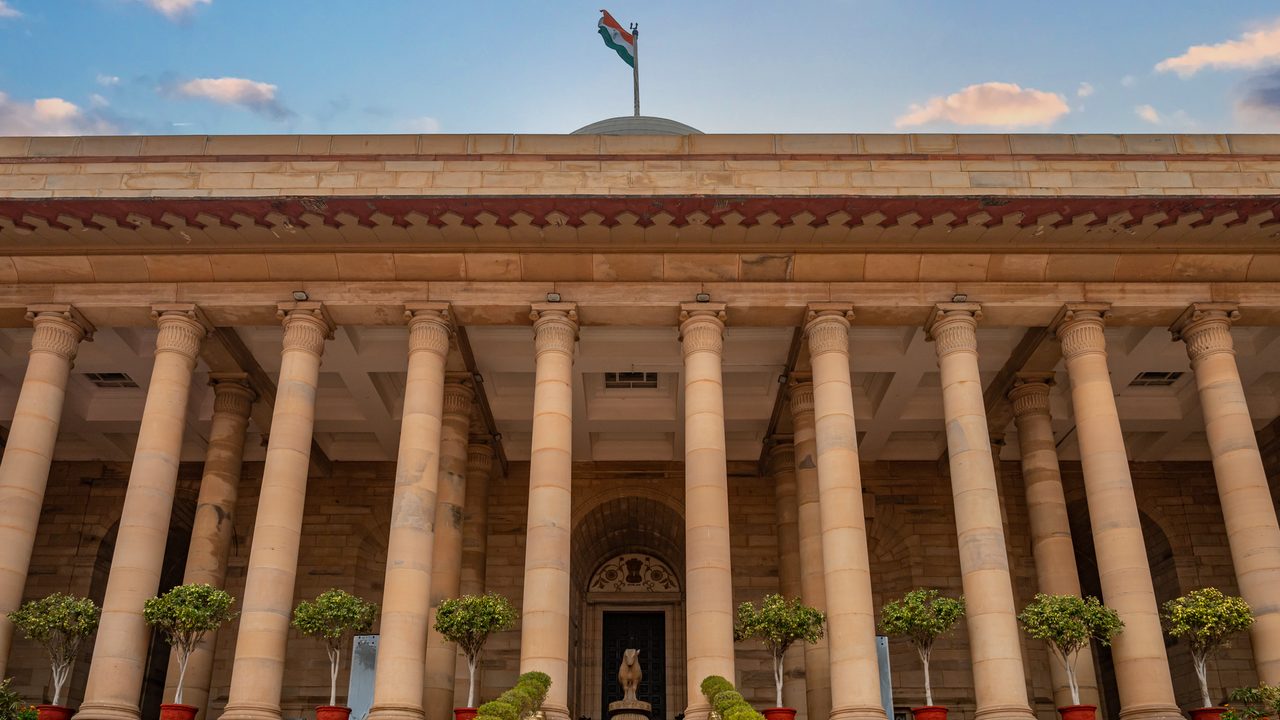
India's government, long reluctant to air disputes with friendly nations in public, has become openly critical of the Trump administration in recent weeks, Al Jazeera reported. The shift comes as President Donald Trump heads into midterm elections that could cost him seats in Congress, and some analysts believe New Delhi may now prefer a Trump weakened by those losses.
The change is stark against 2019, when Prime Minister Narendra Modi appeared with Trump at a Houston stadium rally attended by more than 50,000 Indian Americans. Modi praised Trump warmly and used a Hindi slogan meaning "This time, a Trump government," according to Al Jazeera. Trump lost the 2020 election.
What Indian officials have said
Last month, at an event in New York, Foreign Minister S. Jaishankar gave what Al Jazeera described as a blunt assessment of the administration. He said Washington had been insensitive to India's concerns about terrorism, had warmed to India's rival Pakistan and had pursued self-centered trade policies that disproportionately hurt the Global South.
Finance Minister Nirmala Sitharaman said earlier this month that trade talks had reached a "plateau beyond which giving or taking might be very difficult," according to the same report. India is among the countries hit hardest by Trump's tariffs, Al Jazeera said, and a trade deal that could bring relief remains out of reach.
The string of irritants since 2025
Al Jazeera lists several sources of friction since Trump returned to office in 2025:
- Punitive U.S. tariffs and stalled trade negotiations.
- U.S. pressure on India to stop buying Russian oil.
- Trump's repeated claims that he mediated a 2025 India-Pakistan ceasefire, which New Delhi rejects.
- Closer U.S. ties with Pakistan despite India's concerns over terrorism.
- Higher fees for H-1B specialized worker visas and a wider immigration crackdown affecting Indian workers.
Al Jazeera also pointed to anti-Indian rhetoric from parts of Trump's political movement, which has accused Indians and Indian Americans of taking U.S. jobs through programs such as H-1B. Early in his second term, Trump also sent undocumented Indian immigrants home in shackles, an image that caused outrage in India, the outlet reported.
Tariffs: a shifting picture
According to Al Jazeera, the U.S. Supreme Court struck down Trump's sweeping tariffs on many countries in February. His administration then turned to other tools, including a new 10 percent global tariff.
Last month Trump signed a law allowing tariffs of up to 100 percent on countries such as India that buy Russian oil. He then paused it, the report said, to avoid pushing up U.S. energy prices before the November midterms while keeping talks with Russia over the war in Ukraine on track.
Why it matters for India-U.S. ties
India has long had bipartisan support in Washington, but its strategic community has often felt more at ease with Republican presidents, Al Jazeera noted. It cited the Reagan-era reset in relations and the 2006-2008 civil nuclear deal under George W. Bush, which gave India access to global nuclear technology and fuel. Democratic administrations, by contrast, have often been seen in New Delhi as more critical of India's human rights record.
That history is why the current tone stands out. Modi once called Trump "India's best friend in the White House," the outlet said, yet the second Trump term has been very different from India's perspective. In practical terms, the unresolved trade talks, the tariff threats tied to Russian oil and the changes to H-1B visas bear on Indian exporters, Indian workers in the U.S. and the Indian American community.
Milan Vaishnav, director of the South Asia program at the Carnegie Endowment for International Peace, told Al Jazeera that India can tolerate genuine policy differences. But he said attacks on India and Indian Americans from the administration and its allies have "struck a nerve." He and other analysts said Modi's government has shown restraint in how it has responded.
What to watch next
The November midterms are the immediate test. Al Jazeera reported that many analysts think the Modi government may prefer a Trump chastened by losses in Congress, which could limit his legislative agenda. How the trade negotiations and the paused Russian-oil tariff law develop afterward will show whether the strain eases.
Around Prague, based on reporting by Al Jazeera