Ras Tanura Smoke Seen From Space: What the Saudi Strikes Mean for Oil Prices
USD 22,28
Popular
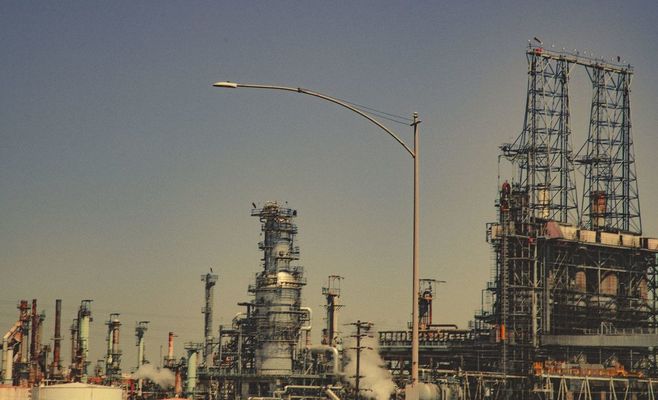
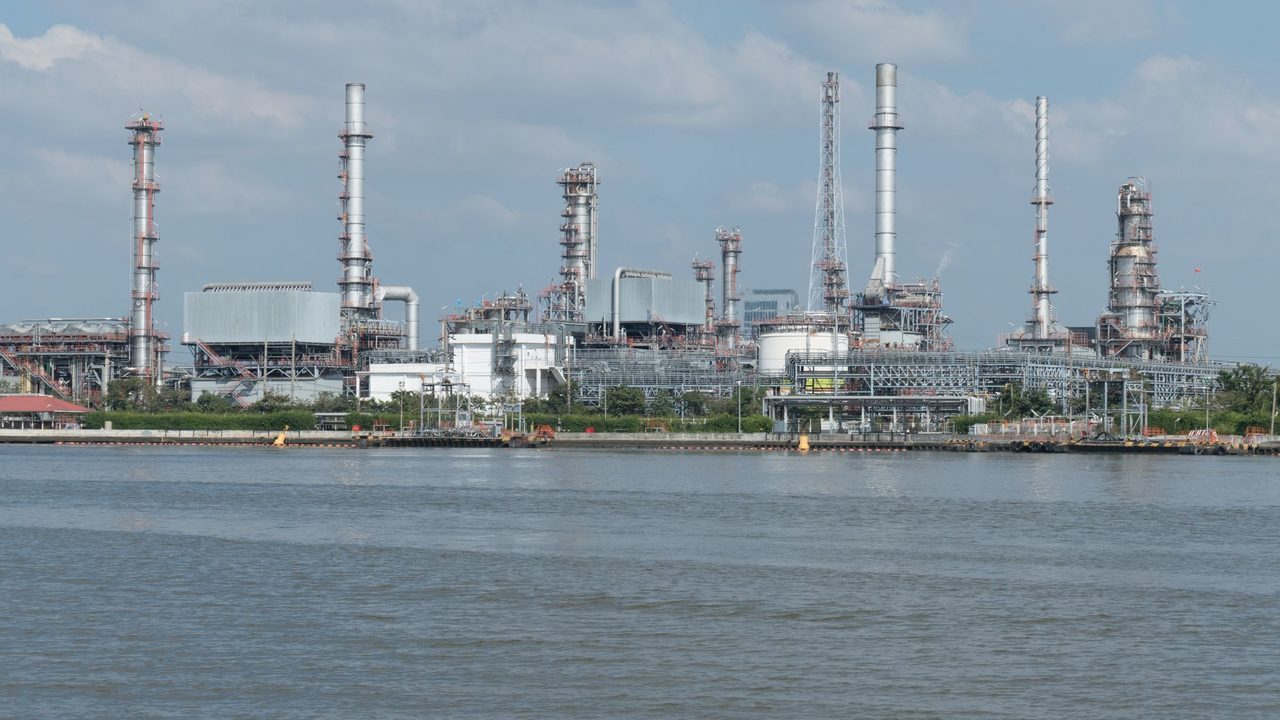
Satellite images taken Wednesday show a huge plume of black smoke over the Ras Tanura peninsula in Saudi Arabia, after Yemen's Houthi rebels said they had struck the kingdom's biggest oil refinery, CNN reported. Oil prices have already reacted: Brent crude settled up 3.5% at $94.61 a barrel on Nov. 25, according to Crux Investor, and was near $94.71 early Thursday, according to Univest.
A shipping source told CNN that oil loadings at the Ras Tanura terminal were suspended after the attack. It was not clear whether they have resumed, and Saudi oil giant Aramco had not responded to CNN's request for comment.
What it means for oil prices and fuel
Ras Tanura has a refining capacity of 550,000 barrels per day and sits in a coastal complex that was home to the kingdom's main export terminal before the U.S.-Iran war began in late February. Univest noted that any damage there could affect both refined product supply and crude exports.
Analysts quoted by Univest said the attacks brought a geopolitical risk premium back into prices after oil had traded near three-month lows on fears of a glut. Crux Investor said the rebound followed a decline of nearly 25% over three weeks in November. U.S. West Texas Intermediate rose 2% to $83.68 on Nov. 25, and stood at $84.03 on Thursday. There was no WTI settlement on Thursday because of the Thanksgiving holiday.
Whether prices keep climbing depends on how much real damage the strikes caused. Univest said that if supply is not materially hit, the risk premium could fade, as it did after earlier flare-ups, while lasting disruptions could push Brent higher.
Another Saudi refinery hit, with one worker killed
Separately, a projectile struck an oil refinery in Saudi Arabia's southwestern Jazan region on Thursday, killing a Nepalese worker and injuring several other people, according to the Saudi Ministry of Energy. The ministry said the strike caused a fire that was brought under control and temporarily halted some operations. Teams were assessing the damage and checking the safety of the facility.
The Saudi-led coalition fighting the Houthis said Wednesday that it intercepted and destroyed four drones over Ras Tanura. Coalition spokesman Maj. Gen. Turki Al-Malki said falling debris caused no injuries, based on an initial assessment. Houthi spokesman Yahya Saree, by contrast, said the strikes “were accurate and direct” and started a fire at the facility. CNN said it could not independently verify the attacks.
Strikes in both directions
The coalition said it hit “operational capabilities” at the Houthi-controlled port of Hodeidah on Wednesday and destroyed targets in the Saada and Amran governorates. In a further statement Thursday, it said it carried out a “precision military operation” that destroyed 50 targets across the Sanaa, Hodeidah and Saada governorates.
The Houthi-controlled armed forces said Saudi warplanes and missiles carried out 109 strikes in the previous 24 hours across Sanaa and several other governorates. The group claimed civilian sites were hit and civilians were hurt but gave no casualty toll.
The Houthis also claimed a strike on the King Abdullah Economic City in Riyadh, which Saudi authorities said wounded 11 people. It was the third such attack in the Saudi capital this month. An eyewitness told CNN the targeted tower was the headquarters of the Public Investment Fund, Saudi Arabia's sovereign wealth fund, which was also struck earlier this month. The coalition said the deliberate targeting of civilians would be met with a firm response.
Fighting between the Houthis and the Saudi-led coalition reignited in July after years of relative calm following a 2022 UN-brokered ceasefire, and it intensified after a Houthi advance toward the Bab el-Mandeb Strait in September, CNN reported.
Shipping risks in the Strait of Hormuz
Oil traders are also watching the Strait of Hormuz. Iranian state media reported that two tankers struck mines and exploded there on Wednesday, and Iran's Fars news agency, citing the Iranian Army, said one tanker caught fire after hitting a mine. Neither report has been independently verified, according to Crux Investor.
Kpler data cited by Crux Investor showed that 40% of regional crude bypassed Hormuz through Saudi and UAE pipelines. Analyst Daniel Hynes of ANZ warned that the widening conflict threatens a recovery in Persian Gulf crude exports, which rose last week but remain on a declining trend.
What's at stake in the days ahead
The next scheduled event is the OPEC+ ministers' meeting, which begins Nov. 29 and will decide the group's 2027 output policy, according to Univest. It said a decision to raise output could cool prices, while restraint would add to the rally.
The U.S. Energy Information Administration raised its 2027 Brent forecast to $85.78 per barrel in its November outlook, Crux Investor reported, assuming most Middle East output outside Iran returns to pre-conflict levels by mid-2027. Saudi statements on Ras Tanura and shipping updates from Hormuz are the other developments to watch.
Earlier on Around Prague: Ras Tanura Refinery Attack: What We Know About the Houthi Strike on Saudi Oil
Read next
Ras Tanura Refinery Attack: What We Know About the Houthi Strike on Saudi Oil
What the Houthi Attacks on Saudi Airports Mean for Travel and Oil
What the Houthi Strikes on Riyadh Airport Mean for Flights, Oil and the U.S.
Around Prague, based on reporting by CP24, Crux Investor, Univest