A Male Orca May Have Lived Past 65. Bomb Fallout in His Teeth Gave It Away
USD 22,28
Popular
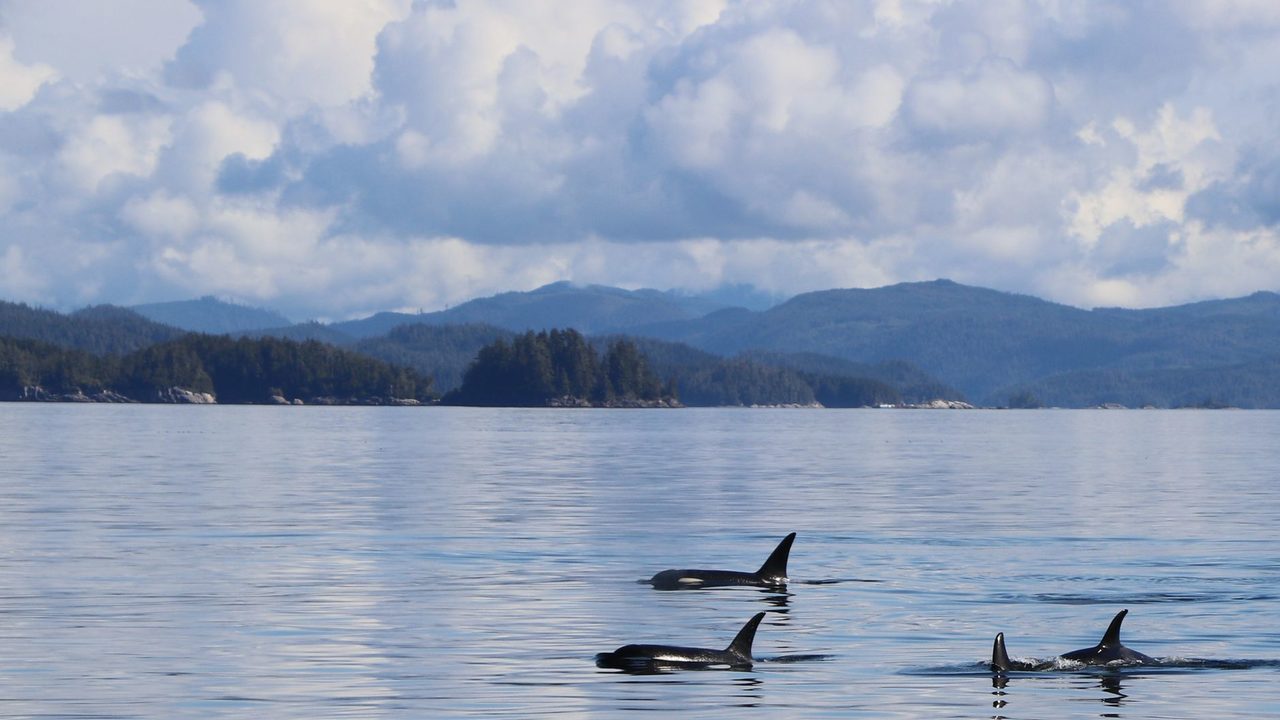
A male orca that washed up in Scotland may be the oldest male of his species ever recorded. Radioactive residue from mid-century atomic weapons tests, locked into his teeth, points to a life of more than 65 years, Live Science reported.
The finding comes from a study published Oct. 1 in the journal Frontiers in Marine Science. It is an estimate, not a precise age, and it clashes with a second method used on the same animal. Even so, outside experts say it is plausible.
The key numbers behind the finding
- More than 65 years: the age suggested by radiocarbon in the teeth of a male orca named KW2, who stranded on Uist, an island in western Scotland, in 2015.
- 50 to 60 years: the maximum lifespan generally thought to apply to male orcas.
- 50s: the age suggested for KW2 when researchers counted the growth layers in his tooth instead.
- 2 males: all that is left of Scotland's West Coast Community of orcas, a genetically distinct group on the brink of extinction.
How bomb tests became a clock inside a tooth
Orcas and sperm whales lay down banded layers in their teeth, which researchers believe form once a year, much like tree rings. The team set out to test that idea and to learn more about whales that strand along Scottish shores.
Atomic weapons testing, especially in the middle of the 20th century, released vast amounts of radioactive material into the environment. That included radiocarbon, which spiked in the atmosphere and then entered the ocean, and it was preserved in the teeth of whales that lived through that era. Lead author Kieran Tierney, of the Scottish Universities Environmental Research Centre, told Live Science that the result gives researchers a “bomb pulse” to read.
By measuring radiocarbon levels, scientists can tell whether an animal was alive during the testing years, and roughly when. That offers a check on the tooth layers.
Where the two methods agreed and where they did not
For the two sperm whales, the layers matched the atomic data. One was estimated to have died in its 20s and the other in its 40s, which suggests the layers do form yearly, at least in early and middle life.
One male orca also matched, with an age in his early 20s. KW2 did not. His layers suggested he lived into his 50s, but his radiocarbon pointed to at least 65 years. Tierney speculated that several layers may have formed together and been counted as one year, or that new layers stopped forming late in life. “We think that the tooth effectively ran out of space,” he said, in a quote the outlet carried.
The only female in the study, named Lulu, also failed to line up. She showed no clear bomb pulse. Her layers suggested she was in her 30s when she died. Her radiocarbon instead reflected historic nuclear plant discharges in the Irish Sea during the second half of the 20th century, which were carried to Scotland's west coast.
The team also analyzed stable isotopes of carbon and nitrogen to infer diet. Lulu appears to have eaten more marine mammals than the males, which seemed to eat more fish. She belonged to the West Coast Community, known to prey on other marine mammals, and was the last known female of that group. The population has produced no calves in the decades it has been studied.
Why it matters for understanding orcas
The researchers noted that radiocarbon does not give an exact age. But Live Science reported that this does not make the estimate implausible. Maximum ages are hard to measure in the wild, because scientists cannot follow every animal to see which lives longest, and there is no extensive worldwide record of orca longevity.
Erich Hoyt, co-chair of the IUCN Important Marine Mammal Area Specialist Group, who was not involved in the study, said the age estimates scientists rely on come from life history studies only a few decades old, covering limited numbers of individuals from a few populations. He told Live Science it would not surprise him if male killer whales sometimes lived to 65 and beyond.
The result may also hint at differences between populations. Tierney noted that most orca research has focused on groups off the Pacific coast of North America, where males typically spend their whole lives with their mothers and their life expectancy drops sharply after the mother dies. The two living males of the West Coast Community are thought to be more than 50 years old, and they have done without their mothers' support. If males off Scotland live longer and are more independent, Tierney said, orcas around those shores may behave somewhat differently.
What the study cannot say
The work rests on a very small sample, and the two dating methods disagreed for KW2 and for Lulu. The living males of the West Coast Community were not part of the study, so their ages remain estimates.
Read next
Fossil Teeth Show Homo Erectus Survived in Chinese Rainforests Far Longer Than Thought
A Cave Fossil in South Africa Suggests Homo Erectus Is 200,000 Years Older
Ice Age Humans Left DNA in Cave Dirt: Scientists Read It 22,000 Years On
Around Prague, based on reporting by Live Science