Tanker Struck by Projectiles Off Qatar: What We Know About the Gulf Attack
USD 21,86
Popular
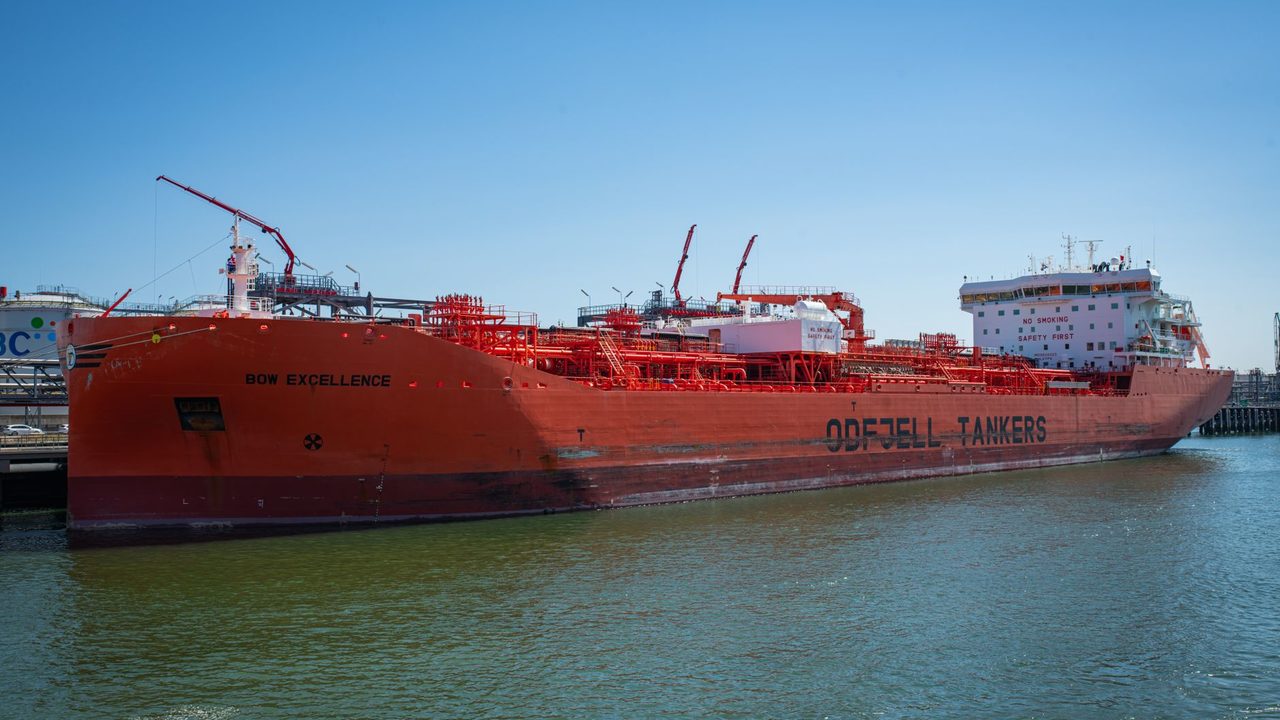
A tanker sailing in the Gulf north of Qatar was hit by multiple projectiles on Wednesday, and casualties were reported, according to the United Kingdom Maritime Trade Operations agency (UKMTO). The attack is unusual because it took place well inside the Gulf rather than in the Strait of Hormuz, where most recent strikes on shipping have occurred.
Authorities are investigating. UKMTO did not say how many people were killed or hurt.
What happened to the tanker?
UKMTO said the vessel was struck about 94 kilometers (58 miles) north of Madinat ash Shamal, off Qatar's north coast. The BBC gave the distance as 51 nautical miles. Al Jazeera said UKMTO did not specify the ship's origin.
The BBC reported that maritime intelligence firm Vanguard identified the vessel as the Antigua and Barbuda-flagged oil and chemical tanker Acers. Vanguard said it was laden with cargo and heading toward the Strait of Hormuz on Saturday. Al Jazeera noted that the location falls within Qatar's exclusive economic zone, and that Qatar had not commented.
Why is this attack considered unusual?
Al Jazeera cited The Maritime Executive, a shipping publication, as saying it was the first reported attack on a tanker in the western half of the Gulf in weeks. Martin Kelly of EOS Risk Group told the BBC it was the first reported attack this far west of the Strait of Hormuz since Sept. 9.
On that date, according to the International Maritime Organization (IMO), two sailors were killed in an attack on the Panama-flagged tanker El Gaia in the strait, just north of Oman's Musandam peninsula. The IMO says that was the last incident with casualties before this one.
The BBC also reported that Vanguard saw a fire aboard another tanker on Thursday in the Gulf of Oman, about 40 kilometers east of Fujairah in the United Arab Emirates. Vanguard said it was likely the Marshall Islands-flagged Dhalkut. The cause is unclear, and UKMTO has not reported an incident there.
What is the wider situation in the Gulf?
Merchant ships have been attacked repeatedly since the U.S.-Israeli war with Iran began on Feb. 28. The IMO counts at least 24 seafarers killed in 93 confirmed incidents.
Iran effectively closed the Strait of Hormuz in response to U.S. and Israeli attacks, while the United States has kept a blockade on Iranian ports. The BBC reported that a preliminary U.S.-Iran deal in June to end the war and reopen the strait collapsed within weeks, after Iranian attacks on shipping resumed and the U.S. reinstated its blockade. Iran has said it will not give up some control of the waterway and has targeted vessels using a southern route through Omani waters.
UKMTO said Tuesday that nine attacks on tankers had occurred in the strait this month, half of the September total for the strait and the Gulf combined.
Why does it matter for oil supplies?
Before the war, the strait handled about 125 large commercial vessels a day, and roughly 20 percent of global crude and liquefied natural gas supplies passed through it, according to Al Jazeera. The BBC described the share as a fifth of global oil and gas shipments.
Despite the attacks, exports have largely recovered. Kpler data cited by Al Jazeera showed the seven-day moving average of Middle East crude exports at 18.3 million barrels per day on Sept. 30, against about 18 million on average in the 12 months before the war. The BBC, citing Kpler analysts, said crude exports through the strait itself averaged 12 million barrels per day over the past two weeks, around 80% of pre-war levels. The U.S. military has been protecting tankers moving oil through the strait.
An attack farther inside the Gulf raises the question of whether shipping risks are spreading beyond the strait, though the sources do not draw that conclusion.
What happens next?
UKMTO says the incident is under investigation. The casualty count, the attacker and the ship's condition have not been confirmed in the sources, and Qatar has not responded publicly.
Sources: Al Jazeera, BBC News