Why Are People Protesting Across France? What to Know About Saturday's Rallies
USD 21,62
Popular
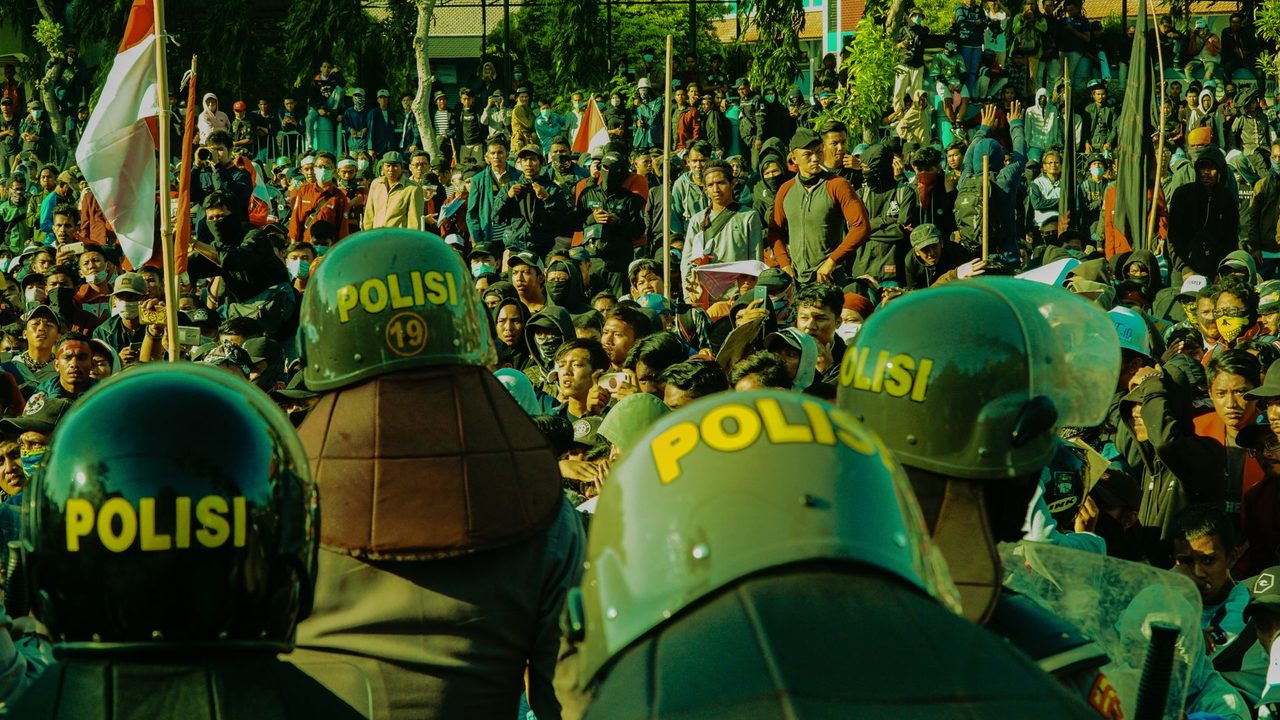
Mass rallies over high prices, social inequality and struggling schools are taking place across France on Saturday, with authorities openly worried about violence. The Independent reported that around 40 people were arrested in Paris before the main demonstrations began, and DW reported clashes between riot police and protesters in several areas as the day went on.
What is happening in France on Saturday?
According to protest organizers, more than 600 demonstrations are planned nationwide. A police source told AFP that authorities estimate nearly 200,000 people will take part, while The Independent described the expected turnout as tens of thousands. Interior Minister Laurent Nunez told France 2 television he expected a pretty big turnout.
The main Paris demonstration is due to start at 2 p.m. (1200 GMT) at the Place de la Republique and head toward the north of the city. The Independent said there are two official demonstrations in the capital.
Where did the protests start, and what do people want?
The movement began last month at high schools in the poor northern suburbs of Paris, where pupils complained about teacher absences and run-down facilities. According to The Independent, that anger grew into a nationwide movement against inequality, weak public spending and falling standards.
Saturday's demonstrators are airing wider complaints. A 19-year-old protester in Paris who gave her name as Lola told The Independent that she was protesting the high cost of living and fuel prices, and what she described as violent treatment of pupils who protest for more teachers and decent learning conditions.
Who is taking part?
DW reported that students are being joined by trade unionists and remnants of the Yellow Vests movement. That movement staged mass weekly protests from November 2018 to June 2020, starting over rising fuel prices before turning into broader anger over living costs and economic inequality. The Independent reported that protesters in hi-vis vests blocked streets, and that calls on social media for veterans of past movements to join appear to have worked.
Jean-Luc Melanchon, leader of the hard-left France Unbowed, has backed the student protests and marched in one demonstration on Tuesday, according to DW. The government has accused the party of fueling the unrest. The party denies this.
What security measures are in place?
Police have banned rallies around the Elysee presidential palace, the prime minister's office and the Champs-Elysees avenue, along with other key locations, DW reported. A march through central Paris is also banned. The Independent said a large police presence was visible near the Champs-Elysees and the Arc de Triomphe.
Police said the roughly 40 arrests were mainly for carrying weapons or prohibited protective gear, and that enhanced checks are under way. In Marseille, The Independent reported, trash cans were set alight.
How has the police response drawn criticism?
Prime Minister Sebastien Lecornu said more than 900 police officers have been injured during the school protests, and DW reported that several protesters have also been hurt. One teenager lost a hand to a stun grenade; The Independent said he had picked it up, while DW said it was blown off. The internal police watchdog is investigating at least two dozen cases of alleged police violence.
France suspended the use of stun grenades for the student demonstrations. Nunez said on Friday that they could be used on Saturday. He told Telematin TV that in the event of clashes, "all types of intermediate weapons can be used."
What have political leaders said?
President Emmanuel Macron called for calm and respect, saying the right to protest goes together with respect for people and property, according to DW. Lecornu said on Thursday that authorities fear violence, and described a country in a moment of fatigue and a constant state of crisis marked by wars, inflation and purchasing-power worries.
Jordan Bardella, head of the far-right National Rally, which leads the polls ahead of next year's presidential election, said he was extremely concerned. He predicted "a day of chaos for France."
Why does it matter?
For people in France, the day brings heavy police checks and closed-off areas in central Paris, with some of the capital's best-known locations excluded from official routes. Authorities have also warned that more forceful police tactics could be used if clashes break out.
Politically, the unrest comes as Macron enters the final stretch of his presidency, The Independent reported, with a polarized electorate and a badly fragmented political landscape. The outlet also said investors are selling French bonds amid doubts about efforts to cut public debt, pushing borrowing costs to their highest levels in more than two decades. The Independent noted that the Yellow Vests had been largely quiet since Macron agreed to billions of euros in tax cuts. Their return to the streets suggests that cost-of-living anger has not gone away.
Sources: DW, The Independent