Anders Forslund flies world's largest electric plane for 100 crowns
USD 21,66
Popular
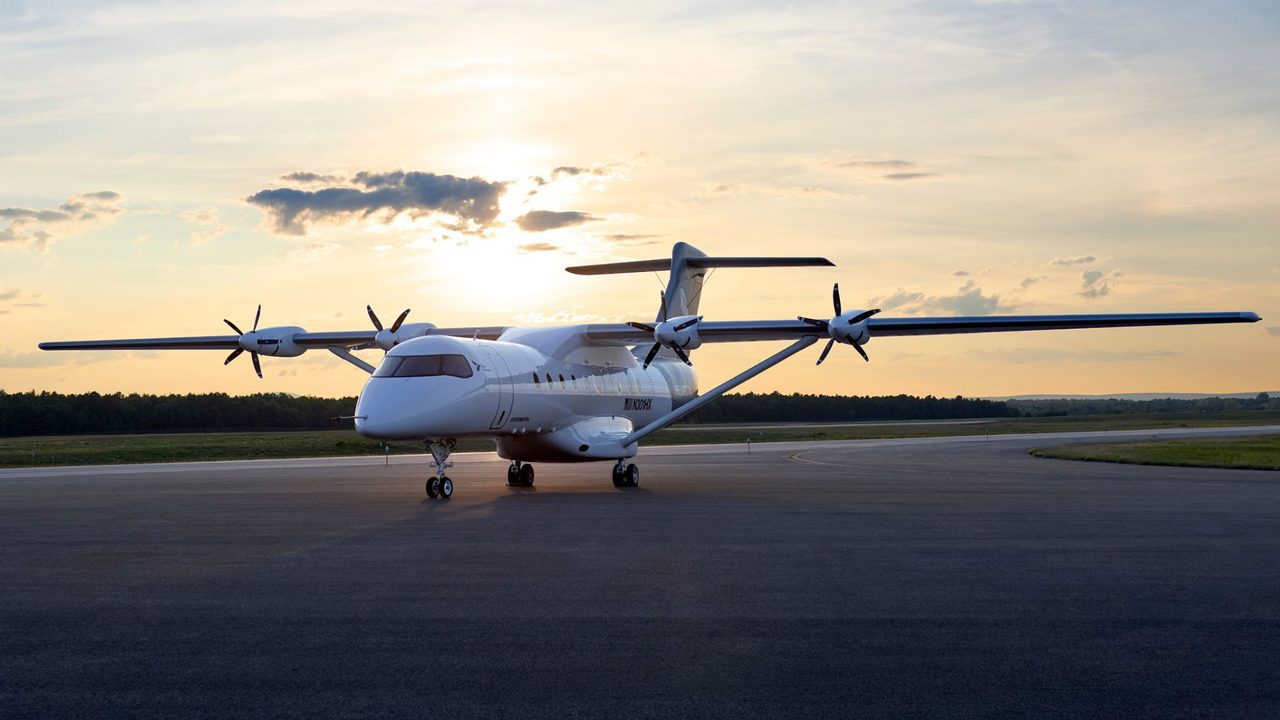
Founder and CEO of startup Heart Aerospace Anders Forslund carried out a historic test flight: the 11-ton X1, the world's largest battery-powered aircraft, stayed airborne for 27 minutes, and all the electricity it used cost about five dollars — roughly a hundred crowns.
The piloted aircraft climbed to an altitude of 335 meters, with its electric motor producing more than a megawatt of power. The test was overseen by the U.S. Federal Aviation Administration and included a full flight cycle — from taxiing down the runway to takeoff, in-flight maneuvers and a soft landing.
“We've proven that electric flight is possible at the scale of a conventional commercial airliner,” Forslund said after landing. He added that electric aircraft could transform the economics of air travel, lower ticket prices and make it easier to connect smaller regional airports.
The X1 itself will never carry passengers — it's a technology demonstrator that the company is using to test its electric powertrain, software and organizational processes. All of this work will feed into the company's final commercial product — the 30-seat ES-30.
It's in that model that Heart Aerospace's engineers made a key compromise: unlike a conventional aircraft, which grows lighter over the course of a flight as it burns fuel, batteries keep the same weight throughout. That's why the production aircraft uses a hybrid-electric design: on pure electric power the ES-30 will fly about 200 km, and with its gasoline generators switched on, its range grows to 800 km. According to the company's estimates, this will cut airlines' operating costs by more than 40% compared with older turboprop aircraft.
The numbers have impressed carriers: the startup already holds orders worth almost $10 billion. Its key partners and investors include the American giants United Airlines and Air Canada, while European carriers — including SAS and a number of regional Scandinavian and British airlines — have also shown interest. The first production aircraft is due to begin flight testing in 2028, with full commercial service planned to start in 2031.
Interestingly, the project has European roots: Heart Aerospace was originally founded in Gothenburg, Sweden. However, Forslund ran into the constraints of Europe's business environment, and in April 2025 the company shut down its Swedish division, moving its headquarters and production entirely to Los Angeles — the U.S. offered more flexible certification rules and proximity to major capital.