FTMO hits 8.8bn-crown revenue, reveals price paid for Oanda
USD 21,68
Popular
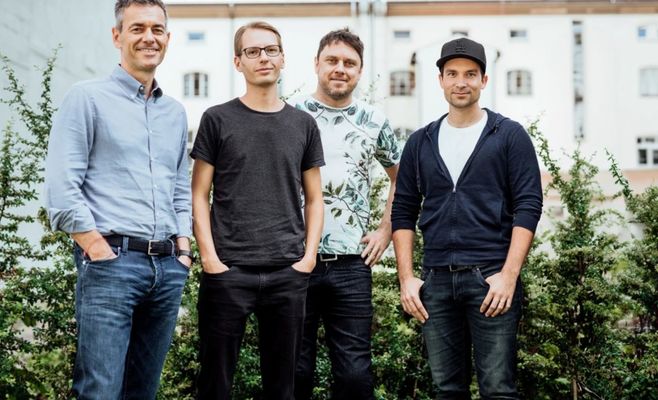
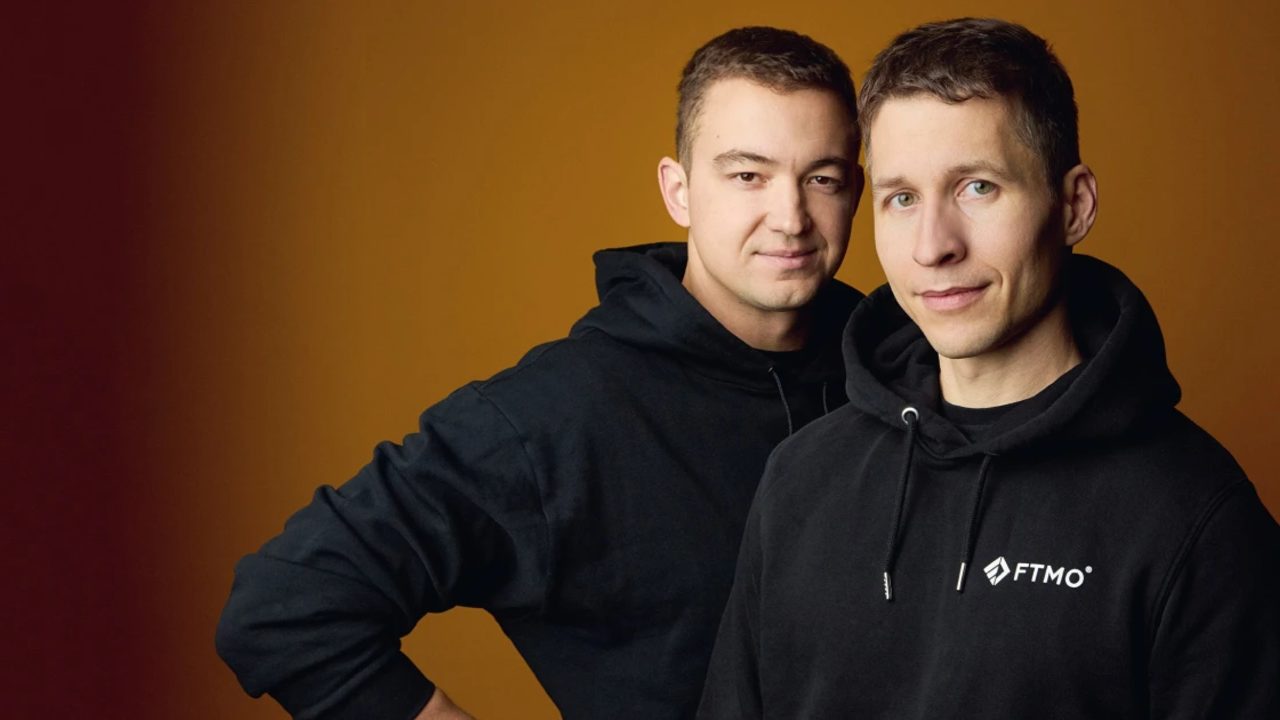
The Czech fintech company FTMO, founded by entrepreneurs Marek Vašíček and Otakar Šuffner, closed out 2025 with revenue of 8.8 billion crowns — up a third year on year. It is a fitting coincidence that this is exactly the sum the company paid a year earlier to buy the global broker Oanda, and it has now emerged just how much that deal really cost.
The annual report has revealed the secret: FTMO paid $422 million for Oanda, acquired from the investment fund CVC — which converts to roughly 8.8 billion crowns.
Vašíček and Šuffner built a billion-crown business without outside investors, effectively creating an entire industry from scratch — so-called modern proprietary trading. FTMO long topped Deloitte's Technology Fast 50 ranking of the fastest-growing companies in Central and Eastern Europe, growing by 40,000% over four years.
The impressive pace continues today: the company's CTO, Marek Vašíček, calls 31% annual revenue growth an excellent result given the scale of the business. “It's no longer thousands of percent like before, and it doesn't sound as flashy in articles and competitions, but at this size of business, growth of a third is a lot of work. We're happy with the direction things are heading,” he says.
In January this year, Vašíček and Šuffner already appeared on the cover of Forbes, where they spoke in detail about the purchase of the global broker Oanda, which is helping the company build a global trading “powerhouse.” The deal closed in November of last year.
After the acquisition, headcount jumped sharply — from 350 to 1,100 employees — and offices were added in eight more countries on top of Prague. According to the latest annual report, the holding's total assets exceeded 30.7 billion crowns at the end of December.
All of this played out against a backdrop of turbulence on the financial markets. “2025 was perhaps the toughest test for modern proprietary trading in recent years. A chaotic and unpredictable political environment, amplified by U.S. tariff shocks and global demand for safe-haven assets, put pressure on margins across the whole industry. But we learned a lot,” says Vašíček.
Despite the difficult year, FTMO posted solid results. Normalized EBITDA, which reflects the long-term sustainability of operations, came to 1.19 billion crowns. New sign-ups rose 39% to 1.4 million, while paid orders nearly doubled to 1.3 million, with 80% of them coming from repeat customers.
FTMO lets traders test their strategies on demo accounts using real market data but virtual money. The best traders, who pass the so-called FTMO Challenge and show a certain level of profit without excessive losses, get to trade with virtual funds while earning real payouts — the company uses data from their demo accounts for its own real trading. Over ten years in business, FTMO has paid out more than $650 million, around 13.7 billion crowns, to traders around the world.
This year the founders plan to expand the product lineup and significantly strengthen the team. “We're building a global trading platform that meets the needs of traders at every level, which gives the group an exceptionally strong market position. It matters to us that people inside the company grow too. We intend to expand the team noticeably — that goes hand in hand with the growth of the whole group,” says Šuffner, sharing the plans.