Martin Vokršal: Czech ex-Microsoft manager turns to saving city trees
USD 21,68
Popular
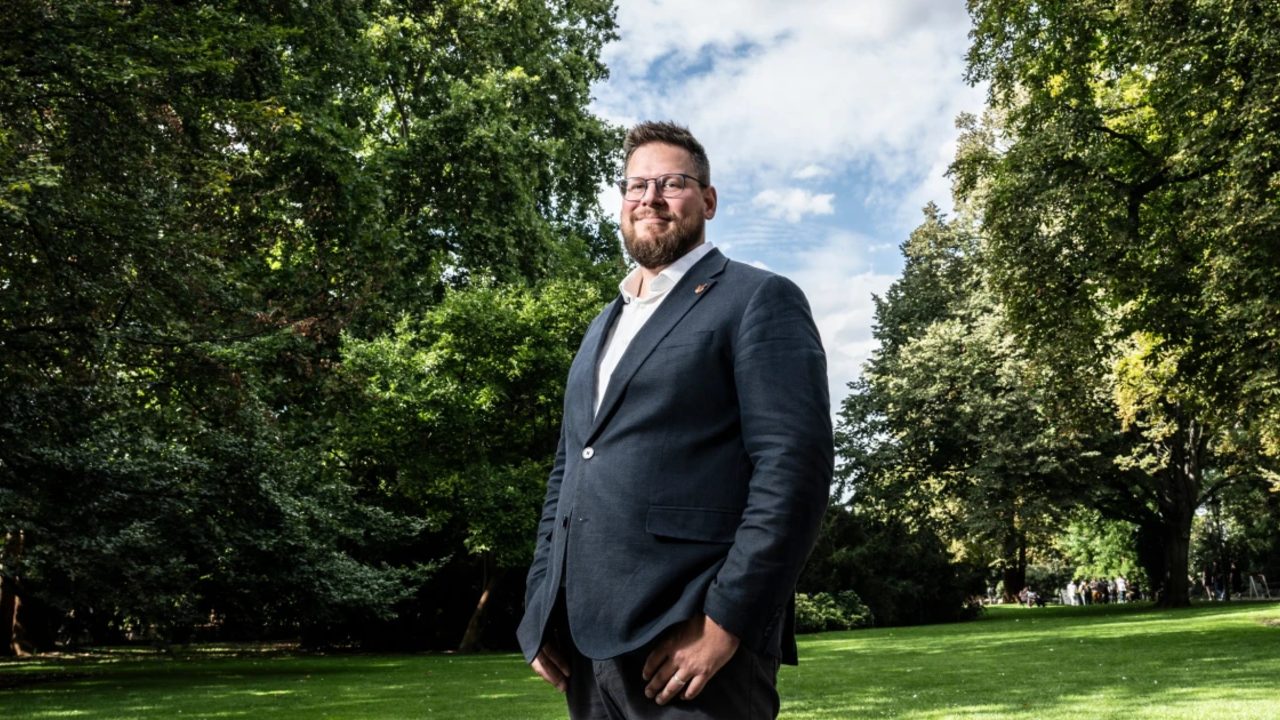
The founder of Brno-based company Asitis, Martin Vokršal, has developed a technology that uses satellite data to assess the health of urban trees and helps city halls cope with the effects of drought and heat. His service, UpGreen, is already in use in Lisbon and Copenhagen, and the project won the journalists’ award at the E.ON Energy Globe environmental competition.
The Czech firm’s idea even caught the attention of the European Space Agency (ESA), which Asitis partnered with while developing UpGreen. Using satellite imagery, the service analyzes the condition of each tree — its vitality, productivity, stress levels and long-term chances of survival. That lets cities see which greenery needs attention first.
In the Czech town of Kuřim, for example, the analysis found that 43% of trees were under elevated stress, with some also showing low productivity — meaning weaker photosynthesis, less cooling effect and less carbon stored. This combination of factors helps identify trees whose condition could deteriorate sharply.
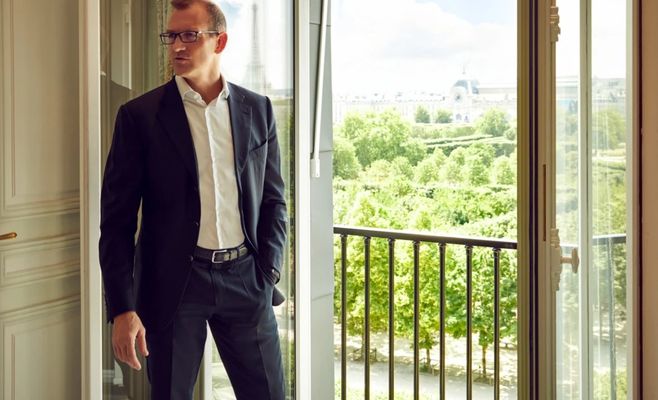
Vokršal himself came to environmental work from the corporate world — for years he worked as a manager at technology companies, including Microsoft. But before his second child was born, he decided the job was taking too much time away from his family, so he left to run his wife’s family landscaping studio. Asitis was born as a side effect of searching for innovations for that business, and the company now has an annual turnover of about 50 million crowns.
Today Asitis runs projects in energy, the environment and urban planning, all united by a single goal: helping to soften the effects of climate change. According to the entrepreneur, cities too often make development decisions without data, going mainly by the lowest price, when it is data — including satellite data — that should show where greenery is lacking and where residents suffer most from the heat.
Success in the ESA competition, among dozens of top teams, earned the company a grant to study the technology’s potential. In pilot projects in Lisbon and Copenhagen, UpGreen has analyzed more than 587,000 trees in total. According to Vokršal, the technology is unique at the European level: analyzing tens and hundreds of thousands of trees at once sharply cuts the cost of such an assessment of urban greenery and delivers the data quickly — before a city hall’s leadership changes.