Czech fund Jet Investment eyes a billion euros under management
USD 21,59
Popular
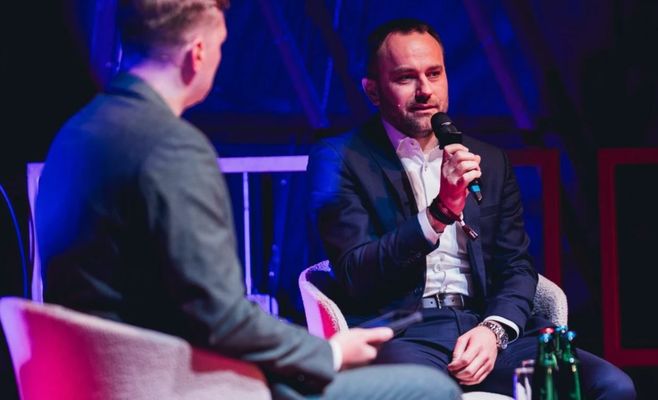
Investment group Jet Investment, owned by entrepreneur Igor Fajt, is raising money for its fourth private equity fund, Jet 4 — the goal is to exceed €300 million (about 8 billion crowns) within a year. The company's ambitions and investment principles were outlined by Jiří Voda, director for private investor relations.
According to him, the group's strategic goal is to eventually grow its total assets under management to one billion euros, partly by attracting foreign capital.
Over nearly thirty years in business, Jet Investment has generated more than 15 billion crowns in profit for investors from completed projects, including the companies Less & Timber, MSV Metal Studénka, Rockfin and Tedom. The new Jet 4 fund plans to invest in mechanical engineering, energy, advanced materials, quality food production, healthcare, waste processing, automation and energy efficiency.
“More than a hundred private investors have already signed on, and their commitments alone amount to around €180 million — more than half of the overall target,” says Voda, who joined Fajt's Brno-based investment firm in June last year after returning from Switzerland.
Fundraising for Jet 4 began at the turn of 2025–2026 and is proceeding in three stages: first came the company's existing clients (private investors with holdings from €400,000), then investors who reinvested proceeds from the sale of Rockfin from the Jet 2 fund, with work on institutional investors running in parallel. The first tranche for acquisition deals is planned for the fourth quarter of this year — around €25–40 million is expected out of a projected €280 million to be raised by year's end.
Voda, who has more than 25 years of experience in private and corporate banking, also shared his personal investment principles. The first is the “three L's” rule (Liquidity, Longevity, Legacy): splitting money into current expenses (a horizon of up to two years), securing the investor's future life, and a legacy for future generations. The second principle is a 55:45 ratio between traditional assets (stocks, bonds) and alternative investments (real estate, venture capital and private equity funds), which he adopted from the practice of Swiss banks UBS, J.P. Morgan and Morgan Stanley. The third rule is not to put more than 5–10% of family capital into a single instrument or issuer, especially if the counterparty is little-known.