Josef Hrpa quit PR to build a Pokémon paradise in Prague
USD 21,52
Popular
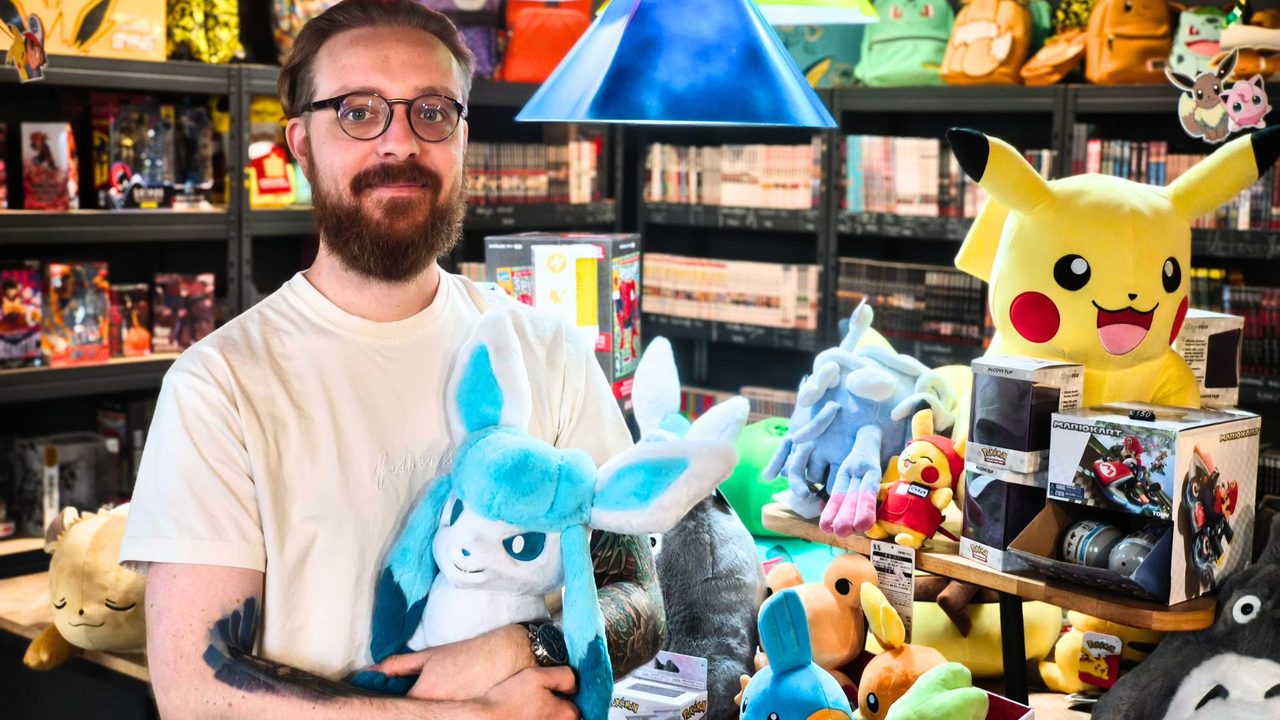
Josef Hrpa spent more than thirteen years building a career in marketing and PR, working his way through small agencies and a large corporation, until he ran into burnout. He spent a year thinking about leaving the profession — and eventually opened a shop called Komiksan in Prague's Dejvice district, devoted to Pokémon cards, manga and Japanese pop-culture merchandise, turning a lifelong collecting hobby into his own business.
The decision to open exactly this kind of shop took shape after he moved to Dejvice: Hrpa noticed plenty of sports-card sellers operating around him, but no real space for the community of Pokémon fans. He picked a location near several schools, betting not only on cards but also on plush toys, backpacks and comics.
Just three months after opening, the business faced a serious test — the eagerly awaited midnight sale of a collection marking Pokémon's 30th anniversary fell through because of a delayed delivery, and a line of collectors and scalpers had already formed outside the shop by the next morning. According to Hrpa, despite the mishap the atmosphere stayed warm: visitors rewatched old episodes of the cartoon and reminisced about their childhood.
Today Komiksan is a meeting point for a wide range of customers: from ten-year-olds spending their pocket money on individual cards to thirty-something collectors with far deeper pockets. But it's not only nostalgic fans who have heated up the market — above all, it's global influencers like American Logan Paul, who in February sold a rare Pikachu Illustrator card at a Goldin auction for a record $16.49 million (about 370 million crowns).
That sale drew mainstream media attention and casual investors to the hobby, creating what Hrpa sees as a dangerous illusion that investing in any card automatically turns to gold. As a result, the market has been flooded with scalpers buying up stock wholesale, making it disappear for genuine players.
“Yesterday a buyer came in and said he wanted twenty boxes of cards. I just told him: sorry, I won't sell you that,” the entrepreneur says. To curb scalpers, he limits customers to one item per person, but he firmly rejects the aggressive practice used by some shops abroad, where the protective film on boxes is slit open right at delivery from the supplier, to kill scalpers' interest in reselling sealed product at a markup.
“For scalpers that then loses its point, because they can't resell damaged packaging at a huge markup. But if that were applied everywhere, it would hurt the people who genuinely love the game and just want to display their items nicely on a shelf,” he explains his dilemma, refusing to damage collectible value just to fight speculators.
Hrpa also notes that a purely financial view of Pokémon is changing how the youngest generation experiences the hobby: influenced by investors and some YouTubers who judge unboxed cards mainly by price, children increasingly think about money rather than the game itself.