Klaus Zellmer leaves Škoda Auto for Volvo, surprising industry
USD 21,69
Popular
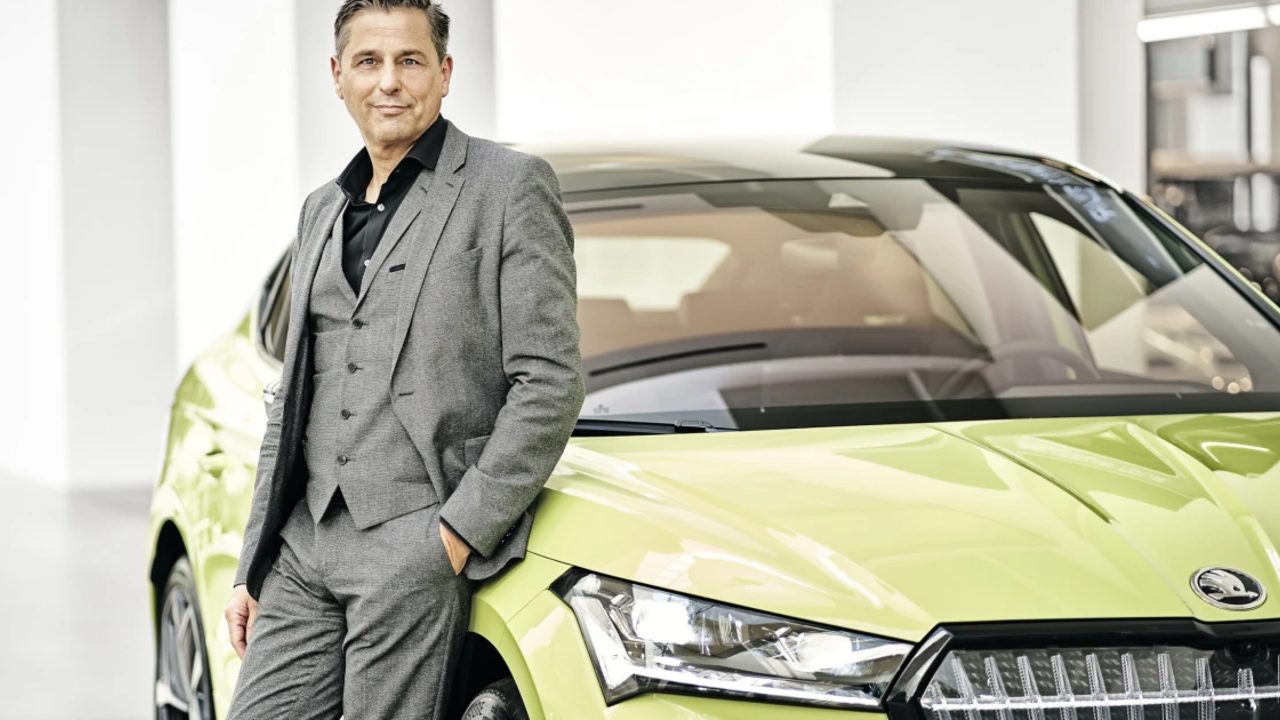
Škoda Auto CEO Klaus Zellmer is unexpectedly leaving the Czech carmaker for Scandinavian rival Volvo, owned by China's Geely. The departure comes despite a contract with two years still to run and came as a surprise even to people close to the company's management.
His post will be filled on an interim basis by Holger Peters, a member of the seven-strong management board, while Volkswagen's leadership searches for a permanent new CEO. Notably, just a couple of weeks before the announcement Zellmer took part in the first test drives of the flagship Škoda Peaq model in Austria and gave interviews about the brand's near-term future — apparently already knowing he wouldn't be part of it.
According to available information, Zellmer will move to Volvo no later than October next year — likely observing a non-compete clause typical for executives at his level. Companies use such clauses to protect their know-how, and Škoda Auto is no exception.
In the assessment of automotive-industry expert Petr Knap, Zellmer's departure poses no short-term threat to the Czech carmaker, which, despite the difficult situation across the European auto industry, is going through the financially most successful period in its history. “Škoda Auto is in the best shape it's ever been, and its course doesn't depend on one person. The risk lies in who comes next, and with what mandate,” Knap notes, pointing to the Volkswagen group's current, unprecedented transformation as it works through questions of platforms and new model generations.
Even so, the CEO's role remains crucial: it's the CEO who negotiates with head office in Wolfsburg over which models and projects the brand will get and where they'll be built, and who shapes cost discipline, personnel decisions and relations with the unions.
News of Zellmer's new appointment was first announced by Volvo itself, with Volkswagen reacting only the next day — according to Knap, that's fairly standard practice. There could be several reasons Volvo chose Zellmer specifically: in its press release, the company highlights his experience with both the premium and mass-market segments.
Zellmer began his career at Porsche in 1997 as an assistant to the management board, headed the brand's operations in Germany 13 years later, and from 2015 was responsible for the lucrative North American market. In September 2020 he moved to Volkswagen as head of sales, marketing and after-sales, and two years later took over as chairman of Škoda Auto's board, where he steered a smooth transition to electric vehicles — electric Škodas ranked among Europe's best-selling cars almost as soon as sales launched, and the brand itself became the second most popular on the continent.
Volvo's Chinese owners are hoping Zellmer can repeat that success in Sweden too. “Klaus Zellmer knows how to get the most out of group platforms for both product and processes, while still building brand autonomy. He also knows how to control costs. He managed it at Škoda, but Volvo's cost structure is far more expensive — the Swedes will have to change their approach,” Knap notes, adding that Zellmer is also strong when it comes to social-media communication.
With this move, Zellmer has probably closed the door on attractive positions within Volkswagen itself — not long ago he was mentioned as a possible successor to Porsche's CEO. But in Knap's view, what may draw him to Volvo is the greater autonomy on offer within Geely.