Matterhorn in Switzerland left almost without snow in September
USD 21,69
Popular
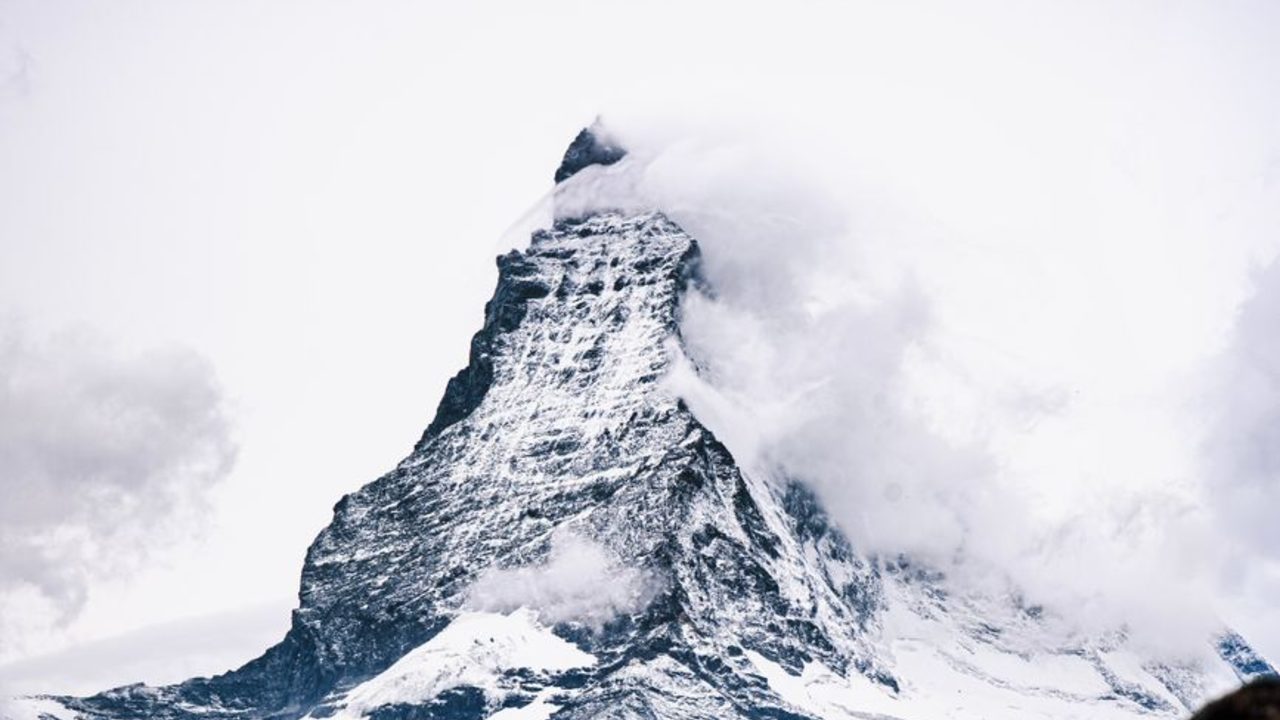
Fresh footage from webcams near the Matterhorn shows that by late September the famous peak on the border between Switzerland and Italy has lost almost all of its snow cover. White patches remain only on the mountain's highest sections and in spots that rarely see sunlight.
Experts say the cause is the unusually warm weather that has persisted in Switzerland since spring, combined with an almost complete absence of heavy snowfall. During warm spells the zero-degree line rose to extreme altitudes, causing mountain snow to melt quickly while fresh snow simply had no chance to settle.
The Matterhorn's own shape plays a part as well: its steep rock faces hold snow far less effectively than gentler slopes, so after a long snowless spell the mountain is laid bare faster than other peaks. Even so, experts describe the current extent of bare rock in late September as unusual.
“The absence of snow above 4,000 meters at this time of year is highly unusual,” geomorphologist Jan Blöthe of the University of Freiburg told the German outlet Bild. According to him, the prolonged heat is affecting not only snow cover but also glaciers and mountain permafrost.
Scientists note that this fits the broader picture of long-term warming in the Alps. “The situation is abnormal, but it isn't a catastrophe. It's a manifestation of the current climate warming, which has been accelerating for about 15 years now,” says Werner Bätzing, professor emeritus of geography. He adds that the warming is also linked to more frequent extreme events — including rockfalls on the Matterhorn, which led to the mountain being temporarily closed to climbers over the summer.
A significant snowfall can transform the mountain's appearance within hours or days, and light snow is expected on some of the highest Alpine peaks around the turn from September into October. However, forecasters are not predicting any substantial improvement for now: relatively warm, dry weather is expected to return soon. As a result, the Matterhorn's unfamiliar bare slopes could persist into the first days of October.
Source: novinky.cz