How Czech startup FTMO bought global broker OANDA and adapted
USD 21,69
Popular
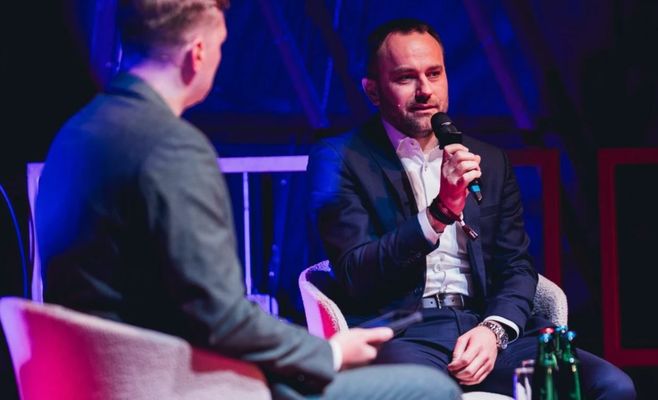
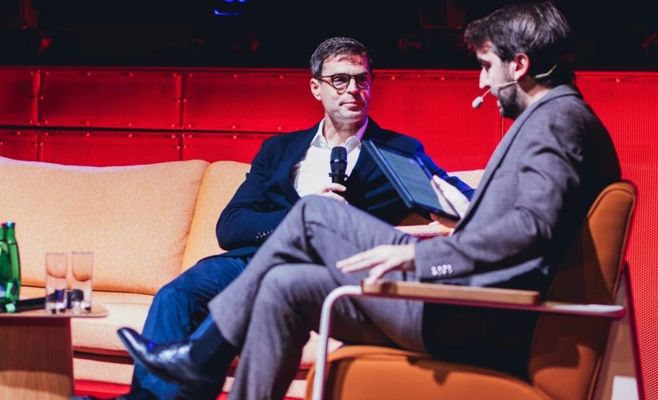
Czech startup FTMO has pulled off a deal few expected from a local company: it acquired OANDA, one of the world’s oldest and most respected brokers, regulated by eight different authorities across multiple jurisdictions. FTMO’s chief operating officer, Pavel Dušek, spoke about how the integration of two utterly different cultures — a startup and a tightly regulated corporation — is unfolding.
FTMO grew from a student idea into a global leader in modern proprietary trading in under a decade. Once organic growth was no longer enough, the company took a bold step and bought OANDA, a broker with a thirty-year history and a far larger headcount.
According to Dušek, both companies remain independent, each keeping its own identity and its own rules of the game. But the deal set off a process that, as COO, interests him even more than the acquisition itself: two very different worlds are learning from each other, even as each keeps playing by its own rules.
The goal of the alliance is to build, together with OANDA and the company Quantlane, a global trading holding — an ecosystem where a trader can go from their first steps in proprietary trading with virtual capital all the way to professional trading with their own money on the market. Buying OANDA delivers exactly the kind of regulated venue that a trader looking to work with real money naturally gravitates toward.
Dušek admits that acquiring a company is only the first step. The real work begins after the deal, once you have to get to grips with the day-to-day practice of the business you’ve bought. FTMO is used to operating as an agile startup, able to speed up internal processes and settle matters “the same day.” OANDA, by contrast, operates under the oversight of regulators in eight jurisdictions — from Britain’s FCA and America’s NFA to Singapore’s MAS — where any product change has to pass through compliance, lawyers and lengthy approvals. What takes a week at FTMO can drag on for months at OANDA.
The customers themselves differ too: FTMO works with traders honing their skills through modern proprietary trading, while OANDA has spent years building relationships with retail and institutional clients who need a regulated broker to trade their own capital.
As Dušek notes, FTMO is learning regulatory compliance from OANDA, along with how to work with institutional clients and serve customers across different jurisdictions. OANDA, meanwhile, is seeing up close for the first time what it looks like to onboard tens of thousands of new clients a month and to iterate on a product quickly without lengthy approvals.
One of the first discoveries for the FTMO team was that OANDA isn’t a single company but eight separate regulated legal entities in New York, Toronto, London, Warsaw, Singapore, Tokyo, Sydney and the British Virgin Islands. In each country it’s effectively a separate firm with its own regulator, licence and capital requirements, which means the integration isn’t a single step but eight parallel processes, each with its own lawyers and rules.