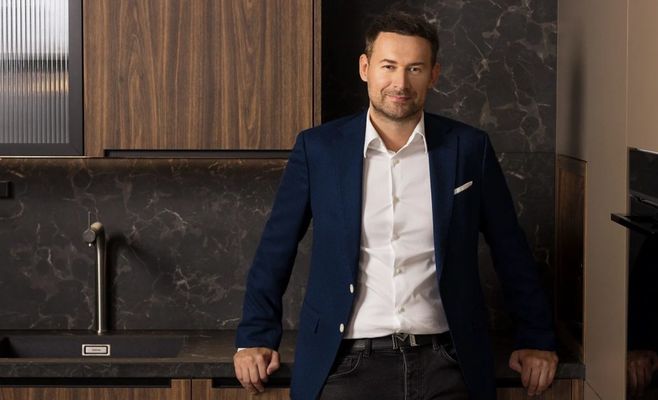
Michal Zahradníček: the Czech biotech investor easing human suffering
USD 21,68
Popular
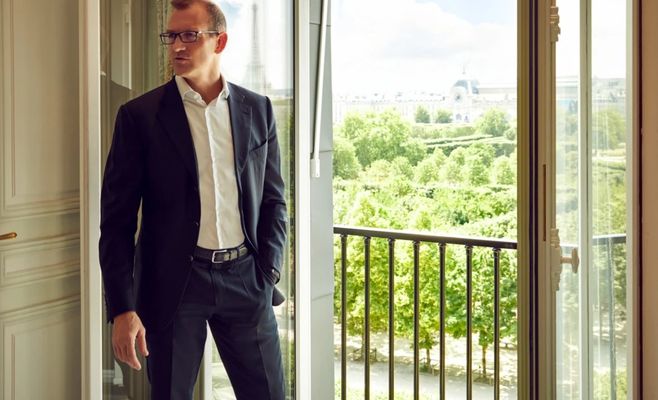
Michal Zahradníček is the co-founder of biotech company Primecell and venture fund Life bioCEEd. Fifteen years ago he left a successful IT business behind for regenerative medicine. Today his projects have invested roughly two billion crowns in biotechnology, and the venture fund around five hundred million.
Zahradníček explains his decision to switch fields with a simple phrase he once heard from an MBA lecturer: “Innovation is the only legitimate right to profit.” That is why he decided to pursue something truly groundbreaking — regenerative medicine, a field he says he has practically grown up in.
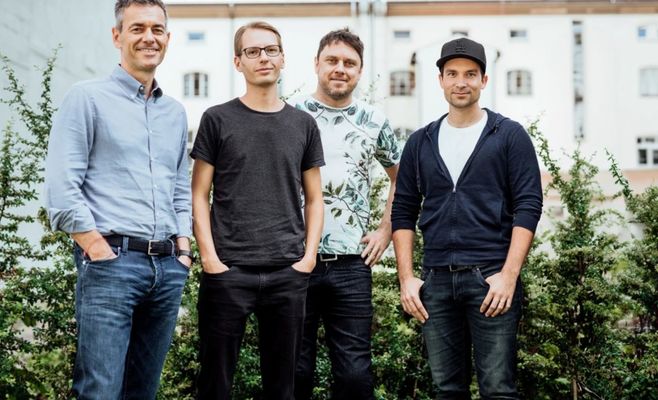
What at first looked more like altruism and philanthropic support for basic research gradually began to pay real dividends. Together with partners Dušan Palcr and Libor Hledík, through the Brno Science Club project, Zahradníček supports inventors and scientists with unconventional ideas that fall outside the mainstream.
“New technologies and innovation can improve quality of life and reduce suffering,” the entrepreneur believes.
Primecell has long worked with universities and the Academy of Sciences. Today it covers a broad range of fields within regenerative medicine: it runs its own tissue bank, handles tissue collection and processing, and works with cells and genes. The investment fund, meanwhile, focuses exclusively on promising discoveries from basic science — a field that is extremely risky from an investment standpoint.
For this project Zahradníček has joined forces with Gernot Mittendorfer, former head of Erste Group and Česká spořitelna, Martin Albert, a specialist with extensive experience in the pharmaceutical industry, and Miroslav Havlíček, owner of the company Medin.
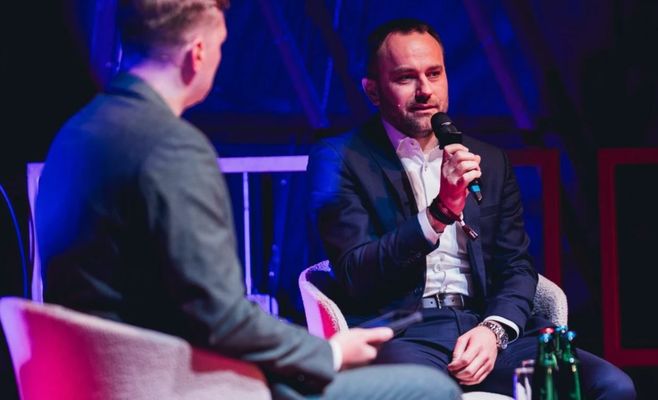
“In the fund’s first year and a half we reviewed five hundred research projects. Ten got the green light. And we’ve already invested in seven of them. Interestingly, we’ve quite naturally shifted our focus from Central and Eastern Europe toward Western Europe. We’re now preparing a major investment project with, arguably, one of the best universities in Europe,” Zahradníček said.
He has managed to bring together, within biotech projects, investors from Penta, family-fund managers, private investors and, as he puts it himself, business friends who share a similar outlook on the world.
Besides biotechnology, Zahradníček has long supported other initiatives as well — among them the Czech Paralympic Committee and the Bohemian Heritage Fund. Primecell itself, for instance, helped fund treatment for patients with so-called butterfly disease, a rare genetic skin disorder.