Vít Horký of United Founders: how Europe can keep its startups
USD 21,76
Popular
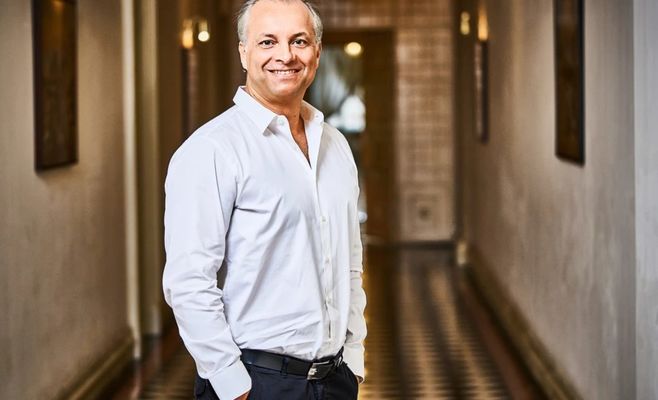
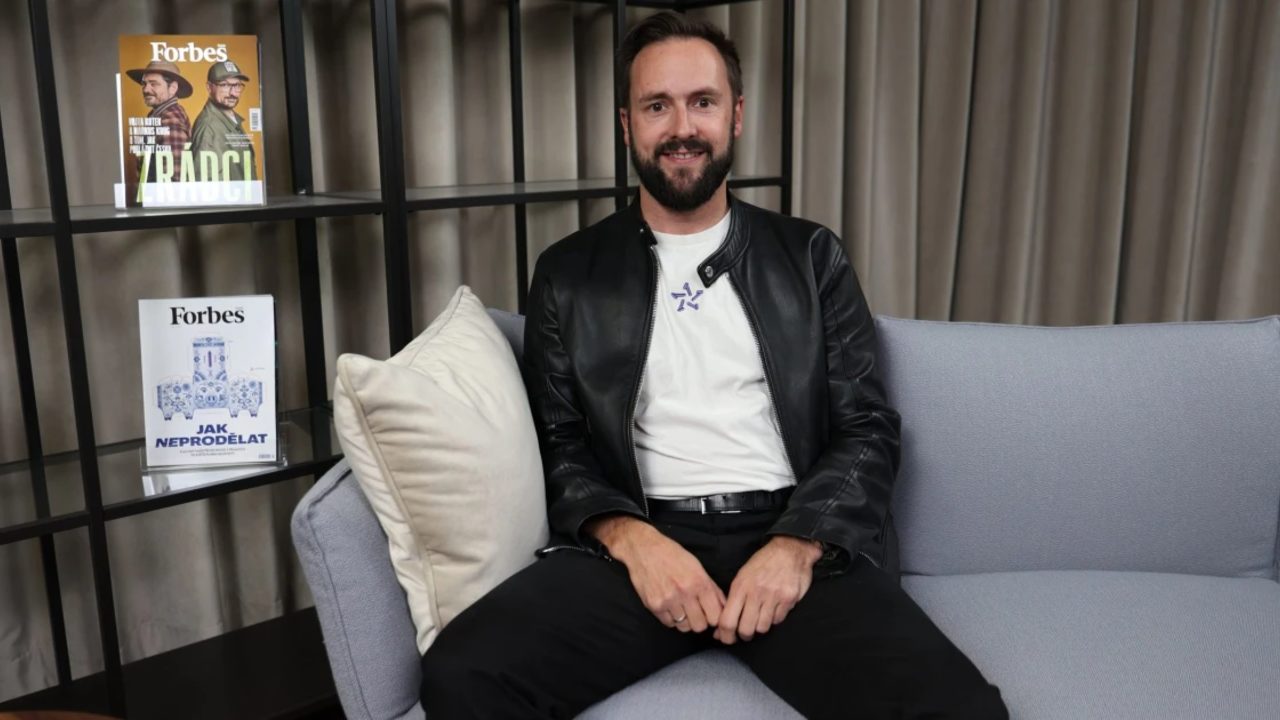
Vít Horký, founder of the venture fund United Founders, is convinced that Europe still has a chance to play in the top league. To do so, it must stop underestimating itself and create conditions in which successful European companies remain European.
Horký has been in business for more than 25 years. He is a co-founder and longtime head of the technology company Brand Embassy, which the Israeli group NICE acquired in May 2019. He built the company with a friend starting in 2011 and sold it eight years later. To do so, he worked up to sixteen hours a day, drinking six cans of Red Bull and six cups of coffee. “I was badly worn out by stress, but I loved it,” he recalls. The pace eventually hit his health: Horký ended up in a London hospital.
After selling the firm, he tried to slow down but realized that life without new challenges did not fulfill him. The difference is that he is now driven not by a desire to compete with others but by what truly makes sense to him.
That is how United Founders came about — a pan-European venture fund that Horký officially launched a year ago. The team has thirteen people in nine locations across Europe. Instead of a single head office, the fund tries to be as close as possible to startup founders in each country.
The investor's role matters too, in a different way. “The investor is very often not the smartest person in the room. They often know less than the founder about what to do with the startup,” says Horký. The fund believes in founders from the very start, when they have little to show, and during the company's first twelve months helps connect them with the right people, customers, partners and other investors.
The fund is backed by the region's most successful tech entrepreneurs: Jakub Havrlant of Rockaway Capital, Richard Valtr and Jan Široký of Mews, and Zdeněk Cendra of CDN77. “We stand on the shoulders of the best tech entrepreneurs of the past fifteen years, and I am immensely grateful for that,” Horký admits.
One example is the investment in Wonderful AI, which deploys artificial intelligence in large companies. According to Horký, its valuation exceeded five billion within a year and a half, and it is now one of Europe's fastest-growing AI companies. Rather than betting on purely digital solutions, the company hires hundreds of specialists who help businesses in different countries adopt AI on the ground and teach employees to work with it. The combination of modern technology and personal contact is what caught the investor's attention.
Experience tells Horký that personal relationships and physical proximity matter in investing more than ever. AI raises efficiency, but it cannot yet replace trust between people.
He also points to the problems of Europe's tech ecosystem: fragmentation, a shortage of capital and legal barriers. He considers a single European corporate regime one of the key changes, one that would make it easier for startups to operate across the whole continent. Today many European companies with global ambitions register in Delaware in the United States, where, in investors' view, the legal and investment environment is more favorable.
“We build phenomenal businesses in Europe, but when we succeed, we gradually turn into American companies. And if we don't, it's a European failure,” he sums up. Horký also considers Europe's excessive dependence on foreign technology dangerous: most of the continent's cloud infrastructure is controlled by American companies.
Why he sees opportunities in robotics, where he looked for people to join the team, how much the fund is aiming to raise and why he does not know how to hit the brakes — Horký talked about all of this in a new episode of The Forbes Show podcast.
By the Around Prague newsroom