Sensible Biotechnologies raises $47M for mRNA cancer therapy
USD 21,86
Popular
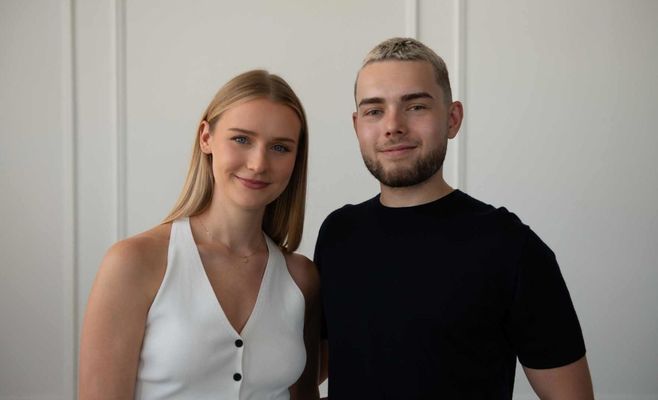
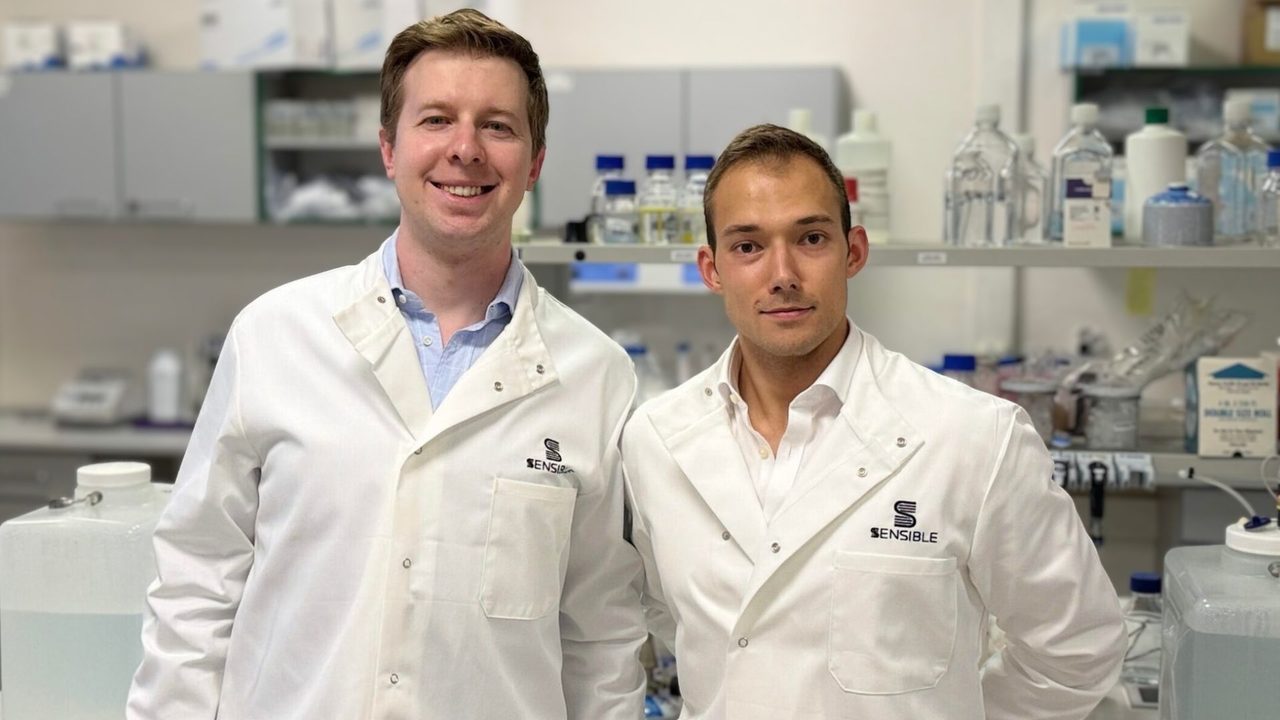
Slovak startup Sensible Biotechnologies, founded by Oxford graduates Miroslav Gašparek and Mariana Kupčulak, has raised $47 million (about CZK 1.02 billion) to develop its mRNA production platform. Instead of classic synthesis in test tubes, the company grows mRNA inside living, genetically modified cells.
Many people first heard of mRNA technology thanks to Covid vaccines, but scientists have been studying it for around forty years. The current production method barely scales, which holds back the use of mRNA in treating other diseases. One-off vaccines need only a little material. Advanced therapies for cell treatment and gene editing require far larger, often repeated doses and a much purer product. Classic synthesis cannot deliver that quality and is also very expensive: it depends on costly enzymes, nucleotides and clinical-grade DNA.
Gašparek, the company's CEO, and Kupčulak took a different path. The Vector platform combines genetically modified cells, artificial intelligence for designing sequences and automated testing. In trials, the cell-derived material showed no detectable double-stranded RNA, which usually triggers unwanted immune reactions. Protein expression was higher than with synthetic mRNA, and the system now produces about a thousand sequences a week.
“In many ways we are going completely against the current. We believe mRNA-based drugs need an entirely new paradigm that goes beyond the old manufacturing model. The future of biotech lies in fully integrating the whole value chain, from computational design to clinical-grade production,” Gašparek explains.
Both founders studied at Oxford. Gašparek brought an engineering view from synthetic biology to the company, Kupčulak expertise in molecular genetics. Besides its headquarters in Bratislava, the startup has an office in Oxford and a production site in eastern Slovakia. The company currently employs about 55 people.
The new capital combines private and public money: up to $20 million came from the Slovak government and the European Union. The Series A round was led by the British fund Oxford Science Enterprises, joined by OTB Ventures and In-Q-Tel. The startup was previously backed by the Slovak fund Zaka VC and Andrej Kiska, a former partner at Credo Ventures. The new investors also include the Czech funds Kaya VC and Tech Horizons from the group CSG of Michal Strnad, the richest Czech. For Strnad, who has mainly worked in defense technology, the move into biotech is a new direction.