Czech investor Kijonkova backs US robotic surgery startup

USD 21,52
Popular
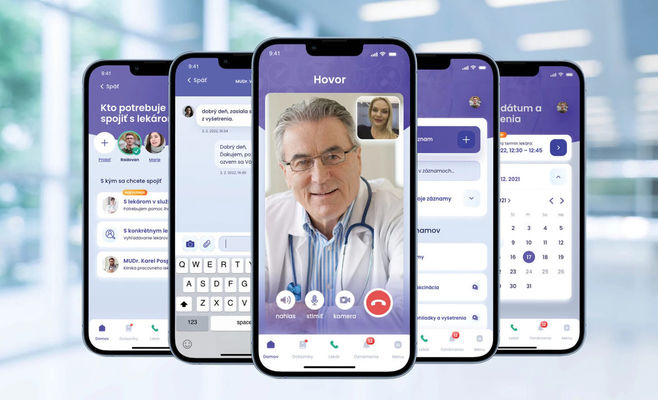
Zasilkovna founder Simona Kijonkova has invested tens of millions of crowns, through her fund JSK Investments, in the American startup Andromeda Surgical, which is developing an autonomous surgical platform. The project's goal is to shorten the long “learning curve” for complex operations and reduce patient waiting lists for surgery.
San Francisco-based Andromeda Surgical has raised $30 million from investors in total (around 630 million crowns). In the latest, $15 million round, JSK Investments took part with a sum in the tens of millions of crowns, according to CzechCrunch. “Investing in Andromeda Surgical combines two of our long-standing investment priorities — healthcare and advanced technology,” Kijonkova said of the deal.
The 49-year-old entrepreneur is investing proceeds from the sale of Zasilkovna into startups. According to Petra Ciglarova, JSK Investments' director of startup investments, the decision was driven by a combination of an experienced founding team, a clinically validated product and a clearly defined problem of global scale.
“Surgical robotics today can improve precision and ergonomics, but still faces a shortage of trained specialists and long training times,” Ciglarova explains. Andromeda's platform solves this problem through software and is able to learn from every operation it performs.
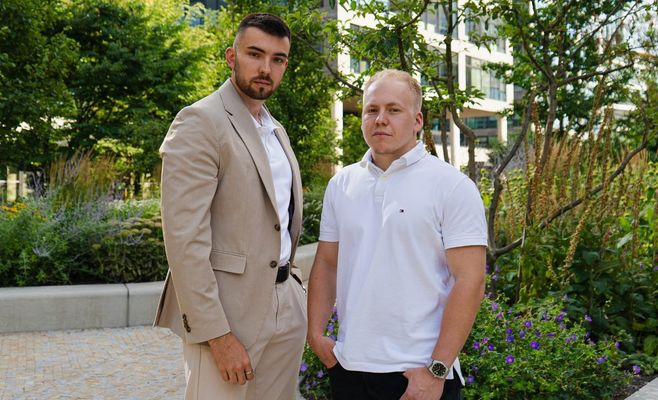
The startup was founded in 2023 in San Francisco by Nick Damiano and Kartik Tiwari, who met through the well-known accelerator Y Combinator. The company's first focus is the urological procedure HoLEP (holmium laser enucleation of the prostate). The Andromeda system has already assisted urologists in more than forty operations across three countries, cutting procedure time to thirty minutes from the usual ninety.
Andromeda chief Nick Damiano believes surgery is a $3.7 trillion market where autonomous technology will find even wider application than in self-driving cars. The latest Series A round was led by Standard Capital, with participation from Y Combinator, Vox Capital, Lingotto Innovation, Alumni Ventures, WestWave Capital and others. The startup has already received regulatory approval to enter the Canadian and New Zealand markets, with the first commercial deliveries to hospitals expected soon.