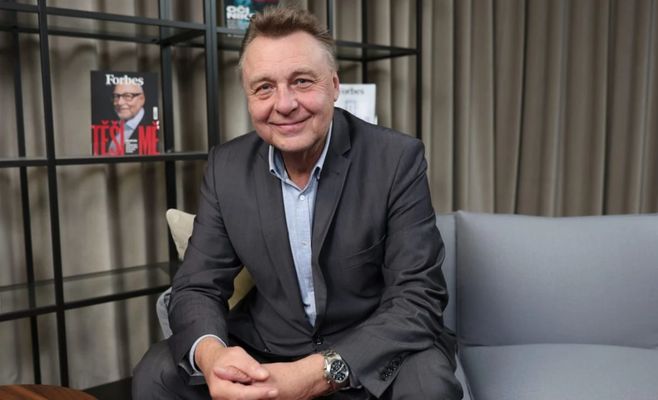
Zbyněk Frolík and Linet: a Czech billionaire's family succession
USD 21,80
Popular
Czech billionaire Zbyněk Frolík, founder of the hospital bed maker Linet, handed operational management of the company to Tomáš Kolář in 2019, and it is one of the most successful examples of generational change in a Czech family business. Today Linet employs about 2,000 people, and its annual revenue is almost CZK 10 billion.
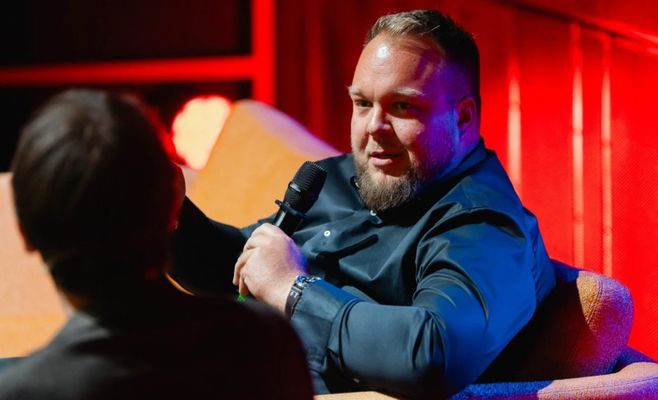
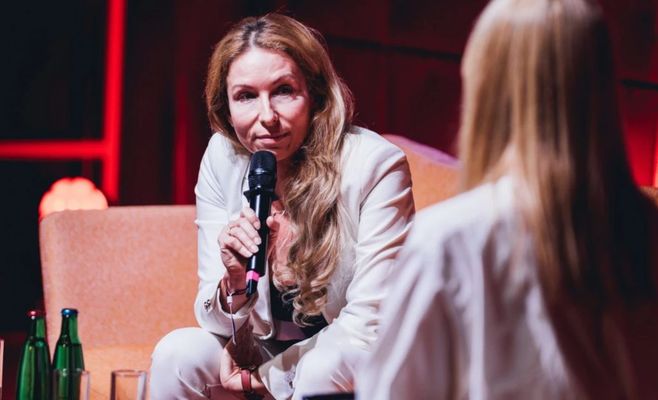
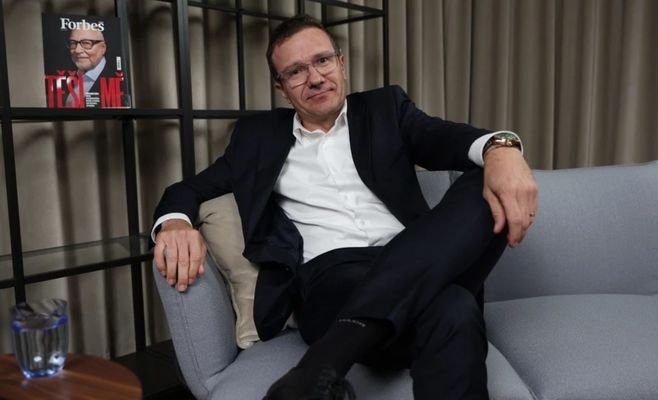
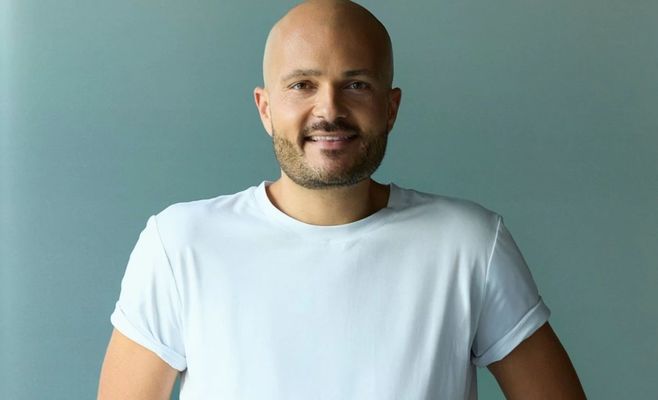
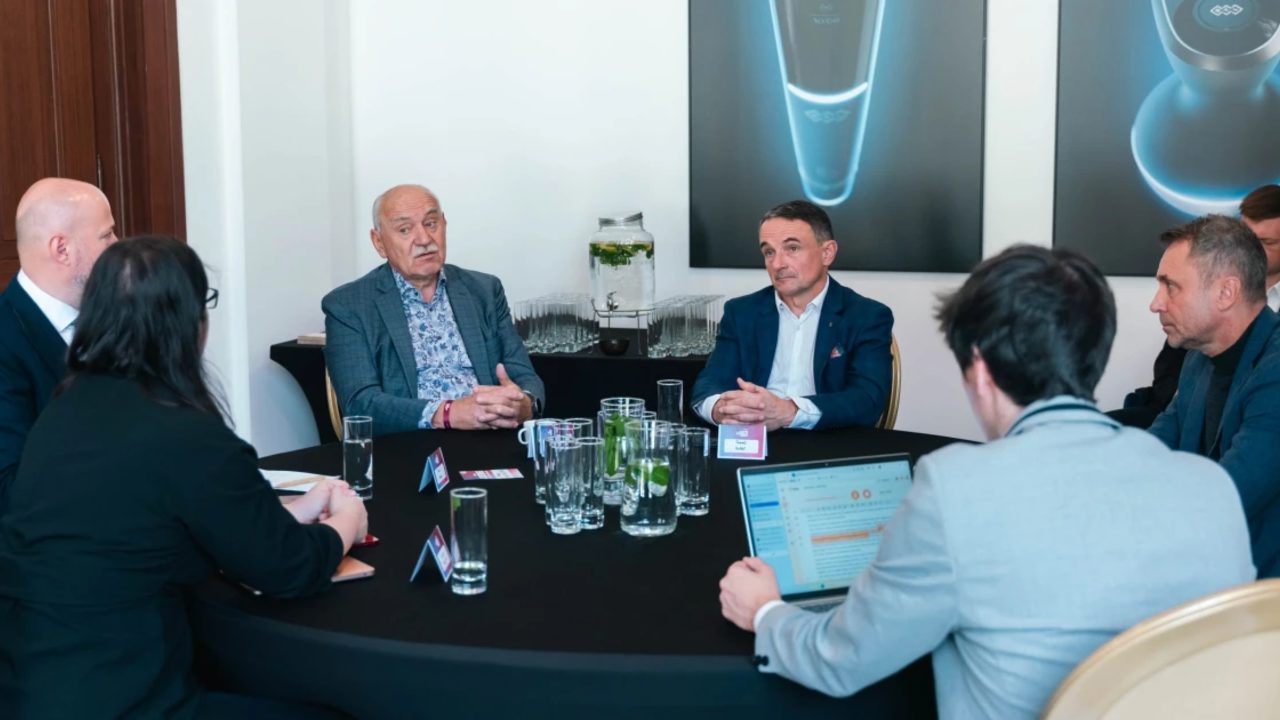
The story was shared at the Forbes “Best Czechia” conference in October. Around one table sat Frolík; Linet’s current CEO, Tomáš Kolář; Ivo Ulich, co-owner of the family pen maker M&T, for whom generational change still lies ahead; and Pavel Plachý, who helps owners choose top managers and prepare the handover of leadership.
The first business trip ended in a cell. Kolář recalls that two months after joining Linet he went to an exhibition in Russia. His carry-on held about ten devices, and at a Russian airfield they were treated as contraband, so the young graduate ended up in a cell. He never imagined then that he would one day lead the whole company. But the episode shows the main point: Frolík gave him independence from the very start. According to Kolář, his boss would drop a task on his desk and vanish for a couple of weeks, and he had to figure out what to do on his own.
You have to start early. “The most important thing in handing over a firm is to start in time. After fifty, heart attacks come, and it is foolish to die not knowing how things will turn out. Besides, money very often tears families apart,” says Frolík. He realized long ago that his children would not take over Linet, but he was not upset: in his conviction, a company should be run by a quality manager, not by the owner’s “kid.”
Builders and consumers. Frolík divides people into “builders” and “consumers.” The former have an engine inside them to develop and create; the latter live mainly for their own lives. He has no reproach for the consumers, but at Linet he bet on those who had worked at the company from the start and were morally, technically and by character capable of developing it.
Communication is key. In choosing a successor, Frolík placed great importance on emotional intelligence, which the company systematically developed among both factory and office staff. He himself realized that to influence anything, you have to be able to explain. That is why he often gave lectures at universities and advised Kolář and other colleagues to do the same. “You learn to receive feedback,” he says. Kolář followed the advice.
A choice between two. Frolík chose his successor from two candidates. The other was “magnificent in character, exceptionally capable, very ambitious and diligent, but unable to delegate properly.” And the ability to distribute work and check results becomes ever more important as a company grows. Frolík let people inside the firm know in advance who might succeed him, and the chosen person’s career advanced accordingly. Importantly, Kolář was recognized as a natural leader by the other employees as well.
By the Around Prague newsroom