Zhu Yiming makes $12 billion in a day on chipmaker CXMT's IPO
USD 21,66
Popular
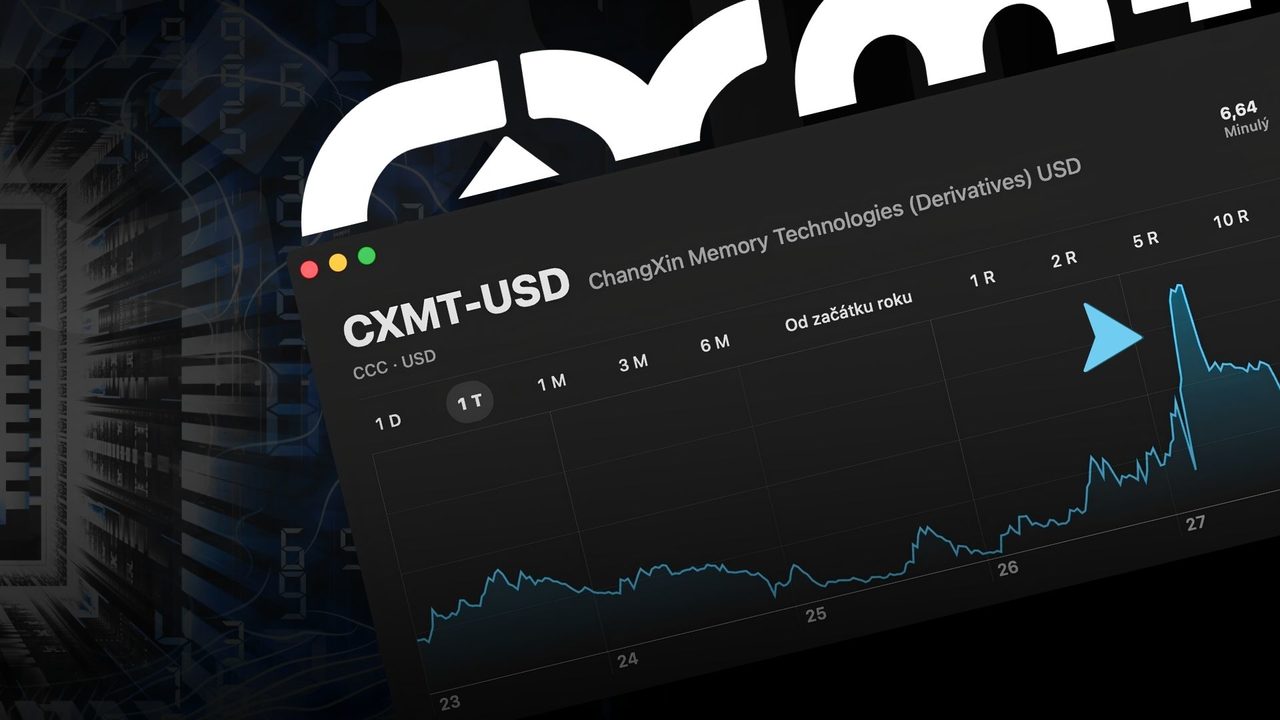
Chinese memory maker CXMT carried out the largest Asian IPO of the year, raising 200 billion crowns, and on its very first day of trading on the Shanghai exchange its shares soared by 466%. The biggest beneficiary was the company's chairman, Zhu Yiming, whose fortune grew by $12 billion in a single day — roughly 250 billion crowns.
CXMT shares opened at 8.66 yuan (about 30 crowns) and closed at 49 yuan (around 153 crowns). The surge instantly pushed the company to the top of the Chinese stock market, overtaking even Intel by market value — CXMT's valuation hit 10 trillion crowns after its first day of trading.
Although the 54-year-old Zhu holds only a small stake in CXMT, his total net worth, according to Forbes, has reached $15.9 billion (about 337 billion crowns). Besides CXMT, he owns shares in GigaDevice, a flash-memory maker he founded back in 2004 that also trades in Shanghai.
Zhu earned bachelor's and master's degrees in physics from Beijing's Tsinghua University, then studied electrical engineering at the State University of New York, but didn't finish the program. After working in Silicon Valley, he decided to return to China, believing the opportunities at home were far greater than in the US — at the time, the country imported more than 90% of its memory chips.
He first addressed that gap through GigaDevice, and in 2016 he struck a deal with the authorities of the city of Hefei to build a plant that later became CXMT. CXMT bought up a number of patents from the bankrupt German company Qimonda and began recruiting engineers from around the world — though that also brought suspicions of intellectual-property theft: several Samsung employees linked to Zhu's company ended up under arrest. The US blacklisted CXMT over possible ties to the Chinese military.
Despite the controversies, CXMT's major shareholders include the state-backed Big Fund chip fund and Alibaba's cloud unit. The company burned through billions of dollars for years, but the turning point came last year, when it posted a profit for the first time amid explosive demand for memory for data centers and AI models.
CXMT's revenue is forecast to reach 380 billion crowns in the first half of the year — more than seven times last year's figure — while net profit could total up to 235 billion crowns. Experts expect the memory shortage to persist even beyond 2030, meaning years of solid growth likely lie ahead for Zhu and his company.