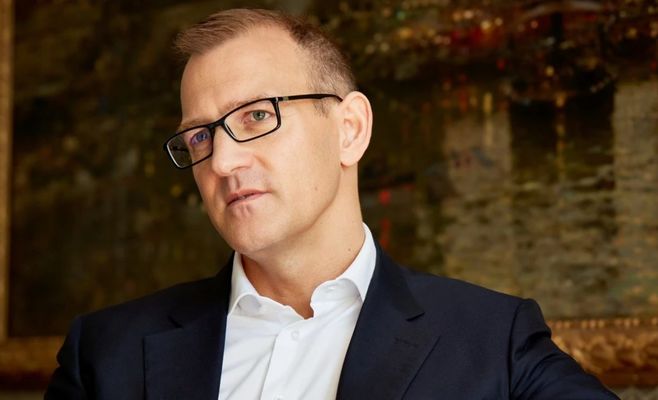
Yang Zhilin: the AI genius who turned down Apple for a startup
USD 21,66
Popular
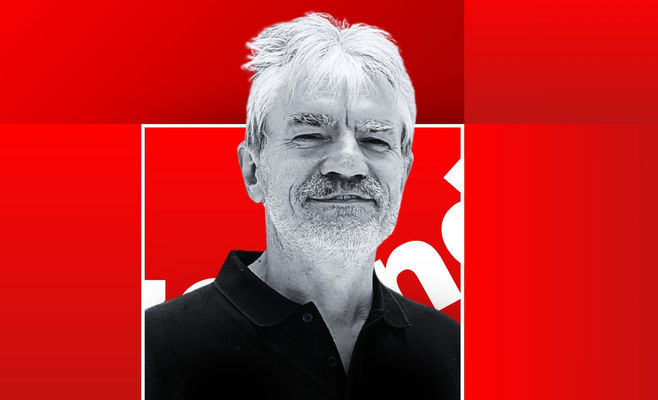
Yang Zhilin is the 34-year-old founder of the Chinese startup Moonshot AI, whose Kimi K3 model outperformed Silicon Valley's top offerings at coding and sent shockwaves through the entire AI world. His company is now preparing a new funding round at a valuation of around $50 billion — almost a trillion Czech crowns.
Yang's story deserves a book of its own. Back in school in Beijing he showed an extraordinary talent for programming and won China's computing olympiad, which opened a direct path to the prestigious Tsinghua University. There he didn't just excel at computer science — he also played drums in a rock band called Splay, combining rigorous logic with an artistic streak. Friends remember him as a genuine phenomenon: a talented romantic and idealist.
Yang later moved to the United States, where he worked on a PhD at Carnegie Mellon University, interned at Google and Meta, and took part in research that still shapes the development of large language models today. His talent caught the eye of the biggest tech corporations, and none pursued him more aggressively than Apple, which offered him a senior position reporting directly to Tim Cook's team and even the option to work from a Beijing office.
Yang turned it down. According to his former professor Ruslan Salakhutdinov, Yang said he would have regretted it for the rest of his life if he hadn't at least tried to build his own company.
In early 2023 he founded Moonshot AI in Beijing, immediately stamping the company culture with his love of rock music — the name itself was inspired by a Pink Floyd album, and the meeting rooms are named after other rock bands.
The start was rough: the first version of the Kimi chatbot was plagued by glitches, and more aggressive rivals were pulling users away. In 2024 the company faced an existential crisis — spending on model training and engineers' salaries kept rising while revenue failed to keep pace. All the attention at the time went to rival DeepSeek, and many Chinese startups dropped out of the AI race.
Yang chose a different path: he abandoned premature commercialization of the chatbot and poured all resources into training genuinely large-scale models, while also betting on open source by making the models available to developers. That decision proved key to keeping the team together — unlike corporations such as Alibaba, where researchers left over pay disputes, Yang offered his people the freedom to pursue their scientific ambitions.
The bet paid off: the release of the Kimi K3 model became a sensation, and after the new funding round Moonshot AI's valuation could reach $50 billion.