Old apple orchards matter more than organic status: Brno study
USD 22,28
Popular
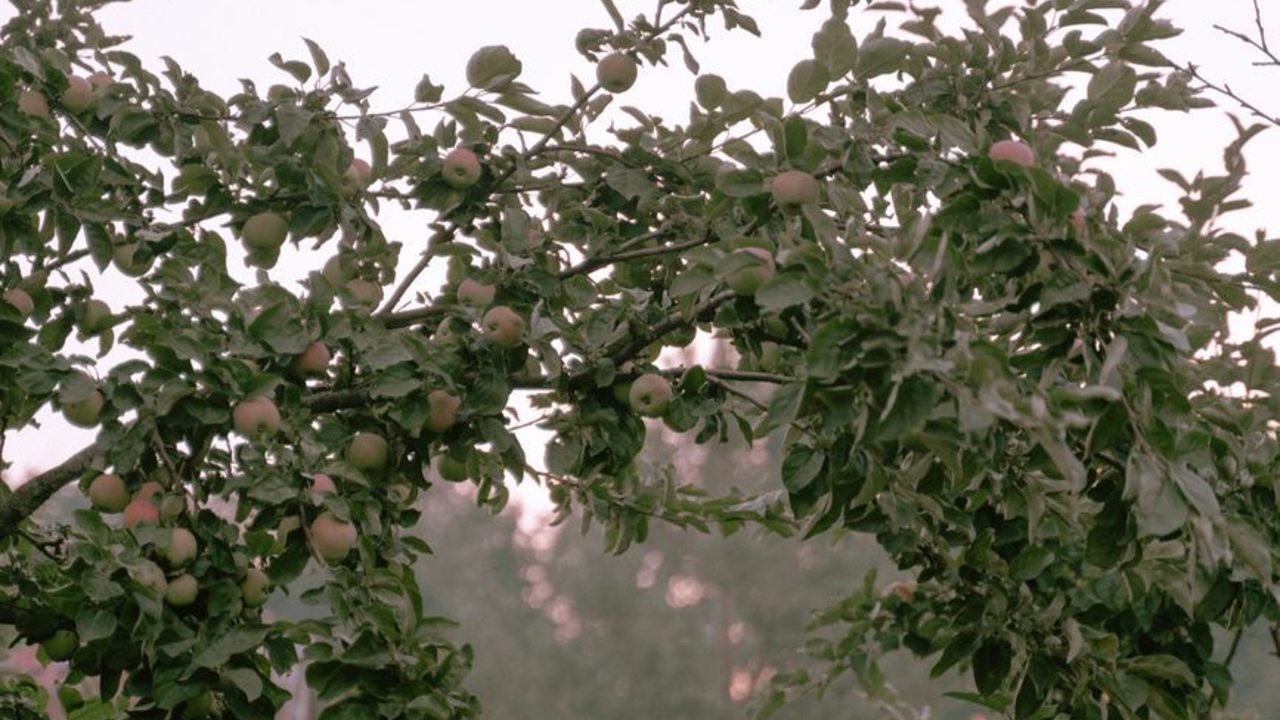
Scientists in Brno have found that moths need old trees with cracked bark more than they need organic certificates. In 18 apple orchards in Moravia and around Hradec Králové, the most species were found in abandoned orchards with trees more than 30 years old. The results were published in the journal Insect Conservation and Diversity, issued under the auspices of the Royal Entomological Society of Great Britain.
The study shows what a truly eco-friendly orchard should look like. “Green” farming methods alone are no longer enough: an orchard also has to be friendly to nature, and perfectly tended young plantings aimed solely at yield do not meet that standard.
How the study was carried out
The scientists used automatic ultraviolet light traps. They compared three types of orchards: conventional commercial orchards with integrated production, meaning regulated use of chemicals; certified organic (bio) orchards; and old extensive orchards. In the latter, the trees have not been pruned and no chemicals have been used for at least five years, and the trees are more than 30 years old.
In total, they caught 6,439 individuals belonging to 374 species of moths.
Organic orchards turned out to be no better
The result was unexpected. It is commonly assumed that organic orchards, thanks to strict limits on chemicals, hold noticeably more insects, and that this is what entitles them to subsidies.
“In terms of the total number of moth species, there is no statistically significant difference between organic and integrated orchards. The species composition differs, and organic orchards are locally more diverse, but both types of commercial orchards are too ‘tidy’ and uniform from an environmental point of view,” said David Kaha, speaking on behalf of the research team at the Faculty of Agronomy.
Why old trees matter
By a wide margin, the most species live in old extensive orchards. Young trees with smooth bark are of no use to moths. Slow-growing lichens and mosses grow only on old trees with cracked bark, and a whole group of moths is closely tied to them, for example the lichen-feeding owlet moths. The insects lay their eggs in them, and the caterpillars feed on these lichens.
In the scientists’ view, the findings can be used in agricultural policy. Subsidies should go to orchards that deliberately leave individual old trees as biocentres, sow flowering grass strips or use mosaic mowing.
Around Prague guide on the topic: Christmas markets in Czechia 2026 outside Prague: Brno, Olomouc, Krumlov, Plzeň, dates and hours
Around Prague, based on reporting by novinky.cz