Science & Space By

Beaver Supermoon Rises Nov. 24 With Orange Glow and a Star Cluster Nearby
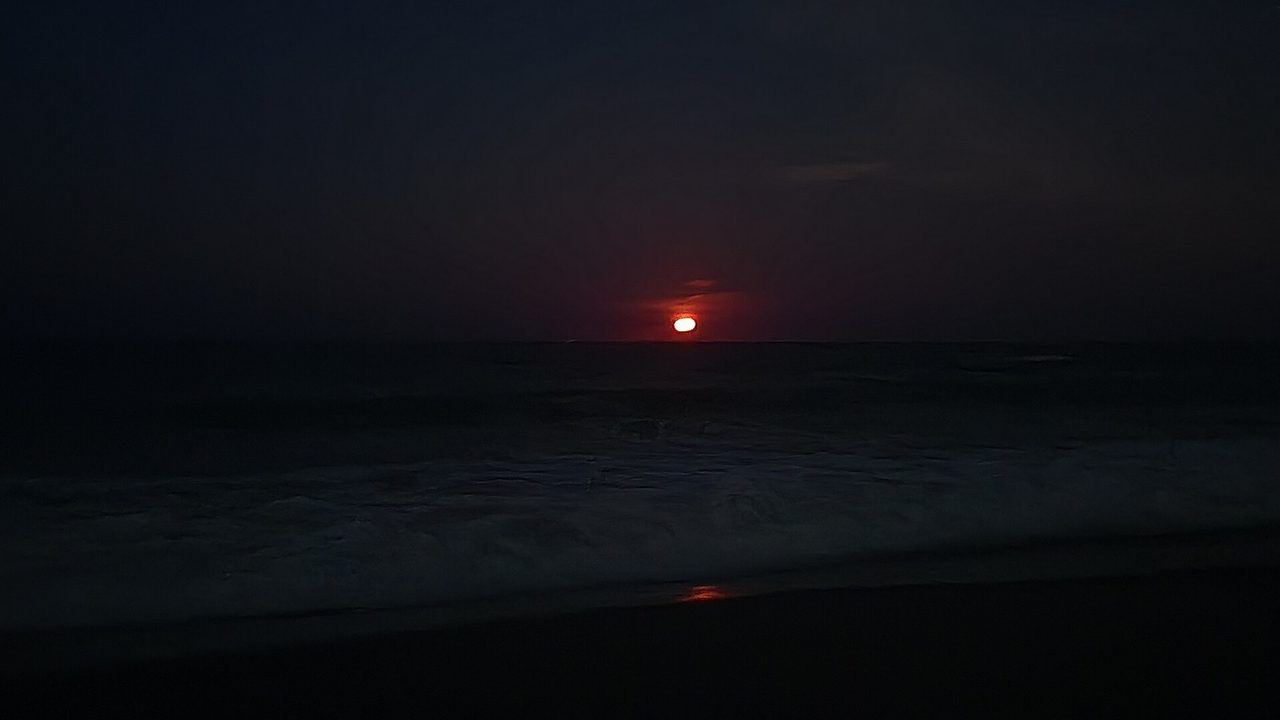
November's full moon, known as the Beaver Moon, is also a supermoon, and skywatchers in the United States can catch it low in the eastern sky shortly after sunset on Nov. 24, according to Space.com.

The moon officially turns full at 9:53 a.m. EST (1453 GMT) on Nov. 24, when it is below the horizon for viewers in the U.S. That means the best view comes in the evening, as the moon climbs from the horizon.

Why this full moon is called a supermoon

Space.com explains that the moon turns full while within 90% of perigee, the point in its 27-day elliptical orbit where it is closest to Earth. That qualifies it as a supermoon.

The outlet says a supermoon can look 30% brighter and 14% larger than the most distant full moon of the year, which is informally called a "micro-moon." The "Beaver" name is a traditional label. Space.com says it comes from the time of year when beavers are busy building lodges ahead of winter.

What this means for skywatchers on Nov. 24

No special equipment is needed. Space.com advises looking toward the eastern horizon soon after sunset, when the moon will sit low in the sky. The outlet recommends checking a moonrise and moonset tracker, such as the one from Time and Date, for exact times at your location.

If clouds or schedules get in the way, there is some slack. Space.com says the moon will look full to a casual observer for a couple more nights.

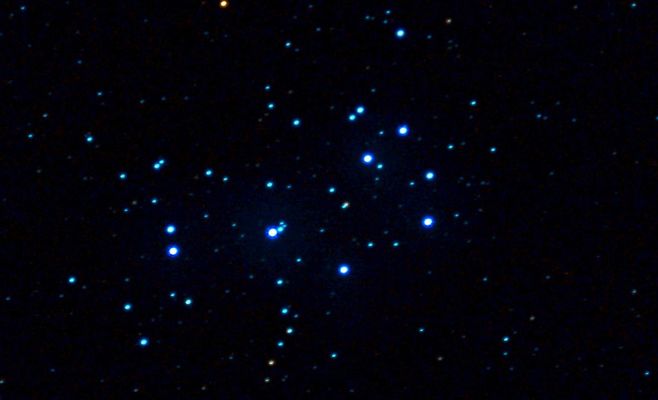
The outlet also points out a possible bonus. Blocking the moon's glare with your thumb may let you see the Pleiades star cluster, which looks blue-white and sits less than 10 degrees from the moon. That is roughly the width of a clenched fist held at arm's length.

Why the moon may look orange and unusually big

Two effects can shape what you see near the horizon, according to Space.com.

Space.com adds that the rising moon makes a good photo subject. It invites readers to send their own pictures, with their name and location, to the outlet.

Around Prague, based on reporting by Space.com

Cover photo: Mitch199811 / Wikimedia Commons, CC BY-SA 4.0, cropped

Share: Telegram WhatsApp

More science news

Ice Baths Ease Sore Muscles for Up to Four Days, but May Cost Strength Gains
Ice baths do ease muscle soreness after exercise, but the timing and the type of workout matter, according to a large new review. ScienceAlert reported that the analysis, published in Sports Medicine
Webb Telescope Finds Dust Clues That a Star's Layers Merged Before It Exploded
A new study using the JWST suggests that the massive star behind the supernova remnant Cassiopeia A went through a "shell merger" shortly before it exploded. Researchers reached that conclusion by stu
Liquid Crystal Sail Thinner Than a Hair Could Steer Spacecraft Sideways
Researchers at the Rochester Institute of Technology have proposed a solar sail made from layered liquid crystals, the same family of materials used in flat-screen displays. According to Universe Toda
New Weather Satellite Sensors Aim to Sharpen Forecasts Several Days Out
NASA, acting for the National Oceanic and Atmospheric Administration (NOAA), has awarded Northrop Grumman Systems Corporation a $290.6 million contract to build three new weather-sensing instruments f
What Shroud of Turin DNA Cannot Tell Us About the Cloth's Age
A new genetic study of the Shroud of Turin found DNA from people, microbes, plants and animals, but its authors say the results cannot establish how old the cloth is or whether it is authentic, accord
Supermoon Slides Past the Seven Sisters Star Cluster Before Dawn on Nov. 24
The full Beaver Moon of November 2026 arrives Tuesday, Nov. 24, and it is a Supermoon. Hours before dawn that morning, according to Starlust, the Moon will pass very close to the Pleiades star cluster

Related news

Ice baths do ease muscle soreness after exercise, but the timing and the type of workout matter, according to a large new review. ScienceAlert reported that the analysis, published in Sports Medicine – Open, found that cold plunges after st
A new study using the JWST suggests that the massive star behind the supernova remnant Cassiopeia A went through a "shell merger" shortly before it exploded. Researchers reached that conclusion by studying dust in individual clumps of debri
Researchers at the Rochester Institute of Technology have proposed a solar sail made from layered liquid crystals, the same family of materials used in flat-screen displays. According to Universe Today, the design would let a spacecraft ste
NASA, acting for the National Oceanic and Atmospheric Administration (NOAA), has awarded Northrop Grumman Systems Corporation a $290.6 million contract to build three new weather-sensing instruments for a coming series of NOAA satellites. A
A new genetic study of the Shroud of Turin found DNA from people, microbes, plants and animals, but its authors say the results cannot establish how old the cloth is or whether it is authentic, according to a University of Lancashire summar
The full Beaver Moon of November 2026 arrives Tuesday, Nov. 24, and it is a Supermoon. Hours before dawn that morning, according to Starlust, the Moon will pass very close to the Pleiades star cluster, also called the Seven Sisters, in the
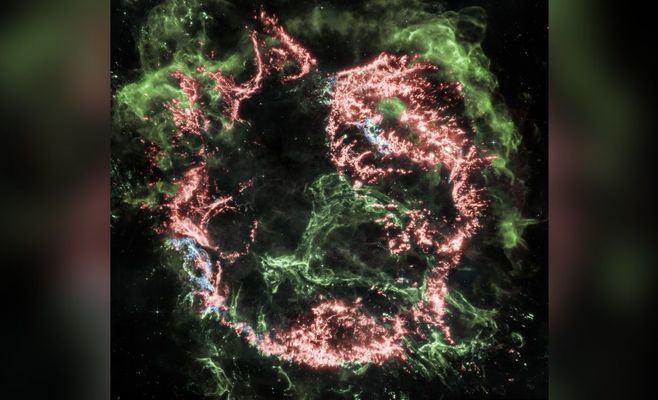
NASA’s James Webb Space Telescope has mapped the dust inside the supernova remnant Cassiopeia A, and the pattern suggests the star’s interior was reshuffled shortly before it exploded, according to NASA. The researchers say the change may h
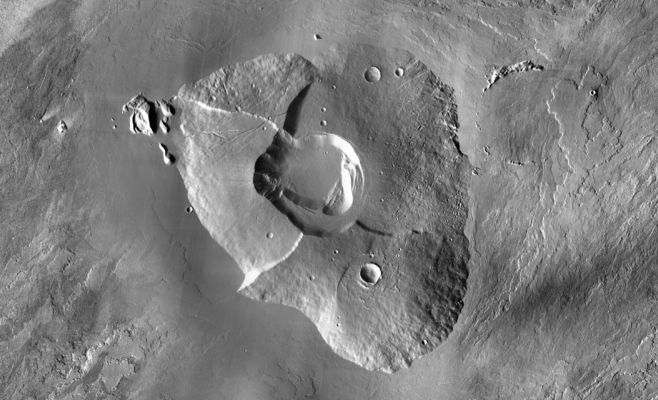
A spacecraft circling Mars has returned new images of Tharsis Tholus, an ancient volcano that is no longer active. According to Space.com, the European Space Agency's Mars Express orbiter captured the views, which show a worn but remarkably
The most thorough DNA analysis of the Shroud of Turin to date has found genetic traces from many people, animals and plants, including crops native to the Americas. According to ScienceAlert, the international team behind the study, publish
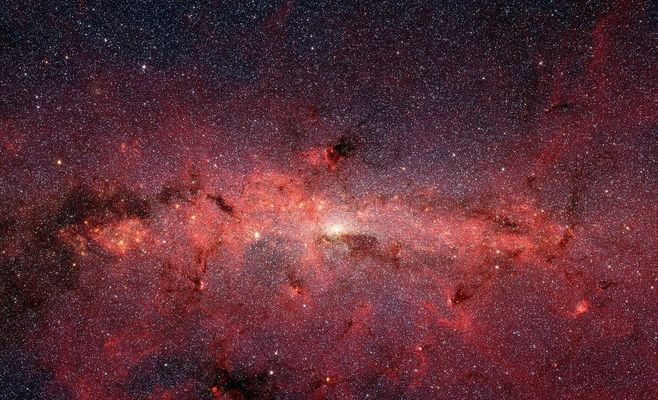
Part of what astronomers have long called the Norma spiral arm of the Milky Way may not be a spiral arm at all, according to a new study in Nature Astronomy. The researchers say it could instead be a region where stars are forming along the
A building block of DNA that looks like a weakness may actually have been a strength. Researchers at Texas A&M University report that thymine, which DNA uses in place of RNA's uracil, appears to channel ultraviolet damage into forms that ar
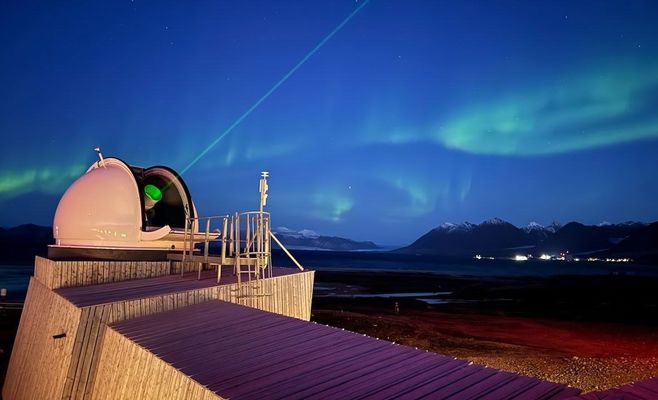
A faster and more precise satellite-tracking laser officially began operating on Oct. 12 at the Ny-Ålesund Geodetic Observatory in Svalbard, Norway, according to NASA. It is the first of NASA's next-generation satellite laser ranging system