Czech National Bank raises rate to 4%: mortgages and savings
USD 21,65
Popular
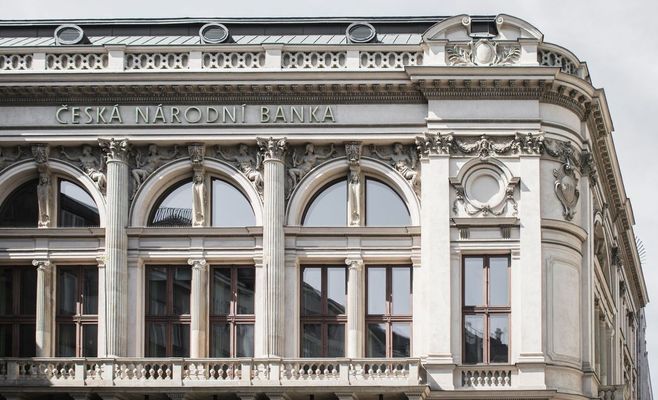
The Czech National Bank (CNB) board on Thursday raised its two-week repo rate by a quarter of a percentage point, from 3.75% to 4%. It is the second hike this year. The market had been expecting it, and banks have largely priced the new rate into their mortgage offers in advance.
According to the CNB, two other rates were raised by 0.25 points at the same time. The Lombard rate, at which commercial banks borrow from the central bank against securities, is now 5%. The discount rate, to which penalties on unpaid loans are tied, among other things, rose to 3%.
How the rate has moved this year
The CNB kept the rate at 3.5% at the start of the year. In June it rose to 3.75% and stayed there in August and September. Now it has reached 4%.
The mechanism is simple. The central bank invites commercial banks to deposit their spare cash with it for two weeks and pays interest on it. The announced repo rate is the upper limit of that interest. When it goes up, loans at banks usually become more expensive and savings more rewarding. People and companies cut some of their spending, the economy cools and inflationary pressure eases.
“Banks have already priced a large part of the increase into mortgages,” said Jiří Piluša, chief financial officer of the developer Neocity.
What is behind inflation
Price pressure is currently noticeable. It comes mainly from more expensive energy, services and housing. Energy prices were pushed up this year by the war in Iran, while services are getting more expensive partly because rapid wage growth is raising companies’ costs. Only cheaper food has been holding prices back, but analysts say that is soon coming to an end.
According to preliminary data from statisticians, overall inflation edged down in October to 2.4%, while services prices rose by 4.5%. So-called core inflation, which excludes energy, food, alcohol and tobacco, remains around 3%. That is above the CNB’s 2% target and suggests that pressure remains strong beneath the headline figures.
What to expect next year
Economists forecast a rise in inflation. Under fairly optimistic estimates, it could reach around 3.5%. Jan Bureš, chief economist at ČSOB, expects energy inflation to exceed 10%, and food prices, above all dairy and meat, to rise again after the current decline. How high inflation jumps, he says, depends mainly on gas prices.
The chief economist of Banka Creditas believes the future path of rates will be decided by January inflation: “It usually sets the bar for the whole of the following year. It will already include new energy tariffs and probably higher food prices, as the period of falling food prices is coming to an end.” The CNB will meet once more before the end of the year, a week before Christmas.
What this means for foreigners
This affects everyone with a mortgage or loan at a Czech bank, and those saving in deposit accounts, foreigners included. The CNB base rate is now 4%: loans usually become more expensive, while savings may earn more. The next CNB rate meeting will take place a week before Christmas.
Around Prague guide on the topic: Ипотека в Чехии для иностранца: кому дадут и сколько нужно своих
Around Prague, based on reporting by novinky.cz