Why Oil Prices Are Rising Again After Strikes on Saudi Refineries
USD 22,31
Popular
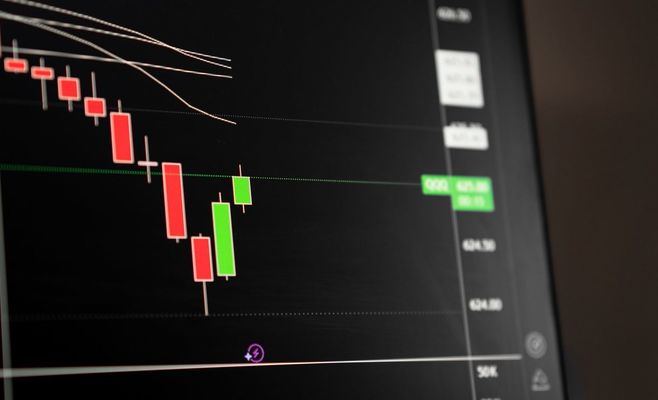
Oil prices are rising again because attacks on Saudi energy sites and on tankers near the Strait of Hormuz have revived fears of tighter supply. According to Reuters reporting cited by The New Voice of Ukraine, prices edged higher on Nov. 27 and were on track to snap a three-week losing streak. U.S. West Texas Intermediate crude traded at $85.78 a barrel, up $2.10, or 2.5%, from Wednesday’s level.
Reports differ on exact Brent levels. BigGo Finance, citing Investing.com data, said Brent settled at $91.67 on Nov. 26 after rising for three straight sessions, a 5.8% gain from $86.68 on Nov. 23. Startup Fortune reported that the January Brent contract settled at $96.57 that day, up 2.1%, a gap that likely reflects different contracts and data sources.
What happened at the Saudi sites
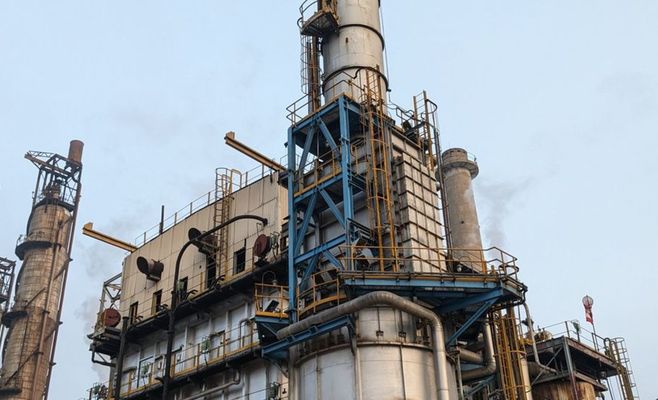
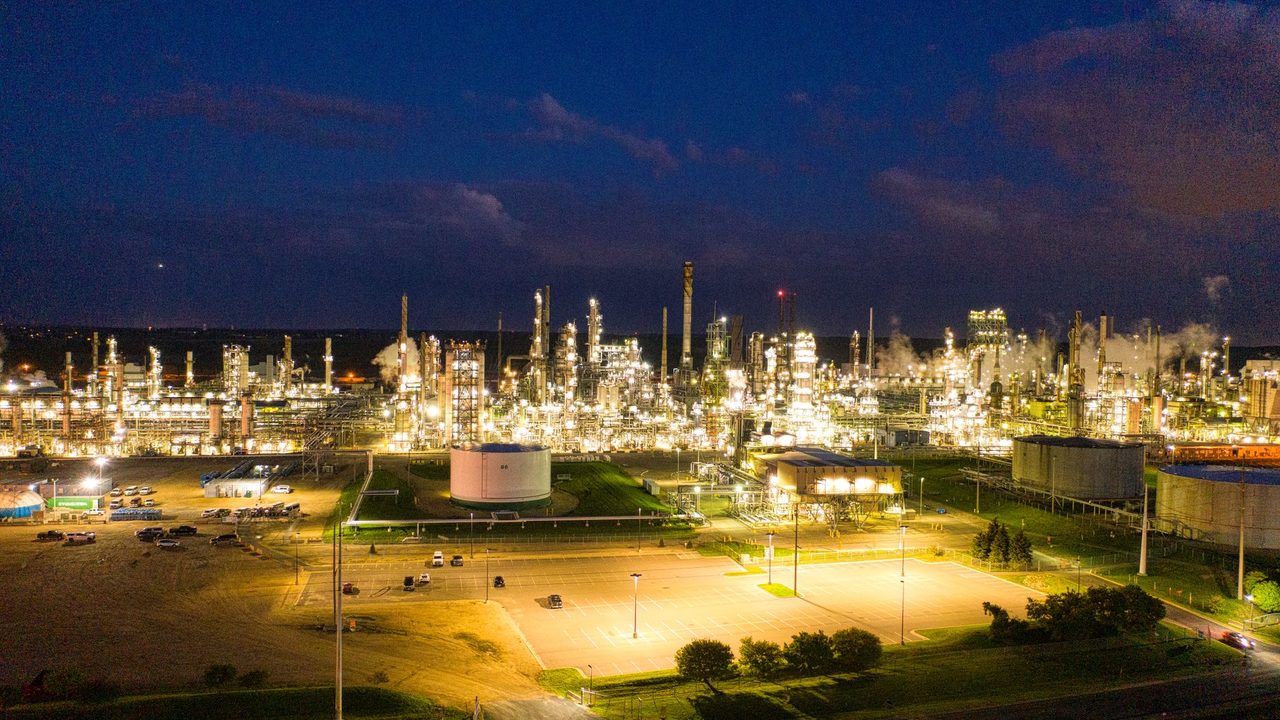
On Nov. 25, the Houthis said they struck Ras Tanura, Saudi Arabia’s largest refinery and a key export hub. The Saudi-led coalition said air defenses destroyed four drones launched toward it. Neither Aramco nor the Saudi government immediately confirmed damage, but satellite imagery reviewed by Reuters showed thick black smoke around the site. CNN, citing shipping sources, reported that loadings at the terminal were halted. BigGo gave the refinery’s capacity as 550,000 barrels a day.
On Nov. 26, Saudi Arabia’s Energy Ministry said a projectile hit the Jazan refinery on the Red Sea coast. One Nepalese worker was killed, several people were injured, and some operations at the Aramco plant were temporarily halted. The coalition blamed the Houthis and said it destroyed a ballistic missile launch platform in Yemen’s Hodeidah governorate. The ministry described the stoppage as temporary, and early reports gave no restart date.
Why Hormuz and the Red Sea matter
Iran’s Revolutionary Guards said on Nov. 26 that two tankers hit sea mines north of Oman’s Khasab port, including a supertanker carrying more than 2 million barrels. Startup Fortune noted that the claim has not been fully verified and comes from one side in the war.
BigGo reported that Saudi Arabia’s route for exporting crude while bypassing Hormuz runs through the Red Sea. Crude travels about 1,200 kilometers through the East-West Pipeline to Yanbu, carrying roughly 4 million barrels a day, or 4% of global supply, according to Reuters. That is why strikes on Red Sea ports and facilities draw so much attention.
The case for lower prices
Not everyone sees a supply squeeze. The International Energy Agency’s November report found global supply running ahead of demand for the first time since the Iran war began, and it forecast a surplus this quarter. Observed stocks rose by 52 million barrels in October, but most of the increase was crude on tankers. Onshore stocks kept falling, according to Startup Fortune, and BigGo said OECD inventories fell by 47 million barrels in a month.
BigGo reported that tanker traffic appears to have increased this month and that Saudi Arabia shifted loadings to Yanbu as risk around Ras Tanura grew. Analyst Rory Johnston of Commodity Context told Reuters the market had been oversold below $90 and said, “It was only a matter of time before we tightened again.”
What this means for fuel and borrowing costs
Startup Fortune urged readers not to rebuild next year’s fuel or borrowing budget around one volatile week. Traders are paying extra for oil available soon: February Brent traded about $4.20 below January at one point on Nov. 26, and BigGo said the gap between near-month and later contracts had widened to nearly $4 a barrel. ING warned that thin Thanksgiving trading could exaggerate moves. The January contract expires Nov. 30, so a screen switch to February could look like a drop even without any market change.
ANZ analysts said Brent can still rise above $100 without another major escalation in the Middle East, but that would require evidence of tight supplies.
What happens next
OPEC+ meets Nov. 29. Two sources told Reuters the group will likely keep current output targets through at least the first quarter of 2027, though no decision has been reached. A review of each member’s capacity has stalled, and Iraq is unhappy with its preliminary figure of 4.9 million barrels a day.
Earlier on Around Prague: Ras Tanura Smoke Seen From Space: What the Saudi Strikes Mean for Oil Prices
Read next
Ras Tanura Refinery Attack: What We Know About the Houthi Strike on Saudi Oil
Ras Tanura Smoke Seen From Space: What the Saudi Strikes Mean for Oil Prices
What the Houthi Attacks on Saudi Airports Mean for Travel and Oil
Around Prague, based on reporting by The New Voice of Ukraine, BigGo Finance, Startup Fortune