How Fake Social Media Videos Triggered a Mass Migrant Breach at Spain's Ceuta
USD 20,66
Popular
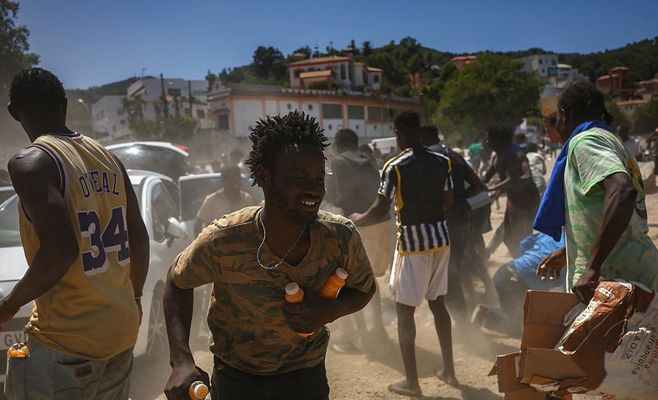
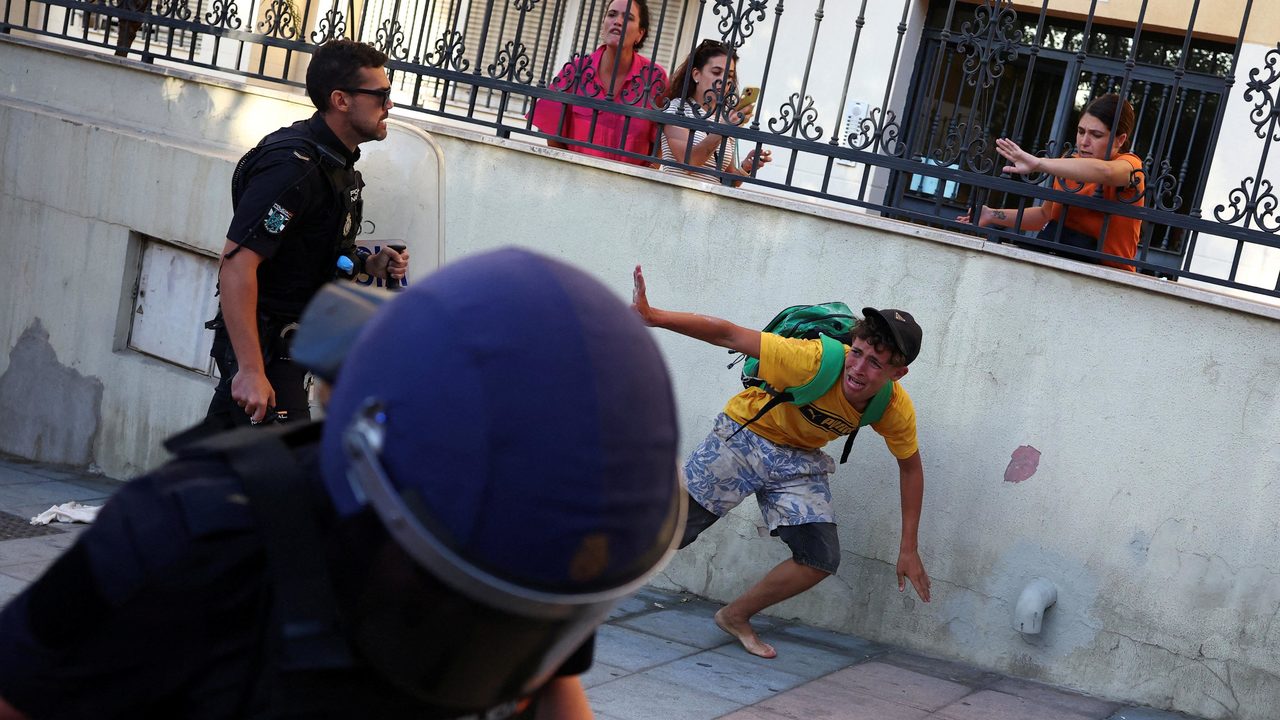
Last week, tens of thousands of migrants from Morocco and other African countries suddenly crossed the border and stormed into Ceuta, Spain's exclave on the North African coast. According to official Spanish figures, 72 people died in the incident, while Morocco puts the death toll at 11.
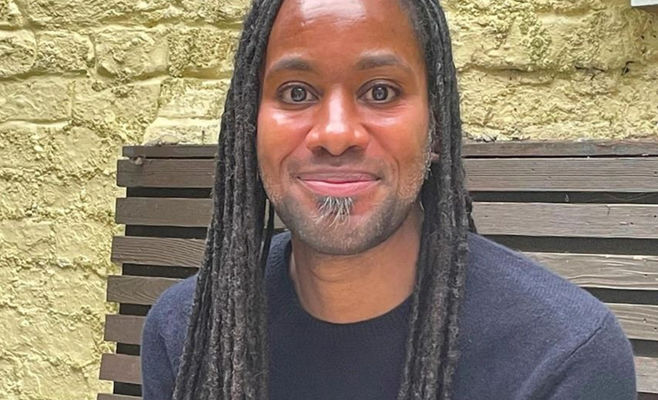
Among those who rushed toward Ceuta was 44-year-old Moroccan Yusuf al-Abbas, who had spent nearly 14 years working in Bilbao, Spain, before being deported in 2019 after losing his job. What pushed him to take such a desperate step were social media posts claiming the way to Ceuta was clear. According to him, Moroccan police officers themselves were shouting "Run, run to Spain!" and letting Moroccan nationals through the barrier while forcibly turning back people from sub-Saharan Africa.
BBC journalists working in North Africa uncovered dozens of social media videos showing people jumping into the sea under the slogan "Spain is open." Some of the clips were shared by accounts created just weeks before the events, yet they had already racked up tens of thousands of likes. Many of these videos turned out to be fake, fueling false hope that Spain would welcome migrants with open arms.
In reality, Ceuta's residents, fearing unrest, shut down restaurants and shops, while the migrants themselves complained of hunger after the long swim and reported being beaten in the city. Just 15 minutes after crossing the border, Abbas realized the rumors of a warm welcome had been a lie. According to Spanish authorities, roughly 69,500 people have been deported from the country, while between 3,000 and 5,000 migrants remain in the city.
Spanish and Moroccan authorities officially blame the rumor-spreading on "smuggling networks." However, sources within Spanish security services cited by the conservative newspaper El Mundo claim that Morocco did in fact allow people to cross the border, using the move as a way to remind Madrid of its control over their shared frontier.
Political scientist Pablo Simón of Madrid's Carlos III University is convinced: "This is not a migration crisis. This is a Moroccan attack as part of a hybrid war." A similar scenario played out in 2021, when Morocco loosened border controls and allowed eight thousand people through in just two days — at the time, it was a response to Spain's assistance to the leader of the Western Sahara independence movement. This time, there's no clear motive, though some media outlets have linked the situation to Spain's stance on Gaza and its tense relations with the Donald Trump administration.
Read also: Fuze in Masaryčka: Prague's new brewery restaurant that opened under Zaha Hadid's roof
Source: seznamzpravy.cz