Le Pen wants to radically overhaul the EU if she wins in France
USD 21,74
Popular
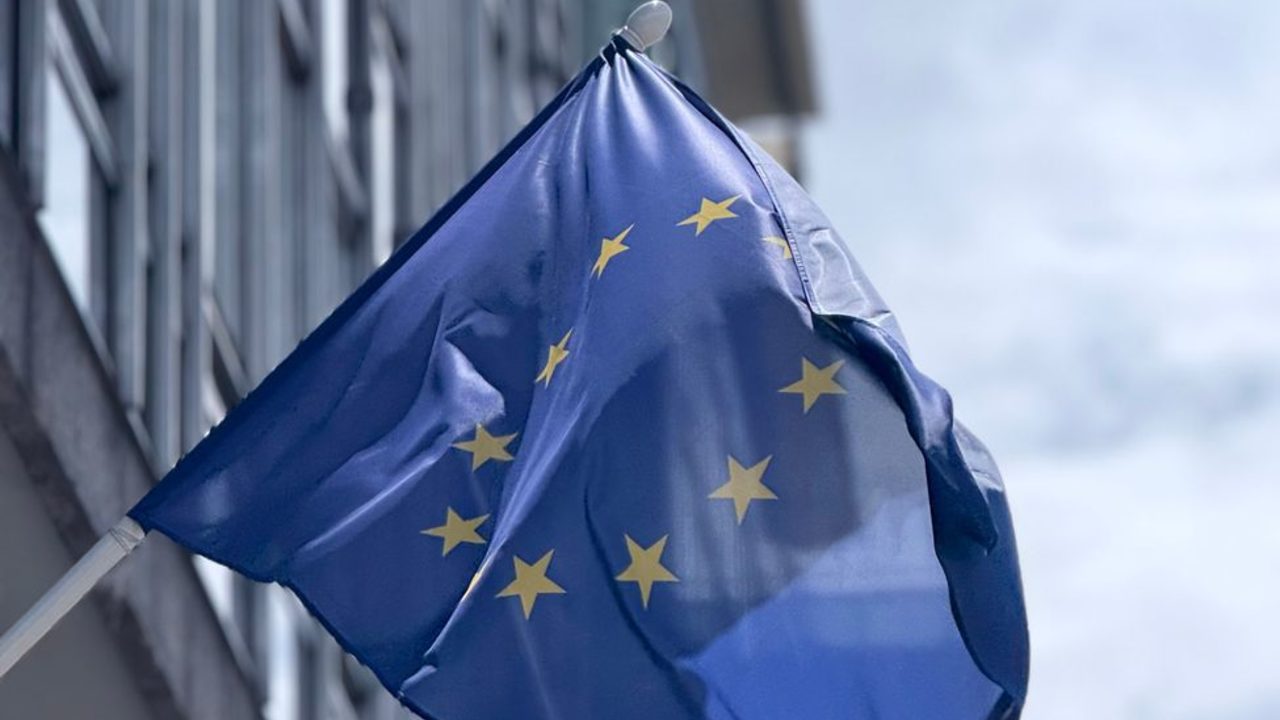
France's presidential election will take place in April 2027, but all of Europe is already talking about it: according to polls, the best chance of winning belongs to Marine Le Pen, leader of the far-right National Rally party. Her possible rise to power could fundamentally change France's relationship with the European Union and the balance of power within the EU.
From leaving the EU to changing its rules
Le Pen has already abandoned the idea of France leaving the EU — she wants to shed National Rally's image as an extremist party. But she remains critical of Brussels: according to Gilles Ivaldi, an expert on Europe's far right at a Paris political research centre, although European issues have taken a back seat for her, Le Pen still sticks to a Euroskeptic and confrontational stance.
Her party wants to return more powers to national governments, arguing that Brussels interferes too much in their affairs. Le Pen talks about a referendum that would give French law priority over EU legislation. The party also plans to cut France's financial contribution to the EU budget and end financial support for Ukraine, which has been fending off Russian aggression for five years now. If these proposals are carried out, France would sharply break from the course set by outgoing President Emmanuel Macron, known for his pro-European views.
“These are good reasons for Europeans to fear a Le Pen victory in the presidential election, especially against the backdrop of the far right gaining strength in Germany,” Ivaldi notes.
A conviction for embezzling European Parliament funds
Last spring, a court found Marine Le Pen and 23 other defendants guilty of embezzling European Parliament funds. According to the verdict, the politician was at the centre of a scheme that illegally siphoned off €4.4 million from the EU budget between 2004 and 2016: money meant to pay parliamentary assistants was used to hire staff who actually worked for National Rally. Experts believe this very ruling could be pushing Le Pen toward a kind of “revenge” against the EU.
The party was founded in 1972 under the name National Front by Marine Le Pen's father, Jean-Marie Le Pen, a radical nationalist who was tried for denying the Holocaust: he called the Nazi gas chambers merely a “detail” of history. Over time, people with similar views gathered around the party, and for years it became a haven for radicals and antisemites.
The party's stance toward Russia remains ambivalent. National Rally has a long history of ties with Moscow, and there is still no unified approach within the party: its traditionalist wing sympathizes with pro-Kremlin narratives, including the claim that NATO's eastward expansion provoked the war in Ukraine.
The EU rushes to pass laws in advance
European partners apparently understand the risks all too well: according to sources familiar with the matter inside EU institutions, member states are trying to speed up the passage of new laws before the French election. “The window in which something can still be pushed through is narrowing,” one European diplomat admitted on condition of anonymity. “Today we understand just how fragile the European project is,” another source added.
The main point of contention right now is the EU budget. Suspending France's contributions to the common treasury has become one of the key slogans of Le Pen's election campaign. “The contribution to the EU budget keeps growing to absurd levels,” she said, noting that gross payments into the budget — that is, without counting the funds the country gets back from EU funds — could soon reach €45 billion. Under this pressure, European leaders intend to discuss the budget at a summit in mid-October, hoping to lock in an agreement before the presidential election in April 2027.
Following Meloni's path, or Orbán's?
Italian MEP Nicola Procaccini, close to Italian Prime Minister Giorgia Meloni, believes that European allies will ultimately have no choice but to cooperate with Le Pen. “You cannot apply a cordon sanitaire to the French Republic,” he said, referring to the usual strategy mainstream parties use against the far right. In his view, Le Pen will follow the Italian path and take a cue from Meloni, who deals with the European Commission in a pragmatic and straightforward way.
French political scientist Jean-Yves Camus disagrees: he says Le Pen will behave quite differently from Meloni, who is used to compromise. “She has no desire to negotiate with the EU the way Meloni does, and the political system she wants to build in France looks more like Orbán's ‘illiberal democracy’,” Camus believes. According to him, a clash with Brussels is predictable: Le Pen shows no respect for European Commission President Ursula von der Leyen and constantly points to a lack of democratic legitimacy. Le Pen has previously criticized Meloni for cooperating with von der Leyen and for failing to visibly reduce migration.
Ivaldi, however, believes that once in power, Le Pen will fairly quickly revise her views and soften her rhetoric. “Once elected, she will very quickly realize that France — with its budget deficit, enormous public debt and numerous uncertainties on the international stage — badly needs the European Union and the protection the eurozone provides,” the expert concludes.
Source: seznamzpravy.cz