SpaceX Catches Starship Upper Stage for First Time, Loses Booster
USD 22,10
Popular
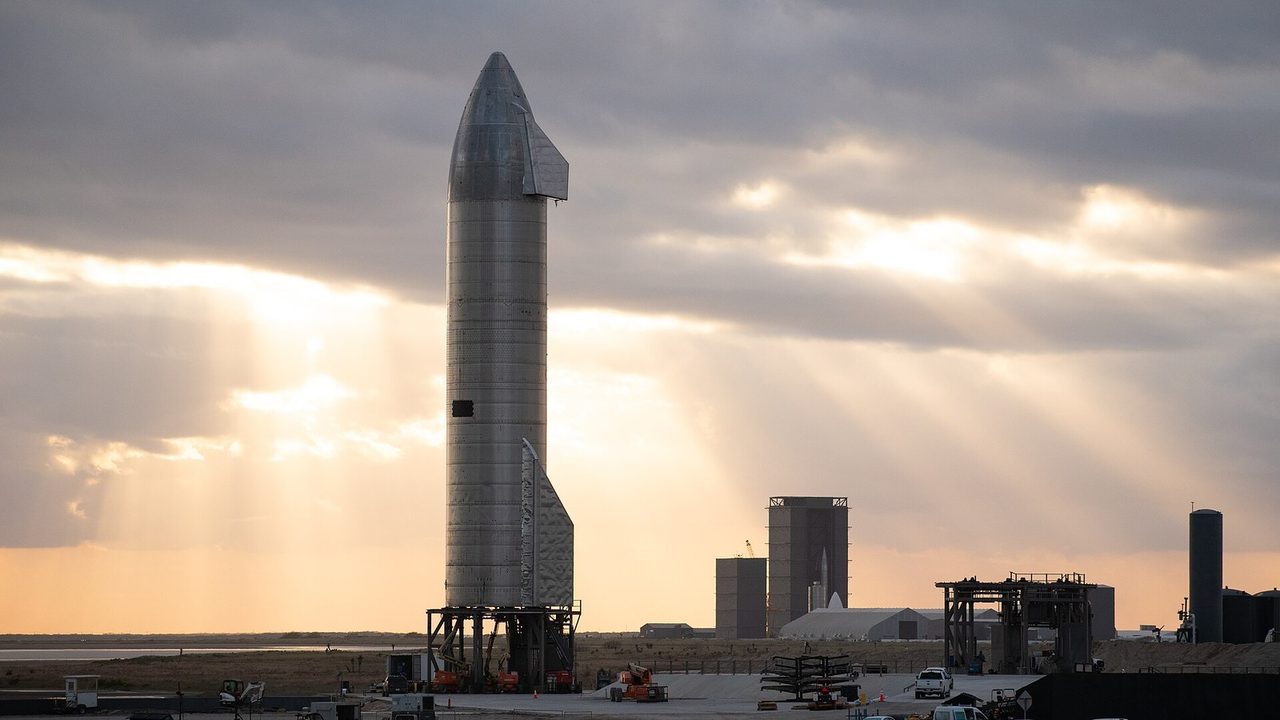
SpaceX has caught the upper stage of its Starship rocket for the first time, using the mechanical arms of its launch tower to grab the spacecraft as it returned to Earth, the BBC reported. The flight lasted twenty-two and a half hours. The company also hoped to recover the rocket's booster on the same flight, but that attempt was aborted shortly after launch.
The outcome matters because SpaceX needs to reliably recover both parts of Starship if the rocket is to fly again and again and cost far less to operate, according to the BBC.
The flight by the numbers
- 15th test flight. This was the 15th test of Starship and the first one that aimed to fully recover both parts of the rocket.
- 124 meters (407 feet) tall. The rocket lifted off from the Starbase launch site in Boca Chica, Texas, on Friday.
- 26 satellites. The upper stage, known as the Ship, deployed 26 satellites that belong to the Starlink constellation, which provides high-speed internet.
- 14 orbits. The Ship circled the Earth 14 times before returning to the launch tower, where the arms nicknamed chopsticks secured it.
- Three earlier booster catches. SpaceX had already caught the lower stage, called the Super Heavy booster, on three previous test flights. This was the first time the upper stage was caught.
What happened to the booster
The plan was to catch the Super Heavy booster about six and a half minutes after liftoff. Instead, the booster triggered an automated abort and diverted toward the ocean, where it hovered above the water before exploding, the BBC reported. Elon Musk later wrote on X that the booster was running slightly low on fuel.
The Ship, meanwhile, continued into space. Before the flight, SpaceX said it would try to catch the Ship only after carefully checking the vehicle while it was in orbit. Any problem would have meant bringing it down in the ocean, as happened with the booster. The Ship returned to hover near the tower, and staff watching the flight cheered when the arms secured it.
The Ship reached orbit for the first time only in September, the BBC noted.
Why a catch matters
Full reusability has long been a goal for SpaceX. The company became the first to land part of a rocket vertically in 2015, using the booster of its Falcon 9. Falcon 9 rockets now fly more than 100 times a year, and reusing their lower stage has sharply cut launch costs, according to the BBC.
Prof. Malcolm Macdonald, president of the Royal Aeronautical Society, told the BBC that landing a full Starship would take spaceflight to the next level, though that did not happen this time. He called the missed booster recovery a setback, but said that recovering the Ship was a substantial step forward. In his view, the company has now shown both halves of the recovery challenge, just not yet on the same flight. The next milestone, he said, would be combining them and proving it can be done reliably, repeatedly and economically.
What this means for NASA's Moon plans
The progress of Starship has direct implications for NASA's attempt to land humans on the Moon in 2028, which the BBC described as a highly ambitious timeline. SpaceX holds a NASA contract to turn the Ship into a lander that will eventually carry astronauts down to the lunar surface. Blue Origin, owned by Jeff Bezos, also has a contract to use its New Glenn rocket and lander for a Moon touchdown.
Both companies will also play a key role in the Artemis III mission, which is currently planned for summer 2027. Four astronauts in NASA's Orion spacecraft will attempt to dock with both SpaceX's and Blue Origin's landers during that voyage.
The BBC said Starship will need to make a lot of progress in the coming months to meet those commitments, noting that the pace of its development has been far slower than SpaceX intended. Blue Origin also has work to do: its return to flight has been delayed to early in 2027 after a rocket exploded earlier this year and destroyed its launchpad in Florida. NASA Administrator Jared Isaacman has said the U.S. is in a race with China to reach the Moon.
SpaceX became a public company earlier this year, and the BBC noted that its shareholders will be watching the flight closely, as will NASA.
Read next
Starship Booster Skips Tower Catch as SpaceX Readies First Ship Catch
SpaceX Plans First Full Starship Recovery With Back-to-Back Catches on Nov. 13
SpaceX Fires All 33 Engines on Starship Booster Before Next Launch
Around Prague, based on reporting by BBC
Cover photo: Jared Krahn / Wikimedia Commons, CC BY-SA 4.0, cropped