Poll: "Alternative for Germany" could win up to 42% in Saxony-Anhalt election
USD 21,24
Popular
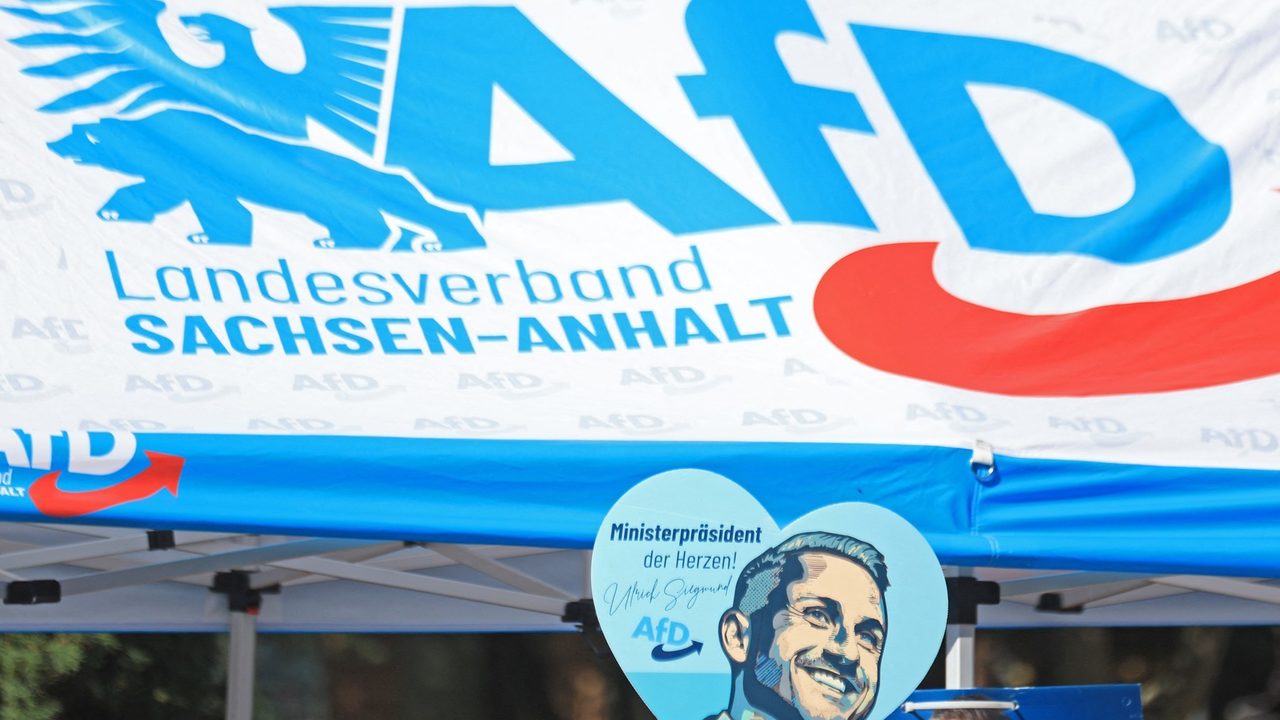
According to a new poll published by the newspaper Bild, the far-right party "Alternative for Germany" (AfD) could win up to 42% of the vote in the upcoming election in the German state of Saxony-Anhalt — nearly double the support of the ruling Christian Democratic Union (CDU), which is polling at just 22%.
Since 2002, the state has been governed by minister-presidents from the conservative CDU, the party of Federal Chancellor Friedrich Merz. Yet according to the poll, the CDU now trails the AfD by a full 20 percentage points. In third place is the post-communist Left Party (Die Linke) with 13%, while the Social Democrats (SPD) are polling at just 6%.
Left-wing populists could enter parliament
The poll also suggests that the left-populist Sahra Wagenknecht Alliance (BSW) could clear the five-percent threshold, although earlier surveys in recent weeks had put its support at only 4%. The BSW insists it is determined to prevent, at any cost, the CDU from continuing to govern the region. At the same time, party leaders have not ruled out the possibility of cooperating with the AfD under certain conditions.
If the BSW does indeed clear the threshold and enters parliament, the current balance of power could mean that the AfD secures the post of minister-president in a German state for the first time in its history.
Intelligence agency deems the party extremist
In May last year, Germany's Federal Office for the Protection of the Constitution (BfV) officially classified the AfD as a proven right-wing extremist organization. The party took the matter to court, which ruled that the BfV must refrain from using that designation until a final verdict is reached. Nevertheless, Saxony-Anhalt's regional intelligence agency has classified the local AfD branch as a proven far-right group since 2023.
In the previous state election in 2021, the party won 20.8% of the vote — meaning its support has nearly doubled in five years.
Successes in eastern Germany
The AfD has already posted strong results in other eastern German states two years ago: in Thuringia, the party won the election outright with 32.8% of the vote, while in Saxony and Brandenburg it came second with 30.6% and 29.2%, respectively. However, it failed to enter government in any of these three states due to resistance from other parties.
Besides Saxony-Anhalt, new state parliaments will also be elected in September in Mecklenburg-Vorpommern, where the AfD is forecast to win between 35% and 40% of the vote, and in Berlin, where polls show four parties — the CDU, AfD, Left Party and Greens — all hovering around 20%.
Source: novinky.cz