What We Know About the Capture of Mexican Cartel Boss El Chapo Isidro
USD 22,26
Popular
Mexican forces captured cartel boss Fausto Isidro Meza Flores, known as “El Chapo Isidro,” in a night of heavy gunfire in the city of Guasave in Sinaloa state, according to The Associated Press and NPR. The operation left at least 11 people dead and set off a wave of violence that terrorized residents.
Meza Flores was among the FBI's 10 most wanted fugitives. He was flown to Mexico City on Saturday to appear before prosecutors, the Mexican Defense Ministry said.
What happened in Guasave
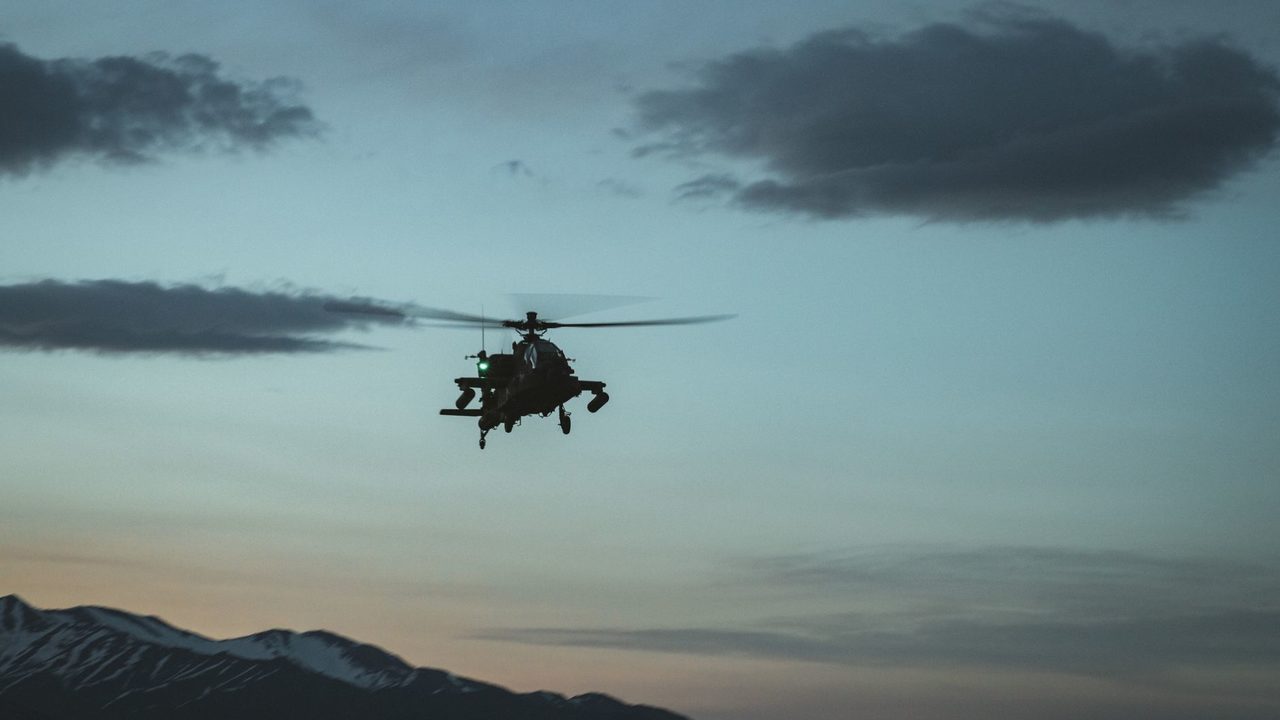
A firefight broke out around 7 p.m. on Friday, residents of the city of 290,000 people told the AP. Military helicopters and drones soon appeared overhead, and helicopters opened fire on key locations across the city. Videos showed civilians fleeing gunfire at a baseball game, cars and businesses burning, and helicopters circling.
Mexican authorities said they used what they called stealth and surprise, setting up a security perimeter around the building where Meza Flores was located. After suspected cartel operatives attacked with guns and explosives, armed forces entered a home and detained him. Eight people were detained in total, officials said.
The Defense Ministry said seven alleged cartel gunmen and four Mexican soldiers were killed. A federal official who spoke anonymously said the army and National Guard special forces could not get Meza Flores out of Guasave until 4 a.m. Saturday, because members of the criminal group kept up roadblocks of burning vehicles on city streets.
Who Meza Flores is
The AP described him as a leader who rose through the ranks to head the Beltrán Leyva cartel and later formed his own group, the Meza-Flores Transnational Criminal Organization. The United States had offered a $5 million reward for information leading to his arrest. He was wanted on charges of trafficking drugs to the United States and illegally carrying firearms.
He was also a key ally of “Los Mayos,” a faction of the Sinaloa Cartel that the Trump administration designated a foreign terrorist organization last year. His capture is a blow to that faction as it fights another faction for control of the state, the AP reported.
What it means for Sinaloa and for U.S.-Mexico ties
Residents described lasting fear. Alma Camacho, a Guasave resident and local journalist, said burned cars lay in the streets and several Oxxo convenience stores had burned down. She said people remained very afraid because security forces were absent from the streets. Paola Sánchez, a resident and firefighter, said thousands of people sheltered in grocery stores and other places during the gunfire, and that firefighters had to wait at their station until Saturday morning before checking for fires.
Mexican Security Secretary Omar García Harfuch wrote on X that armed forces would stay deployed in Sinaloa to protect civilians. He mourned the four soldiers killed and called the arrest “an important step in pacifying Sinaloa.”
The U.S. and Mexican governments both celebrated the arrest as a security win. Mexico's government said in a report early Saturday that intelligence from the Trump administration helped authorities locate Meza Flores, though it gave few details on how the two countries coordinated. U.S. Ambassador Ronald Johnson said on X, “We will continue the hunt.” The DEA also commended Mexican authorities.
Experts warned that removing cartel leaders can set off another round of violence in a region already caught in a power struggle between warring factions, according to the AP. It noted that shows of force by cartels after a leader's capture or killing are common.
The political backdrop
The arrest comes as Mexican President Claudia Sheinbaum faces pressure from President Donald Trump to crack down on cartels. The AP reported that Sheinbaum has gone after illegal groups more aggressively than her predecessors and that homicides have dipped significantly during her two years in office. Her government has also targeted other kingpins, including Nemesio Oseguera Cervantes, known as “El Mencho,” who leads the Jalisco New Generation Cartel and was killed by the military in February.
Around Prague, based on reporting by NPR