Slovakia Refuses to Recognize Same-Sex Marriage Despite EU Court Ruling
USD 21,81
Popular
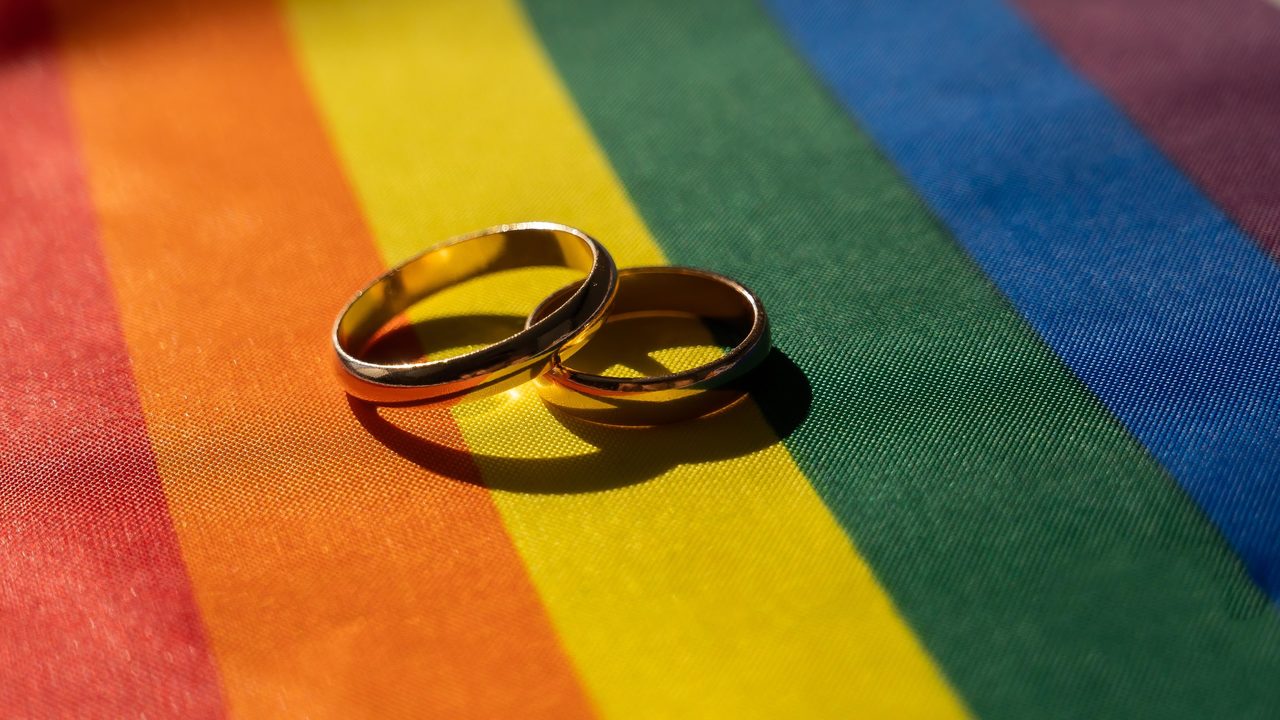
Slovak Interior Minister Matúš Šutaj Eštok has refused to register the marriage of two men that was concluded abroad, defying a binding ruling from the European Union's Court of Justice. The news was shared by one of the partners, Ivan Novotný, who announced on social media that he is filing a lawsuit against the ministry's decision.
According to the outlet Denník N, the minister argued that Slovakia's civil registry office has no authority to register such a marriage, even though the country is obliged to comply with EU law. Last year, the EU's top court ruled that member states must recognize same-sex marriages legally performed in other EU countries. Slovakia's constitution, however, has for years defined marriage strictly as a union between a man and a woman.
The Diplomats' Marriage Registration Saga
Novotný and his partner Method Špaček, a former head of the Slovak presidential chancellery, reportedly married in Austria back in 2020, according to local media. Last year, the couple applied to have their marriage entered into a special registry maintained by the Interior Ministry. The ministry, however, failed to issue a decision within the legally required timeframe — a delay that prompted Prosecutor General Maroš Žilinka to issue a formal prosecutorial warning over the ministry's inaction this past summer.
Novotný has also criticized the way his application was ultimately handled: the decision on his marriage registration was not issued by the civil registry authority itself, but personally by the interior minister in the form of a letter. He described this as blatant interference in a process that is supposed to be independent and strictly governed by law. Per Denník N, Šutaj Eštok explained that the Slovak registry has no right to register such a union, since matters of family status and the conditions for marriage remain within the competence of individual EU member states.
The Government's Stance and the Clash with EU Law
The Slovak authorities' refusal came as no surprise. Prime Minister Robert Fico has repeatedly stated that Slovakia should legally ban recognition of same-sex marriages performed abroad, pointing to last year's constitutional amendment that enshrined the country's sovereignty over matters of national identity. Experts say the move effectively places Slovak law above European and international norms when it comes to cultural and ethical issues.
Source: seznamzpravy.cz