Estonia's Border Closure Nears as Baltic Neighbors Pick Different Responses to Russia
USD 22,36
Popular
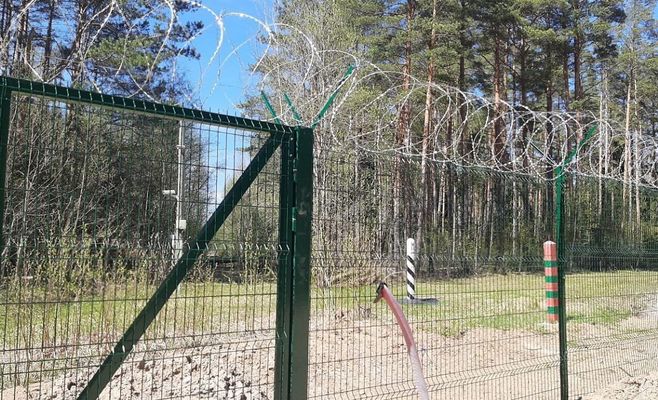
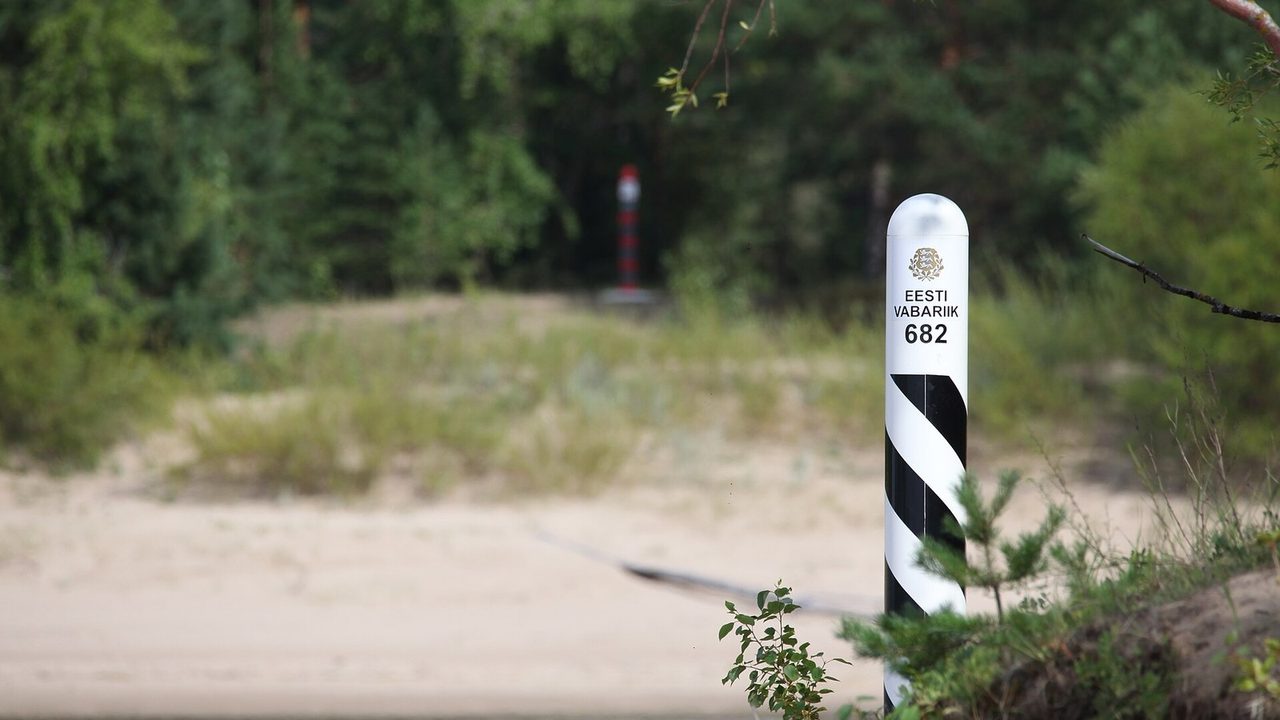
Estonia's closure of its border crossings with Russia is set to begin Dec. 1 and last at least six months, and Tallinn's Baltic neighbors are now pursuing their own, different measures against Moscow. The developments follow Russia's warning on Monday that Estonia was "on the verge of triggering open war," which Estonia's foreign ministry rejected, saying it has never allowed its territory to be used for military operations by another country.
New details have emerged since then from NATO, an Estonian diplomat and regional analysis, showing how the region is preparing for a longer period of tension.
What NATO and Estonia said after Russia's warning
NATO Secretary-General Mark Rutte said in Berlin that the alliance is monitoring the situation in Estonia and has options available to respond, according to Al Jazeera. He said NATO will keep assessing its deterrence and defense and update them where necessary.
Martin Roger, the Estonian foreign ministry's undersecretary for political affairs, told RNZ during a visit to Wellington that Estonia's 1.3 million people understand the stakes and are willing to pay a price for backing Ukraine. He described the situation as having "one aggressor and then there's one victim."
Roger said the attacks on Estonian defense companies had the opposite effect from intimidation. After the first one, he said, Estonia announced a new aid package for Ukraine.
Why the border is closing
Estonia announced the closure after accusing Russian security services of staging an attempted arson attack on an Estonian defense company. RNZ reported that the attempted attack targeted a drone factory and that another defense company was targeted in August. The Kremlin denies any involvement.
Moscow says the closure will backfire on Tallinn and on its allies in the EU and NATO. It also accuses Estonia of several other hostile steps, including seeking a ban on the Russian language. The Russian foreign ministry says it reserves the right to take political and diplomatic measures. Estonia is home to a sizable ethnic Russian population, which Moscow has often claimed faces discrimination.
Sources use slightly different wording for the measure: Al Jazeera refers to border crossings, RNZ to the road border and an analysis in Eurasia Review to the land border. Eurasia Review says Estonia can extend the closure after the first six months.
How Latvia and Lithuania are responding
An analysis piece published by Eurasia Review argues that the three Baltic states are not acting in unison, reflecting differences in geography, history and culture.
- Estonia: Beyond the border closure, it has built up its military capacity. Its prime minister has urged residents to prepare for drone threats, according to the analysis.
- Latvia: Its leaders have announced plans for a declaration aimed at removing Russian influence from public life. Latvia's culture minister said state institutions should stop using Russian in public communication, the analysis said.
- Lithuania: It borders Russia's Kaliningrad region rather than Russia proper. It is focusing on physically fortifying that frontier and has said it may consider closing the border later, as Estonia has.
What this means for people in the region
For residents on both sides of the Estonian frontier, the closure means crossings will be shut from Dec. 1 for at least six months, with the possibility of a longer shutdown. Reports do not detail exceptions or how it will affect daily crossings.
For Estonians more broadly, officials are asking the public to get used to the idea of drone threats and to stay prepared. In Latvia, the planned declaration would affect the use of Russian in official settings. In Lithuania, the changes would come first as barriers along the Kaliningrad border.
The wider stakes concern the security of NATO's northeastern flank. Russia has long accused Baltic states of letting Ukrainian drones use their airspace. NATO members deny that and blame Russian jamming for drones straying off course, according to Al Jazeera.
What to watch next
The first marker is Dec. 1, when the Estonian closure takes effect. Russia has said it may respond with further political and diplomatic measures but has not said what they would be. Lithuania has not committed to closing its border, and NATO has not said what options it might use.
Earlier on Around Prague: Estonia Rejects Russian Accusations After Moscow Warns of ‘Open War’
Read next
Estonia Will Shut All Russia Border Crossings Dec. 1 After Sabotage Bid
What NATO's Response to Russian Missiles in Poland Means for the Eastern Border
Tusk Says Flashlight Sightings Near Kaliningrad Border Spurred Poland's Response
Around Prague, based on reporting by Al Jazeera, Eurasia Review, RNZ
Cover photo: Sillerkiil / Wikimedia Commons (public domain)