Mobile PID centres near Prague no longer accept cash payments
USD 21,70
Popular
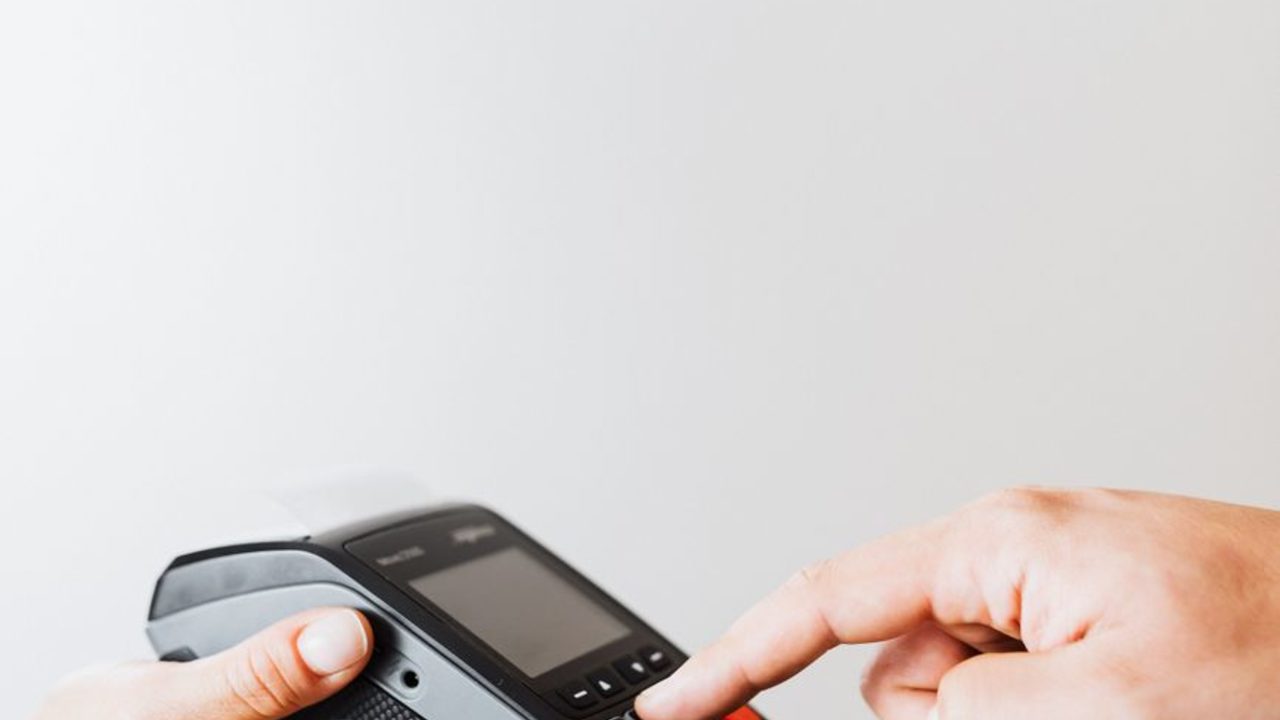
Since November, the mobile information centres of the Prague Integrated Transport system (PID) in the Central Bohemian Region have accepted cashless payments only. In return, people get longer opening hours and more visits, but rights advocates warn that the new practice hits those who do not use cards, above all older people.
The centres are PID Point caravans that travel to remote places in Central Bohemia. There you can, for example, top up or urgently issue a Lítačka card. According to Filip Drápal, a spokesman for ROPID, the organiser of Prague’s integrated transport, handling cash took up staff time that can now be spent on customers. Cash also limited the number of people who could work at the centres: part-timers can now be used, which gives better coverage of weekends and the edges of the day.
“It worries older people a lot”
The rights group Iuridicum Remedium, which works on digital freedoms, sees this as yet another restriction on paying in cash that hits vulnerable people. “I think it is a big problem,” says its director Jan Vobořil. If a private company refuses cash, you can go elsewhere, he stresses, but with a transport operator there is no real alternative.
Ondřej Zelenka of the Consumer Protection Association says that mostly older people come to them, and that it worries them a lot; they run into cash refusals, for example, at self-service checkouts. Jana Ouředníčková, president of the association Seniors of the Czech Republic, reminds us that not every pensioner has money in a bank, and that paying by card can even be risky for some, given the rising number of cyber-scammers. “People cannot be forced into total digitalisation,” she says.
The central bank and the finance ministry disagree
The Act on the Circulation of Banknotes and Coins generally obliges everyone to accept Czech banknotes and coins without limit, but adds the proviso “unless entitled to refuse”. This covers two cases: invalid money, or a payment of more than fifty coins of the same denomination. Neither applies to PID’s mobile centres.
In practice, the Czech National Bank (CNB) and the Ministry of Finance interpret the law differently. The CNB has previously criticised refusals of cash and considers such behaviour contrary to the law. The ministry, by contrast, argues that the law sets no unconditional duty to accept cash: contractual freedom applies, and a merchant may agree with a customer on payment by card, but must tell the customer in advance that cash is not accepted. In the ministry’s view, such a refusal also cannot be penalised, either by itself or by the CNB.
“Without a sanction, the rule is incomplete and, to put it unprofessionally, useless,” says Zelenka. Jan Vobořil adds that without penalties it is hard to bring such a dispute to court: “We are letting it rot.” Iva Palkovská of the Office of the Public Defender of Rights notes that the way of paying is not a legal ground of discrimination that the office’s staff could deal with. So far, she says, there has always been an alternative of paying in cash, even if with limits, such as no discounts.
Where else cash is not taken
Drápal stresses that the restriction applies only to the mobile points, while the stationary offices accept cash. According to him, PID Point also visits remote places in Central Bohemia, where cash is used more often, and not only by older people, but if cash payments stayed, services could not be expanded with current resources.
Iuridicum Remedium has monitored the topic for a long time and names cases where you cannot pay cash in shops, public toilets or at the parking machines at the National Theatre. According to the theatre’s spokesman Tomáš Staněk, it stopped accepting cash for parking about two years ago because interest in cash was gradually falling: visitors now practically never ask for it. The share of cash payments at the theatre was 22.3 percent in 2024, 21 percent last year and 19.5 percent so far this year.
The organisation also points out that social and health insurance cannot be paid in cash, and that public transport charges a surcharge for cash. Vobořil warns that some people risk being excluded from society. Jana Ouředníčková adds that the topic is increasingly raised internationally: in her words, digitalisation must not become the only way, and it must always be possible to handle a matter at the counter.
What this means for foreigners
This applies to everyone who uses PID Point mobile information centres in Central Bohemia, including foreigners. Since November they accept cashless payment only, for example when issuing or topping up a Lítačka card. Stationary offices still accept cash.
Around Prague guide on the topic: Lítačka transport pass in Prague
Around Prague, based on reporting by seznamzpravy.cz