Climatologist: 2025 heatwaves confirm climate change is accelerating
USD 21,73
Popular
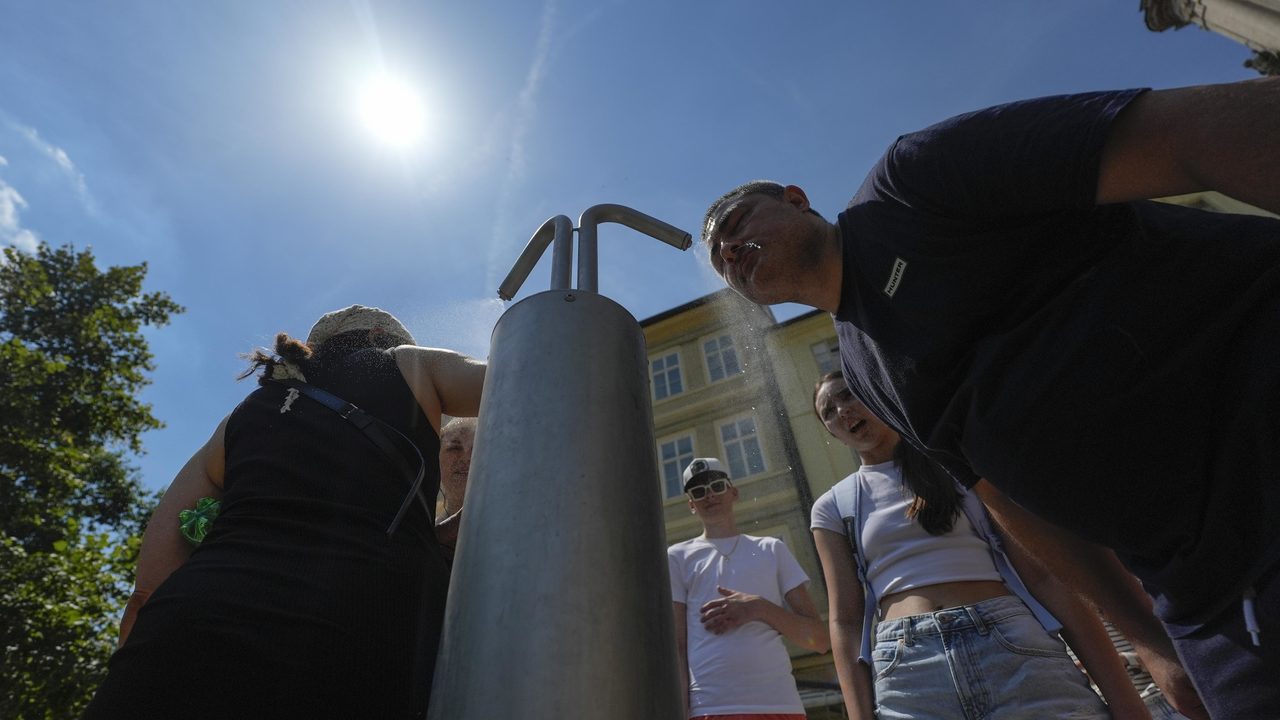
The waves of extreme heat that have hit Czechia in 2025 — already the second time this year with temperatures topping 40°C — confirm long-term climate change and even exceed what climate models predicted. That's according to a Czech climatologist, who noted that there are grounds to cautiously suggest climate change is unfolding faster than expected, though it's still too early to say so with complete certainty.
Why the heat keeps coming back
According to the expert, beyond natural climate variability — the usual swings between cold and warm, wet and dry spells — the heatwaves and droughts now being seen across the planet can no longer be explained by natural fluctuations alone.
The recurring heat in Czechia stems from a combination of climatic and synoptic patterns. Scientists use what's known as attribution science to link specific weather anomalies to climate statistics. Central Europe has traditionally seen alternating zones of low and high pressure, but as the atmosphere warms due to greenhouse gases, the air masses arriving with anticyclones are themselves becoming warmer — and summer sunshine heats them up even further.
There's also a deeper shift at play: over the past thirty years, Czechia has seen fewer cyclones and their associated frontal systems, while the number of anticyclones and high-pressure ridges has grown. Climatologists are studying whether global warming is actually altering atmospheric circulation itself, pushing it toward more frequent high-pressure spells — and, according to the expert, all the evidence currently points in that direction.
Put simply, the heat currently gripping Czechia resembles the climate of parts of the Mediterranean 30 years ago — meaning the warm belt is shifting northward.
The link between the heat and wildfires in France and Spain
The climatologist confirmed a clear connection between the current wildfires in France and Spain and the ongoing heatwaves. In a warming climate, the European landscape is drying out, and when strong winds hit coastal and mountainous areas, fire spreads through dry vegetation especially fast.
Another contributing factor is a change in rainfall patterns: steady, moderate rain has in recent years given way to rare but extremely intense localised downpours. Sometimes a handful of extreme storms can dump an entire year's worth of rainfall on one area at once. Such sudden bursts of rain trigger rapid growth of grasses and other vegetation, which then dries out almost instantly once drought sets in, turning into ready fuel.
The situation is made worse by the lack of snow cover in winter: without snow, grass that dried out in autumn stays loose and well-aerated, making it extremely flammable — especially after a spring as dry as this year's. Elevated carbon dioxide levels in the atmosphere play a role too: acting as a natural "fertiliser" for plants, CO2 speeds up vegetation growth when water is available, and that same mass of vegetation then dries out quickly, becoming fuel that accelerates the spread of fire.
Source: novinky.cz