AI energy consumption: a complex query uses 20% of a phone charge
USD 21,80
Popular
A single complex text query to artificial intelligence consumes about three watt-hours of electricity, roughly what it takes to charge an ordinary smartphone by 20 percent. This was reported to Novinky by Štěpán Křeček, chief economist at BH Securities. Estimates from different analysts vary noticeably, but they all agree on one thing: because AI is used on such a massive scale, the load on power systems is growing.
Artificial intelligence (AI) handles tasks on its own: it answers questions, writes texts and creates images. People use it at work, in their studies and in everyday life, and the best-known services are ChatGPT, Claude and Gemini. According to October data from the analytics company Manochi, more than three billion people around the world are estimated to use such services every month.
The more complex the query, the more energy it takes
Consumption depends above all on the model and on the number of computations the system performs to prepare an answer. An image or graphic can cost around 30 watt-hours, which, according to Křeček, is equivalent to three hours of running an LED bulb or two smartphone charges.
The US company OpenAI, the developer of ChatGPT, cites noticeably lower figures. Its CEO Sam Altman put the average consumption of one query at about 0.34 watt-hours. Petr Lajsek, an analyst at Purple Trading, also estimates around 0.25–0.3 watt-hours for an ordinary task, which corresponds to a few minutes of running an energy-saving LED bulb.
Křeček notes that this comparison does not cover every scenario. Altman's figure applies to the simplest query. When more complex models and hidden additional computations come into play, consumption rises up to ten times. By his estimate, a query of average length to Anthropic's Claude model can consume 2.8 watt-hours, while for some resource-intensive models the figure runs to tens of watt-hours.
Billions of queries and data centers
Storing data in the cloud also requires energy: consumption depends on the number of copies, server load and cooling. Operators have to deal not only with the demands of more powerful models but also with the rapid growth in the number of users.
Lajsek stresses that the problem is not a single query or a saved file but the billions of them, which add up every second on a global scale. Small amounts per query add up to a substantial draw on the power supply.
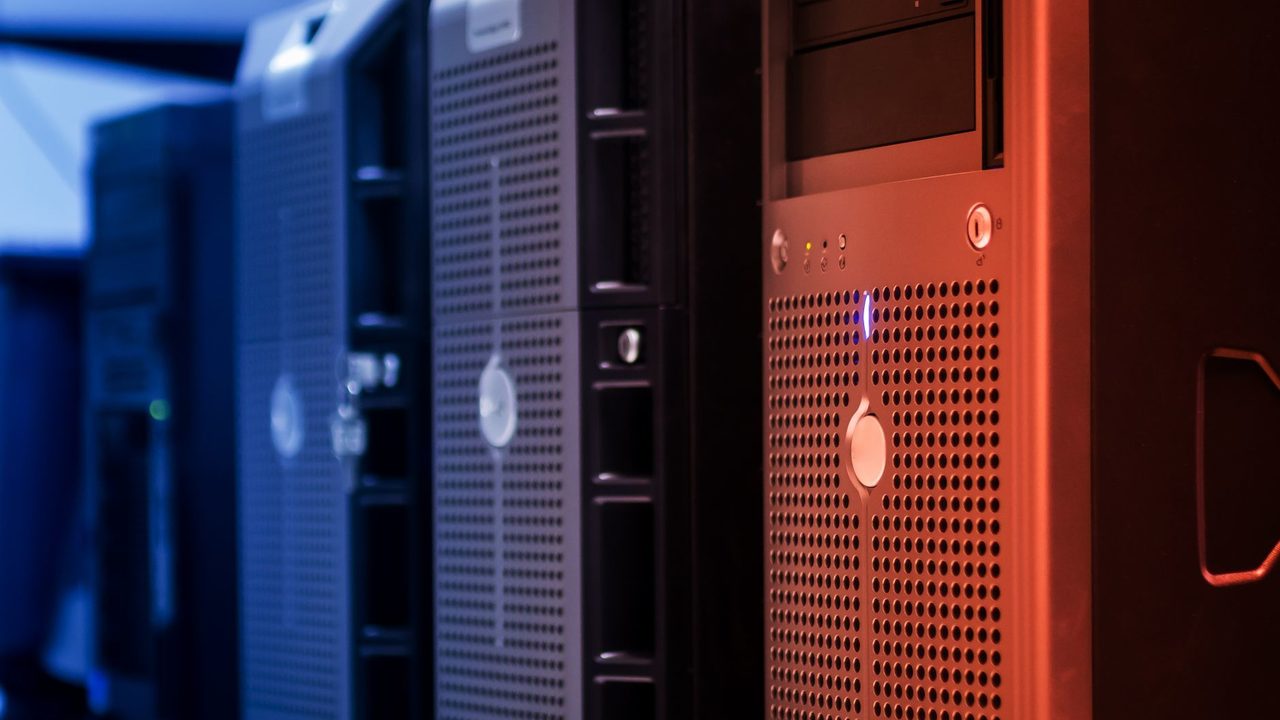
According to Křeček, the world's data centers consumed 485 terawatt-hours last year. That is as much as 28 nuclear power plants the size of Temelín produce. According to the International Energy Agency, their consumption will almost double by 2030.
Around Prague, based on reporting by novinky.cz