US approves SpaceX plan to put a million satellites in orbit
USD 22,33
Popular
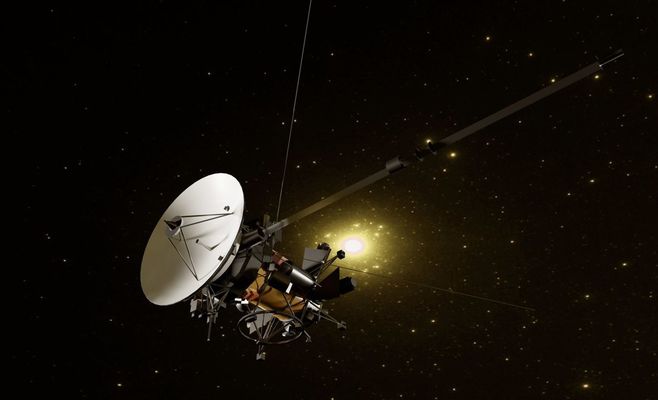
The US Federal Communications Commission (FCC) has authorized Elon Musk's SpaceX to put up to a million satellites into orbit to operate as data centers processing vast amounts of data. The regulator announced the decision in a press release. The project is meant to meet fast-growing demand for computing power, including for artificial intelligence.
License terms and deadlines
SpaceX had asked for permission to deploy up to a million computing modules in orbit this year. The FCC has now approved the project, called Starmind. According to the commission, it will open the way for new technologies, strengthen US leadership in space and AI, and make SpaceX a pioneer in both fields.
Under the terms of the license, SpaceX must begin launching satellites no later than November 2033. By November 2035 it must have put up a tenth of the authorized number, or 100,000 units, and by November 2038 half, or 500,000.
Why put data centers in orbit
Data centers are the backbone of AI, and they consume enormous amounts of energy. SpaceX says its satellites will be able to draw directly on almost uninterrupted solar power, which would cut operating and maintenance costs. By the company's estimate, the environmental harm would be smaller than that of ground-based data centers.
Will all one million actually be launched?
It is not yet clear whether SpaceX really intends to put all one million satellites into orbit. About 17,000 satellites currently circle the Earth, and satellite operators often request permission for more spacecraft than they eventually launch, since it gives them more freedom in planning and development. For example, before building out Starlink, SpaceX sought approval for 42,000 satellites, and it now has just over 11,000 in orbit.
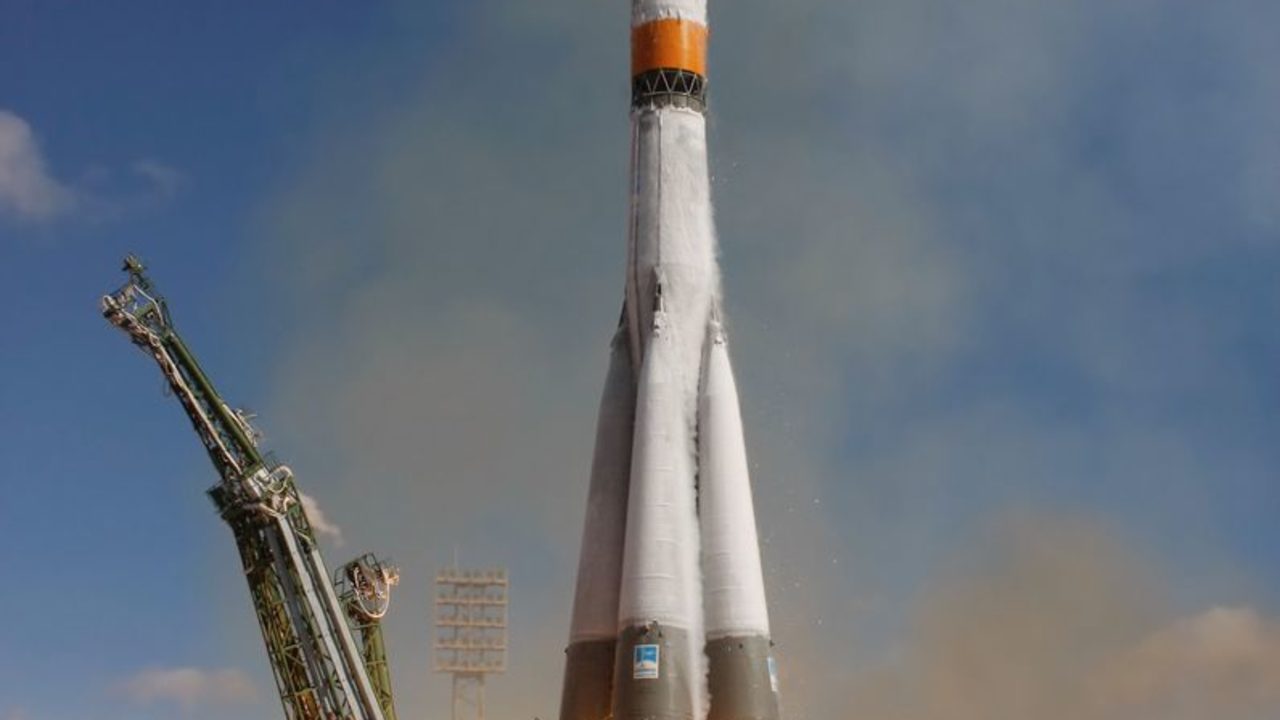
The plan to build data centers in space rests largely on the company's ability to drastically cut launch costs with Starship, the next-generation reusable rocket it is developing.
Amazon's criticism and the FCC's response
The project drew criticism from, among others, rival Amazon Leo, Amazon's satellite division. Critics argue it is highly unlikely that SpaceX will actually launch the full million satellites, and that deploying them could take several centuries. FCC Chairman Brendan Carr dismissed this criticism back in March. He advised Amazon to focus on its own problems with launching satellites and building its network rather than on SpaceX, which, he said, is putting satellites into orbit at a rapid pace, Reuters notes.
Around Prague, based on reporting by seznamzpravy.cz