Burnham Urged to Back New Assisted Dying Law Within Ten Years
USD 22,31
Popular
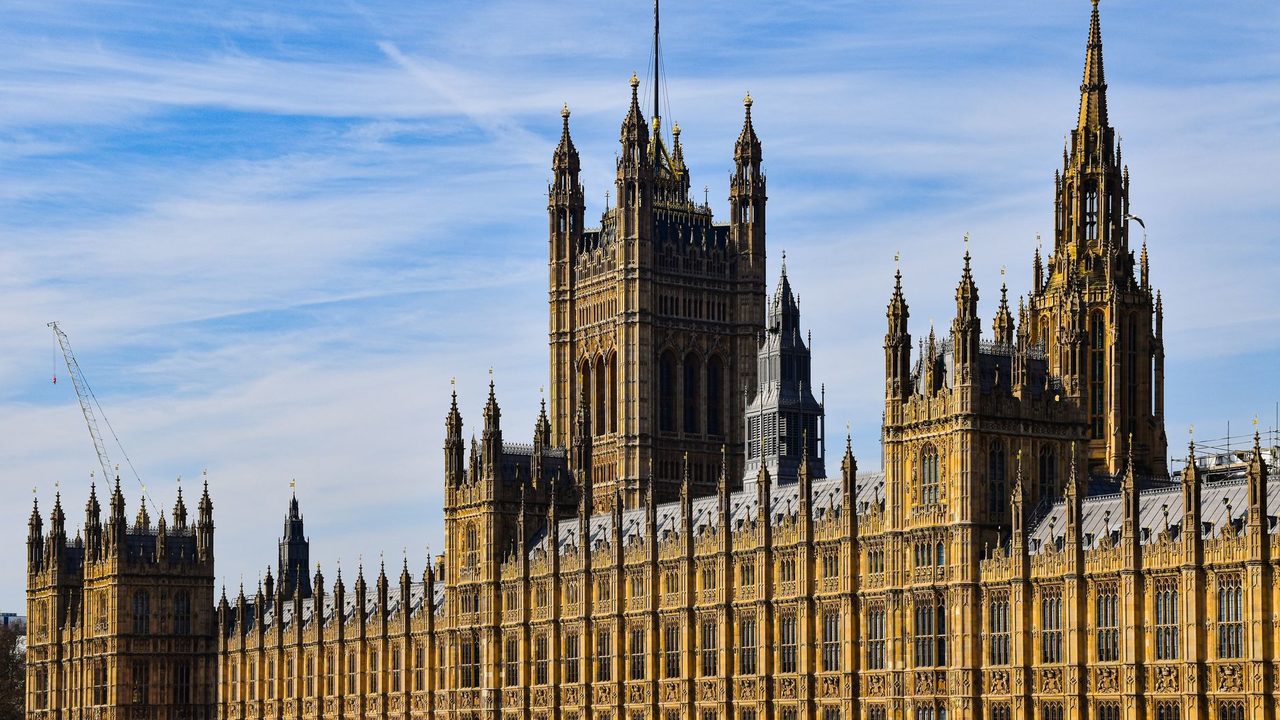
More than 50 Labour MPs and peers have written to Prime Minister Andy Burnham asking him to open the way for new assisted dying legislation within the next decade, the BBC and the Mirror reported on Saturday. They want it to happen alongside plans for a National Care Service, and the letter arrives before Mr Burnham publishes his Ten Year Plan next month.
Downing Street told the BBC that it is for Parliament, not the government, to decide whether the law should change, and that the Prime Minister's priority is better palliative and social care.
What the letter says
According to the Mirror, signatories include Liz Kendall, Steve Reed, Lord Blunkett, Baroness Hodge and Jess Phillips, and 11 former Cabinet members are among them. The BBC also named Baroness Harman as a signatory.
The letter argues that offering choice to terminally ill people, particularly those whose suffering cannot be relieved even by the best palliative care, can be pursued at the same time as improving care. The signatories say it is "not a case of either/or" and that they believe both can be delivered by the end of ten years, and hopefully sooner. They also point to polling and the British Social Attitudes survey, which they say show strong public support for the principle in all parts of the country.
Kim Leadbeater, the Labour MP whose bill passed the Commons last year but failed in the Lords, called assisted dying unfinished business for Parliament, the Mirror reported. Sarah Wootton of Dignity in Dying said three quarters of the public back a change in the law and do not see better end-of-life care and assisted dying as competing aims.
What opponents say
Critics say a change in the law would endanger vulnerable and disabled people and that the safeguards in the bills put to Parliament were too weak. The BBC reported that opponents also argue that improving palliative care should come first.
Baroness Grey-Thompson said in September that a person does not have a genuine choice if an assisted death is available but the care and support they need to live is not. Dr Gordon Macdonald of Care Not Killing told the BBC that the earlier bill ignored deep-seated problems in the palliative care system. The BBC also reported that the actor and disability-rights activist Liz Carr, who opposed the bill, spoke of fears based on lived experience and on what has happened in other countries where assisted dying is legal.
Where the Prime Minister stands
The Mirror reported that Mr Burnham has said he supports assisted dying in principle. In July he said it would be "very challenging" to take on that debate before palliative and social care funding is fixed. The BBC said he told voters when he became Prime Minister that he was not against a debate but that care funding had to come first. He has pledged to set out plans for a free-to-use National Care Service before the next election.
The Mirror also quoted Brian Griffin, a cancer patient in the Prime Minister's constituency, who asked whether forcing people into a painful death would pass what he called the Makerfield test.
How we got here
In June last year MPs backed a bill on assisted dying by 314 votes to 291, but it stalled in the Lords, where more than 1,200 amendments were tabled, believed to be a record for a bill introduced by a backbench MP. In September the Commons voted by 286 to 270 against a similar bill, the Terminally Ill Adults (End of Life) Bill, a majority of 16. The BBC said that vote ruled out a change in the short term.
That bill would have let adults with fewer than six months to live apply for help to end their lives, with the approval of two doctors and an expert panel.
What this means for patients and families
Assisted dying remains unlawful in England and Wales, and nothing changes at present. The letter asks the government to commit to a route to new legislation, not to change the law now. Any future bill would be subject to a free vote, so MPs would not have to follow party lines, the BBC said.
What happens next
Mr Burnham is due to publish his Ten Year Plan next month. The signatories say the government could help Parliament reach a democratic and conclusive decision. Downing Street has so far restated its neutral position on the question and its focus on palliative and social care.
Read next
Max Balegde No 10 video: minister uncomfortable but backs Burnham's influencer push
UK Prime Minister Burnham Opens Door to Debate on Free Movement With the EU
Burnham tells Cop31 UK is committed to 2050 net zero and names climate security envoy