Flu in England: hospital admissions jump 80% as masks return to two hospitals
USD 22,31
Popular
Hospital admissions in England have climbed sharply as flu spreads, with the UK Health Security Agency (UKHSA) reporting an 80% rise in a single week. According to The Independent, at least two hospitals have responded by bringing back face masks in inpatient areas.
Officials are urging people in the highest-risk groups to get vaccinated as soon as possible, as only about a third of them have had the jab so far.
The key numbers
- 9.0 per 100,000: the rate of hospital admissions in England last week, the Mirror reported, citing UKHSA figures.
- 5.0 per 100,000: the rate in the seven days before, which means the rise was 80%.
- 9.5 million: people in clinical risk groups, of whom only around a third had received the jab as of 22 November, the Independent reported. That leaves almost seven million unprotected, the agency warned.
- 34.9 per cent: pregnant women who had been vaccinated, according to the UKHSA.
- 39.2 per cent: children aged two or three who had been vaccinated.
What is behind the rise
The jump in admissions is largely driven by flu, according to the UKHSA data cited by the Mirror. Rates are now at their highest level for this point in November in more than a decade, and at their highest for this time of year since before the Covid-19 pandemic.
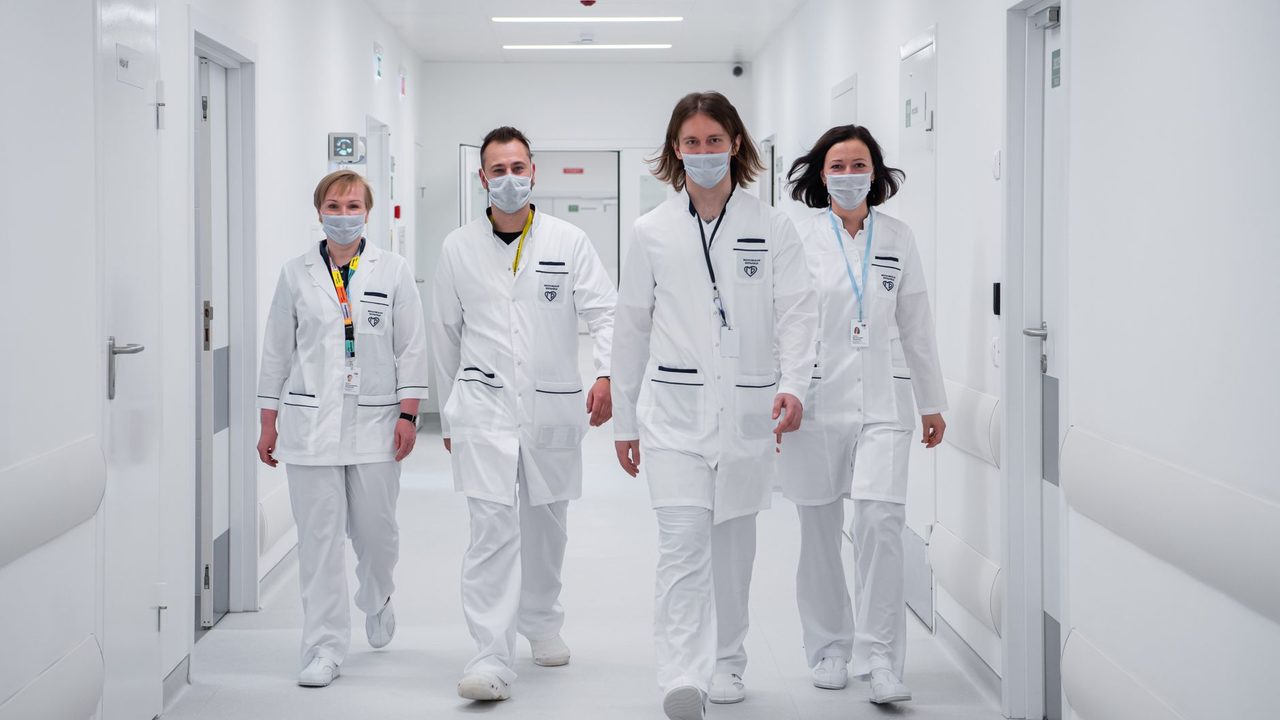
The Independent reported that the Royal Preston Hospital and Chorley and South Ribble Hospital in Lancashire now require coverings in their inpatient areas to protect staff and patients. The measures came into effect on Wednesday. Steve Canty, chief medical officer of the Lancashire Teaching Hospitals NHS Foundation Trust, said higher rates of respiratory illness put extra pressure on beds and on urgent and emergency care. The trust will keep monitoring the situation, he said.
What this means for you
The UKHSA says flu can be very serious for people of all ages who live with certain long-term health conditions, including chronic liver disease, chronic neurological disease and a weakened immune system. Dr Suzanna McDonald, the agency's national lead for the flu programme, said the vaccine helps protect people and could save lives. She advised anyone with a long-term condition who is unsure whether they are eligible to check with their GP.
Fiona Loud, policy director at Kidney Care UK, said people with stage 3-5 chronic kidney disease are 19 times more likely to die from flu than people without the condition. She said many are unaware of this and that booking an appointment can easily slip down a busy to-do list.
Symptoms to look for
The NHS website lists the main symptoms of flu, which can come on very quickly:
- a sudden high temperature
- an aching body
- feeling tired or exhausted
- a dry cough
- a sore throat
- a headache
- difficulty sleeping
- loss of appetite
Children can have similar symptoms but may also have earache, sore eyes, swollen glands and a lack of energy, the NHS says.
Recovery and when to seek help
People with flu are encouraged to rest, drink plenty of fluids and take paracetamol, and the Independent reported that ibuprofen is also suggested to ease aches and bring down a temperature. Dr Mohammad Bakhtiar of Medical Express Clinic advised simple meals and staying at home until recovery, because flu spreads easily and is most likely to be passed on in the first five days after infection, according to the NHS.
The NHS website advises an urgent GP appointment or a call to 111 for anyone aged 65 or over, pregnant or recently postnatal, or living with a long-term condition or weakened immune system, and for anyone worried about a baby's or child's symptoms. Dr Bakhtiar said people should contact a doctor if they have a persistent cough, shortness of breath, a severe headache, vomiting or diarrhoea, or symptoms that do not improve after two or three days or get worse.
Read next
Cold health alerts return to northern England after minus 7.2C night
UK Issues First Cold-Health Alerts as Temperatures Dip Below Freezing
Britain Flies Doctor With Ebola Home From Congo as Outbreak Passes 10,000 Cases
Around Prague, based on reporting by Mirror, The Independent