Energy price cap forecast to rise 26% in January: what households can do
USD 22,26
Popular
Energy bills for millions of homes are forecast to rise by 26% in January, according to the BBC and the Independent. The Independent reported that analysts at Cornwall Insight expect Ofgem's price cap to climb from £1,723 to £2,166 a year, which would be the third rise in a row and the highest level since 2023.
Experts quoted by both outlets say households can still take steps to limit the impact, from changing how they use heating to checking which government support they qualify for.
The key numbers behind the forecast
- £1,723: the current level of Ofgem's price cap, expressed as an annual bill for an average home, the Independent reported.
- £2,166: the level Cornwall Insight predicts the cap will reach from January.
- £443: the increase in the new year, according to the Independent. It also reported that the average monthly bill would rise to over £180.
- 26%: the size of the forecast rise, according to both the BBC and the Independent.
- £100: the one-off Household Energy Payment, announced at the recent Budget, for homes in council tax bands A to D.
- £150: the Warm Home Discount off electricity bills this winter for people on eligible means-tested benefits.
What is pushing prices up
The Independent said the forecast is driven by higher wholesale gas prices in recent months, as conflict in the Middle East continues to affect global supplies. It added that colder weather is starting to raise demand across Europe, pushing prices higher still.
The cap is not a limit on the total bill. As both outlets explained, it restricts the price per unit of energy and the daily standing charge, so homes that use more energy will pay more than the headline figure. The BBC noted that the unit price of gas in particular is set to rise sharply.
Why it matters for your bills
Because the cap applies to unit prices, what a household pays depends on how much it uses. The BBC said millions of people have already cut back during years of relatively high prices, and experts are urging a fresh look at habits.
Research foundation Nesta suggests turning down the flow temperature on a combi boiler, switching off the pre-heat function where there is one, lowering the thermostat by one degree (with 18C the recommended minimum), closing curtains at night and turning radiator valves down outside the living room. It also suggests turning the heating off before April.
Heating specialist Kevin Pennington told the Independent that leaving heating on low all day is "completely wrong", because the boiler keeps burning gas to replace heat escaping from an empty home. He also warned that dust on radiators and drying wet clothes on them make heating less efficient.
On appliances, the Independent cited figures from companies' own research: Updraft's founder Aseem Munshi said heating only the water needed in the kettle can save as much as £72 a year. Utilita's research found that lowering the tap temperature to 50C and not running water continuously while washing up can save up to £86 a year. The same study found that using an air fryer or microwave instead of an oven can save up to £83 a year.
Payment method and fixed deals
According to Ofgem, quoted by the BBC, about five million people still pay their bill when it arrives every three months. Paying by direct debit is typically £138 a year cheaper than paying by standard credit, the BBC reported. Customers on prepayment meters now pay slightly less than the capped direct debit variable rate, having previously paid more.
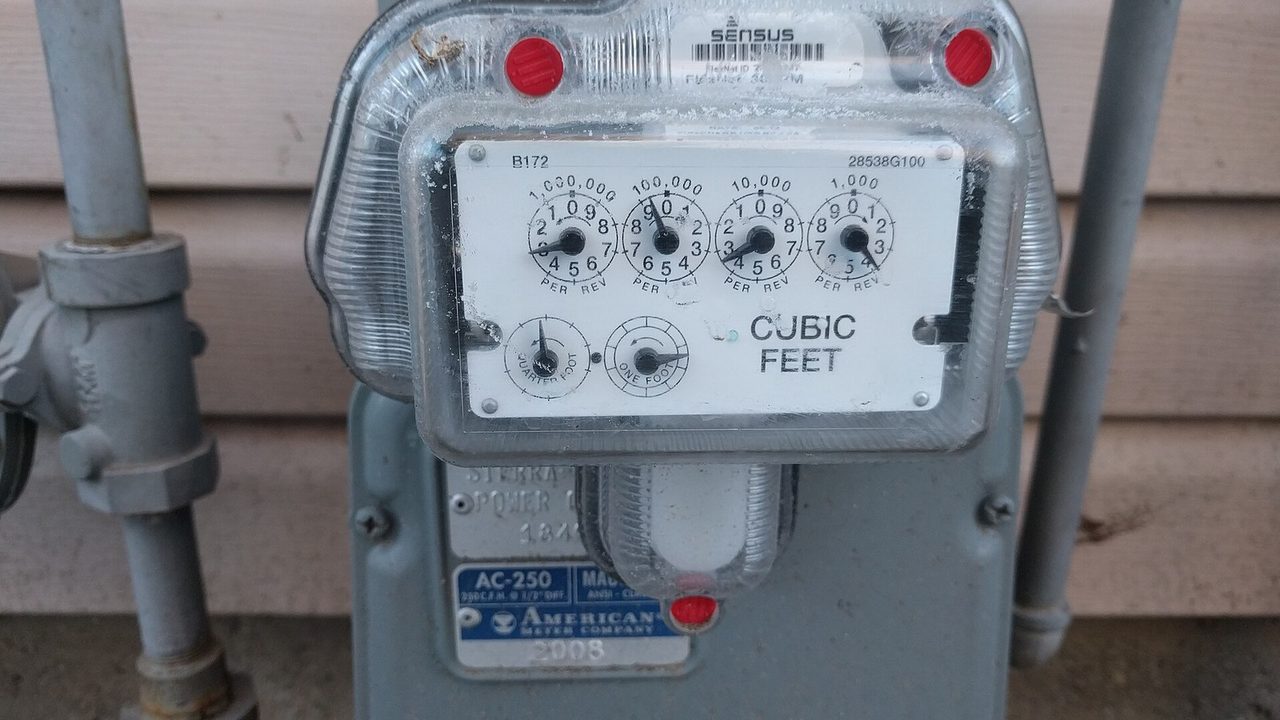
Both outlets say that submitting regular meter readings, or having a smart meter, helps keep monthly payments accurate. The Independent said an up-to-date reading could lead to a refund if the estimate was too high.
On fixed tariffs, the BBC said it is hard to judge whether a deal is good value at the moment. Some fixes sit below the next forecast cap, but a long-term fix could look poor value if prices fall sharply. Which? advises checking exit fees, and MoneySavingExpert advises comparing the whole market rather than only your own supplier's offers. The Independent reported that MoneySavingExpert highlights two Fuse Energy deals, one for two years and one for 16 months, both priced at around 2 per cent above the current cap.
What support is available
The £100 payment goes to homes in council tax bands A to D in England, with equivalent help expected in Scotland and Wales, the BBC reported. The Warm Home Discount is applied automatically by suppliers, except in Scotland, where customers must contact their energy company to ask for it, according to the BBC. The Independent said around six million households are expected to receive it, and that the main bill payer must receive an eligible means-tested benefit such as Universal Credit.
The BBC also listed Cold Weather Payments, the winter fuel payment for most pensioners, supplier hardship grants and the Fuel Direct Scheme for repaying energy debt. It said some low-income households may qualify for insulation grants, and urged people to watch for scams posing as official schemes. Advice is available from Ofgem, Citizens Advice and energy suppliers.
Read next
October Prices Rise 0.4%, Beating Forecasts and Raising Odds of a Fed Hike
What the UK Budget Means for Energy Bills, Savings, Pay and Pensions
UK Bonfire Night Forecast: Dry but Chilly, Much Colder Than 2025
Around Prague, based on reporting by BBC News, The Independent
Cover photo: Tim36272 / Wikimedia Commons, CC BY-SA 3.0, cropped