86-Year-Old Sailor and His Dog Rescued 460 Miles Off San Diego After Weeks Adrift
USD 21,71
Popular
An 86-year-old sailor and his dog are safe after a multi-stage rescue in the Pacific Ocean, roughly 460 miles southwest of San Diego. According to Istituto Impariamo, an emergency beacon registered to his sailboat set off the search that ended with a helicopter hoist and a hospital check.
The man had set out alone on a roughly 5,000-mile voyage meant to end in American Samoa. The report describes him as lost at sea for more than two months. He was found weak but without major injuries.
How the voyage went silent
The trip began in Astoria, Oregon, aboard a sailboat named Willow Wind. The destination was Pago Pago in the South Pacific. According to the report, neither family nor maritime authorities heard a transmission from the vessel after Aug. 20.
The sailor was formally reported overdue on Saturday, Oct. 24. The outlet says search crews had little information to narrow down the huge area between the Pacific Northwest and the South Pacific during the next three days.
The beacon alert and the search
The search changed on Tuesday, Oct. 27, when an emergency transmitter registered to the Willow Wind sent an alert over satellite networks. The Coast Guard Southwest District then launched a coordinated search, according to the report.
- A C-27 Spartan aircraft from Coast Guard Air Station Sacramento was sent for medium-range surveillance.
- An HC-130 Hercules was dispatched for long-range search and sustained air support.
- The Coast Guard Cutter Robert Ward was diverted toward the coordinates.
That evening, the Spartan crew spotted the Willow Wind drifting about 460 miles southwest of San Diego. The report says the boat was badly damaged, with its sails shredded.
A merchant ship, a weather window and a hoist
The commercial car carrier Grand Orion answered the emergency broadcast and reached the scene at about 3:20 a.m. on Wednesday, Oct. 28. Large swells made boarding impossible at first, and the ship stood by through the morning.
At 5:36 p.m., the Grand Orion crew used a brief break in the weather to bring the sailor and his dog aboard. The damaged Willow Wind was left adrift.
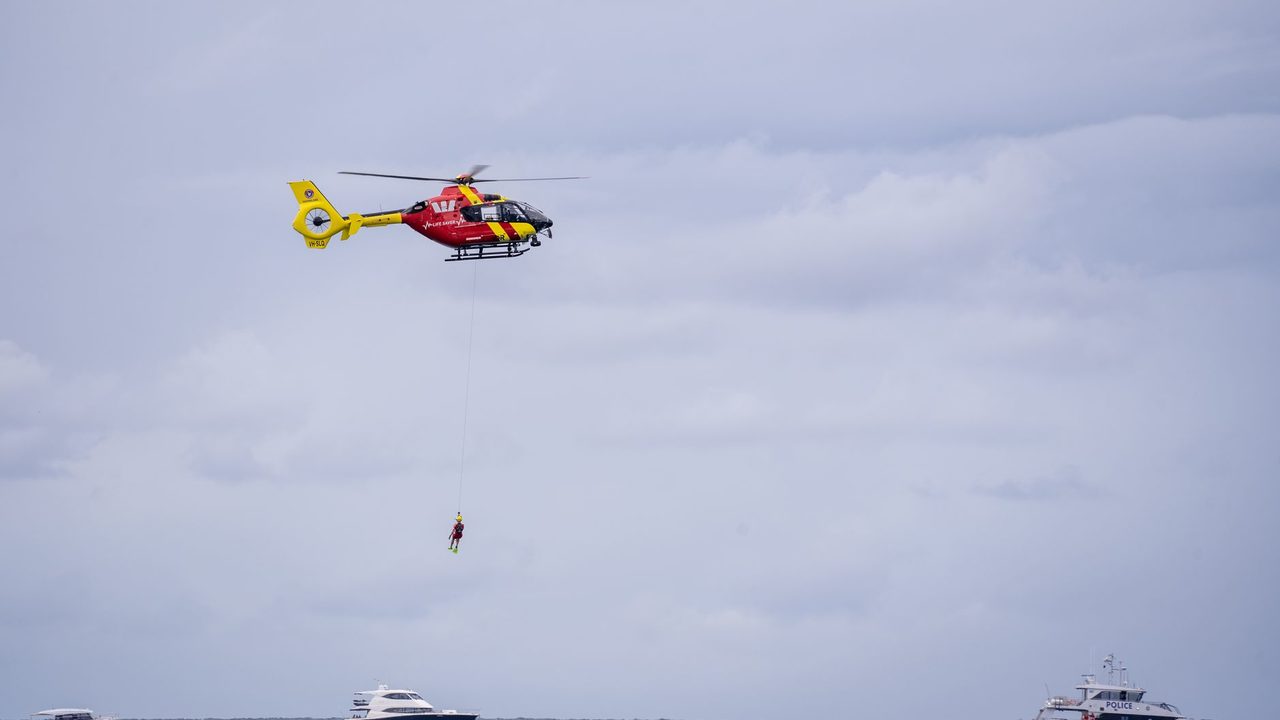
The next morning, the carrier was about 170 miles west of Ventura, California, when a Coast Guard Air Station San Diego MH-60 Jayhawk helicopter met it. The helicopter crew hoisted both the man and the dog from the deck and flew to Coast Guard Sector San Diego. The sailor was then taken to Scripps Mercy Hospital. Medical personnel found that he was weak and had trouble walking but had no major injuries, according to the report.
Why it matters for people who go to sea
The rescue turned on one piece of equipment. Without a working emergency transmitter, the report suggests, searchers would have had only a vast stretch of ocean to cover, as they did in the first days after the sailor was reported overdue.
The outlet also notes that a marine VHF radio typically reaches only about 20 miles, which leaves long-distance sailors out of contact unless they carry satellite-based gear. It says authorities used the case to stress two points: carry emergency communication equipment, and file a float plan so someone ashore knows where you are headed.
The case also shows how a rescue can pass through several hands. An aircraft located the boat, a commercial ship took the sailor aboard in rough seas, and a Coast Guard helicopter completed the transfer to shore.
What is not known
The report does not name the sailor or say how the Willow Wind came to be disabled. It also does not say why no transmissions were received after Aug. 20, or who triggered the emergency beacon. The sailor's condition after his hospital evaluation was not described beyond the initial assessment.
Around Prague, based on reporting by Istituto Impariamo