Iran Shows Off Underground Missile Base and Launcher That Fires Two Missiles at Once
USD 22,26
Popular
Iran has put a new dual-missile launcher and an underground missile base on display, sending a message that it can still strike if its war with the United States flares up again. Iranian state television aired the footage, according to The Independent and Al Jazeera.
The showcase came as pressure on Tehran grows. A U.S. naval blockade has disrupted Iranian oil exports, and tankers were attacked in and near the Strait of Hormuz on Saturday.
What Iran showed
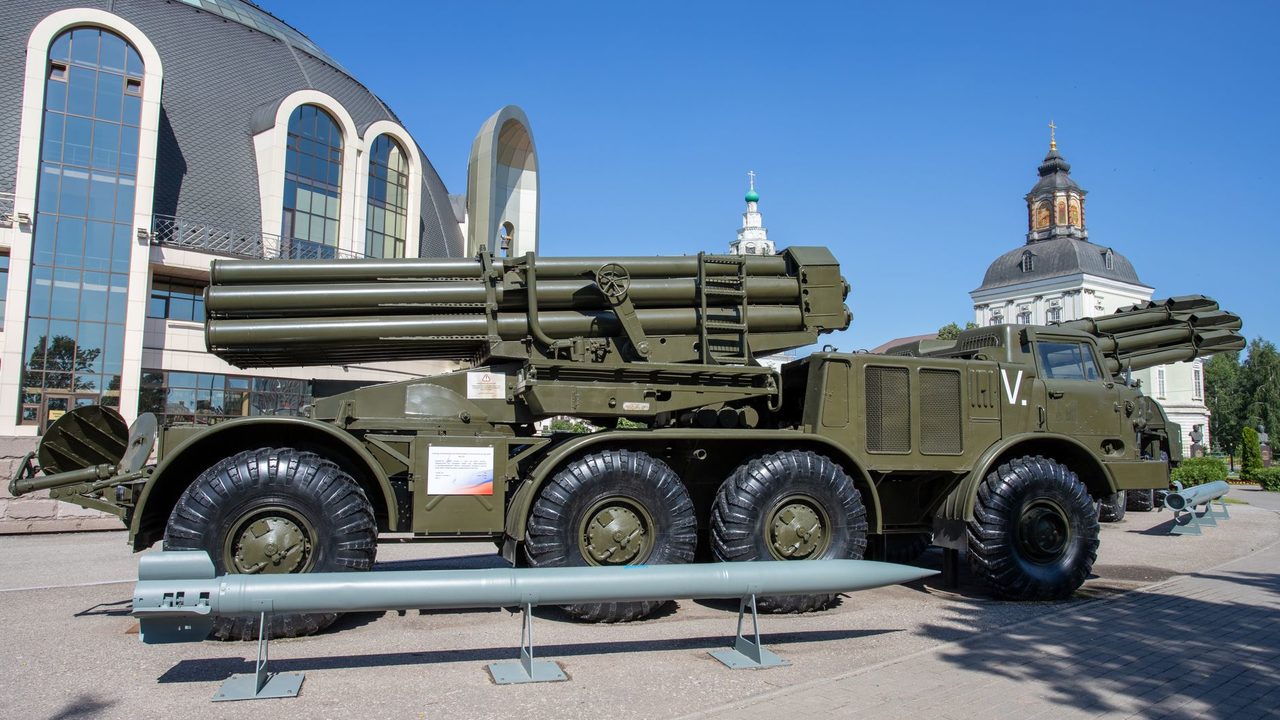
The Revolutionary Guard unveiled a launcher it said can fire two liquid-fuelled missiles at once, state media reported. The Independent said it appears to improve on an earlier dual launcher that fired two solid-fuel missiles. Liquid fuel is more efficient and lets operators adjust a missile's speed and trajectory.
Al Jazeera, citing state broadcaster IRIB, said liquid-fuelled missiles launch vertically and offer speed control that can help beat air defenses. State media also said the latest Iranian missiles have better range, accuracy and guidance that does not depend on the U.S. Global Positioning System.
Brig. Gen. Seyyed Majid Mousavi, commander of the Guard's Aerospace Force, said Iran's “capabilities have expanded significantly.” He said the force had added surprises and highly effective assets to its combat structure.
The underground base
The footage showed what Iranian media called an underground missile city. IRIB's broadcast on Saturday showed kilometres of tunnels and hundreds of missiles and launchers, including double launchers, Al Jazeera reported. The site's location was not revealed, and Al Jazeera's correspondent in Tehran said it was unclear when the footage was filmed.
Maj. Gen. Ahmad Vahidi, commander of the Revolutionary Guard, toured the facility on Saturday, according to Al Jazeera. That followed an announcement on Nov. 10 of a new underground facility by the Guard's aerospace force, the semiofficial Tasnim News Agency said. Tasnim reported that Iran is building underground complexes that can keep making and storing weapons even under heavy bombardment. The Guard has said it moved missile and drone production lines underground.
Why Iran is doing this now
The Independent said the broadcast aimed to promote Iran's missile capabilities and counter earlier U.S. claims to have destroyed its missile program, amid fears that the war could heat up again. Al Jazeera's Resul Serdar called it part of Iranian propaganda but also an effort to restore deterrence, saying Iran wants to show it has enough missiles and launchers and would use them if war resumed.
Analysts quoted by Al Jazeera offered further reasons. Rami Khouri of the American University of Beirut said underground sites let Iran keep spare parts, raw materials and chemicals as well as finished weapons, and that Iran has planned for this for decades. Rob Geist Pinfold of King's College London said Iran feels emboldened by U.S. midterm results, in which Republicans suffered sweeping losses and Democrats won both chambers of Congress. He said the rising cost of living from the war weighed on voters, and that Trump “looks more like the boy who cried wolf.” Pinfold also said Iran may feel it must escalate because it is cornered by the blockade and its economy is in recession.
Tankers hit near the Strait of Hormuz
At least three oil tankers were attacked in or near the strait on Saturday in what appeared to be the latest Iranian strikes on shipping, The Independent reported. The UK Maritime Trade Operations Center said two tankers were struck by projectiles early Saturday as they left the Persian Gulf, one in the stern and one in the engine room, with no casualties reported. Iran did not immediately comment on that report.
The Iranian Navy said a tanker hit a naval mine east of the strait before noon and caught fire. State media said Iran's military carried out its most intense and varied operations yet in the strait overnight to stop vessels and foil U.S. efforts to escort shipping through it. The Independent said Iranian forces have been attacking shipping to push up global energy prices and pressure the United States.
What it means
The strait is a strategic chokepoint for energy shipments, so attacks there bear on global energy prices. The Independent described the campaign as aimed at raising those prices. Pinfold said very little oil, if any, is coming out of Iran at the moment because of the U.S. blockade of its ports. The unveiling shows both sides trading pressure rather than a clear path to calm, and the reports describe a conflict that could escalate again.
Around Prague, based on reporting by The Independent, Al Jazeera